
Pêcher le sandre pour débutants : le guide pour réussir vos premières prises
Le sandre est l’un des carnassiers les plus passionnants d’Europe à rechercher aux leurres. Les leurres souples sont particulièrement populaires, car ils permettent une présentation précise près du fond. Le sandre chasse souvent dans les faibles luminosités, les eaux teintées, les zones profondes et autour des structures. Contrairement au brochet, il n’attaque pas toujours le leurre avec une agressivité évidente. Il peut suivre, observer la présentation puis aspirer le leurre avec précision. C’est pourquoi la détection des touches, le contact avec le fond et le contrôle du leurre sont essentiels pour réussir la pêche du sandre.
 Dans ce guide, nous expliquons où trouver le sandre, quels leurres utiliser, comment les animer et comment adapter votre approche selon les saisons. Vous cherchez des leurres adaptés au sandre ? Découvrez notre sélection complète ici : leurres sandre.
Où trouver le sandre ?
Le sandre aime les structures, les cassures et les zones où la luminosité est réduite. Ses yeux sont parfaitement adaptés aux eaux troubles et aux conditions sombres. Il devient donc souvent plus actif lorsque la visibilité baisse et que les poissons fourrage quittent les zones ouvertes pour se rapprocher des bordures, obstacles et secteurs abrités.
Les meilleurs postes à prospecter sont les cassures, chenaux, tombants, bancs de sable, ponts, ports, palplanches, piles, enrochements et veines de courant. En rivière, les sandres se tiennent souvent juste à l’extérieur du courant le plus fort, prêts à intercepter des poissons fourrage désorientés ou affaiblis.
La nature du fond est également très importante. Les fonds durs comme le sable, l’argile, le gravier ou la pierre produisent généralement plus de sandres qu’un fond mou et vaseux. Si vous trouvez un fond dur proche d’une zone plus profonde, de poissons fourrage ou d’une structure, vous êtes sur un secteur très intéressant.
Une règle simple : en plein soleil, les sandres descendent souvent plus profond ou se collent davantage aux structures. Le vent, les nuages, l’aube, le crépuscule et la nuit peuvent au contraire les faire monter sur des zones moins profondes.
Les meilleurs leurres pour le sandre
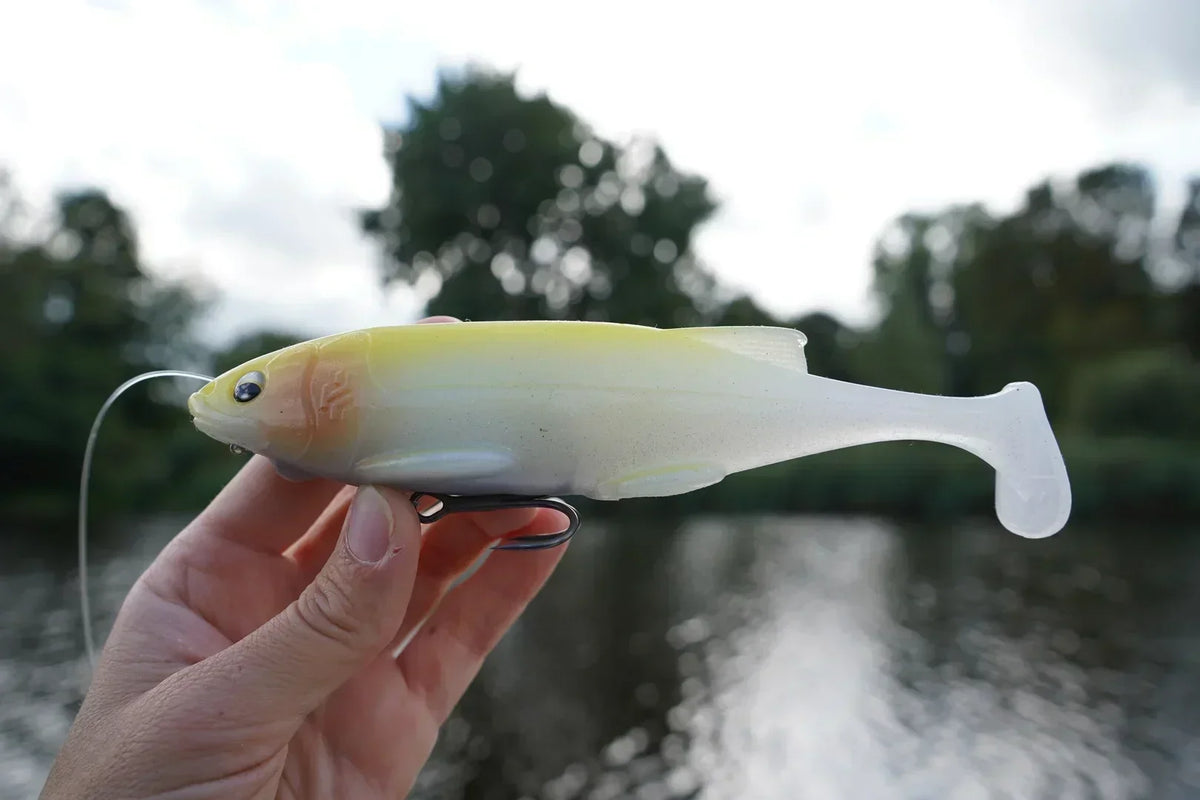
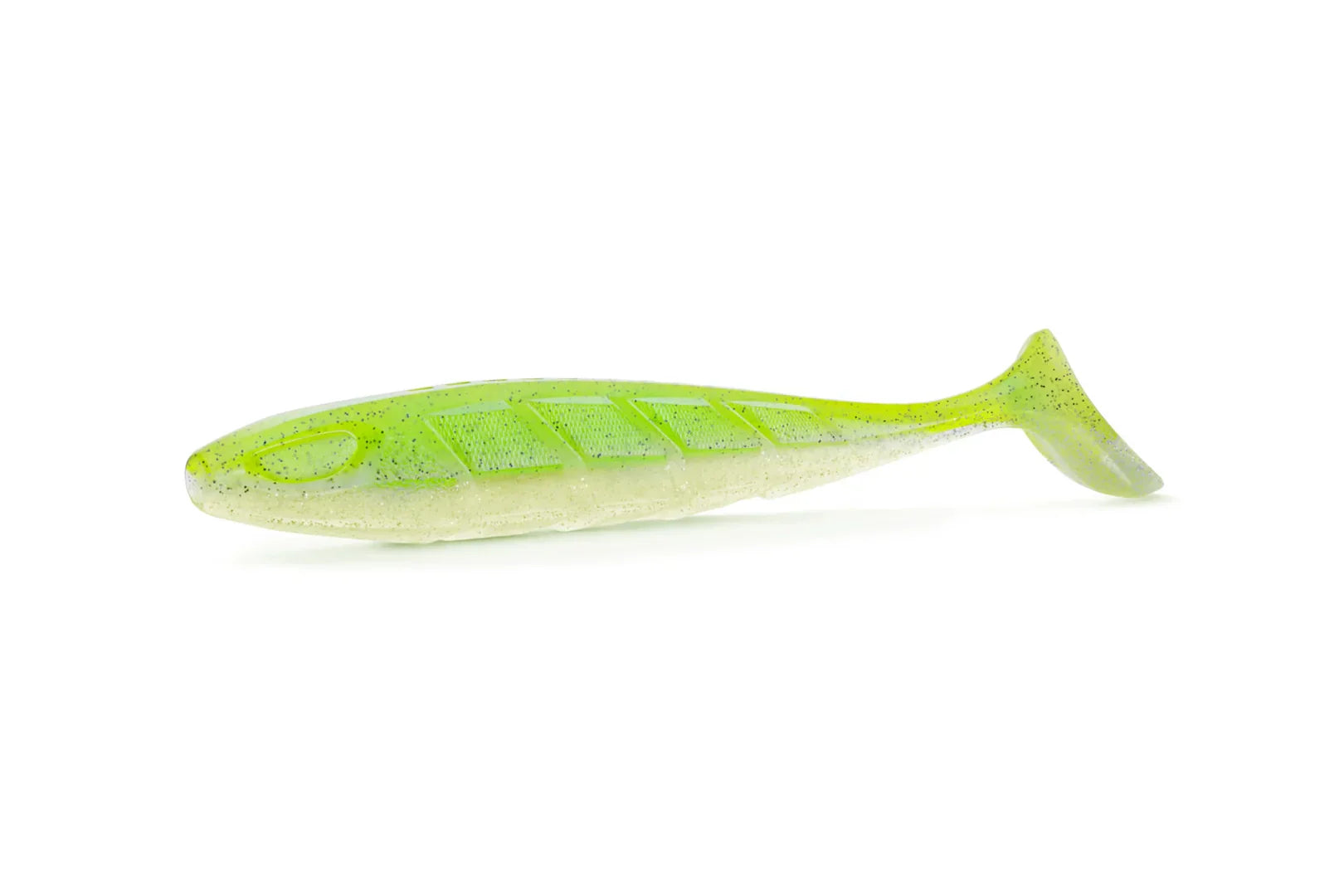
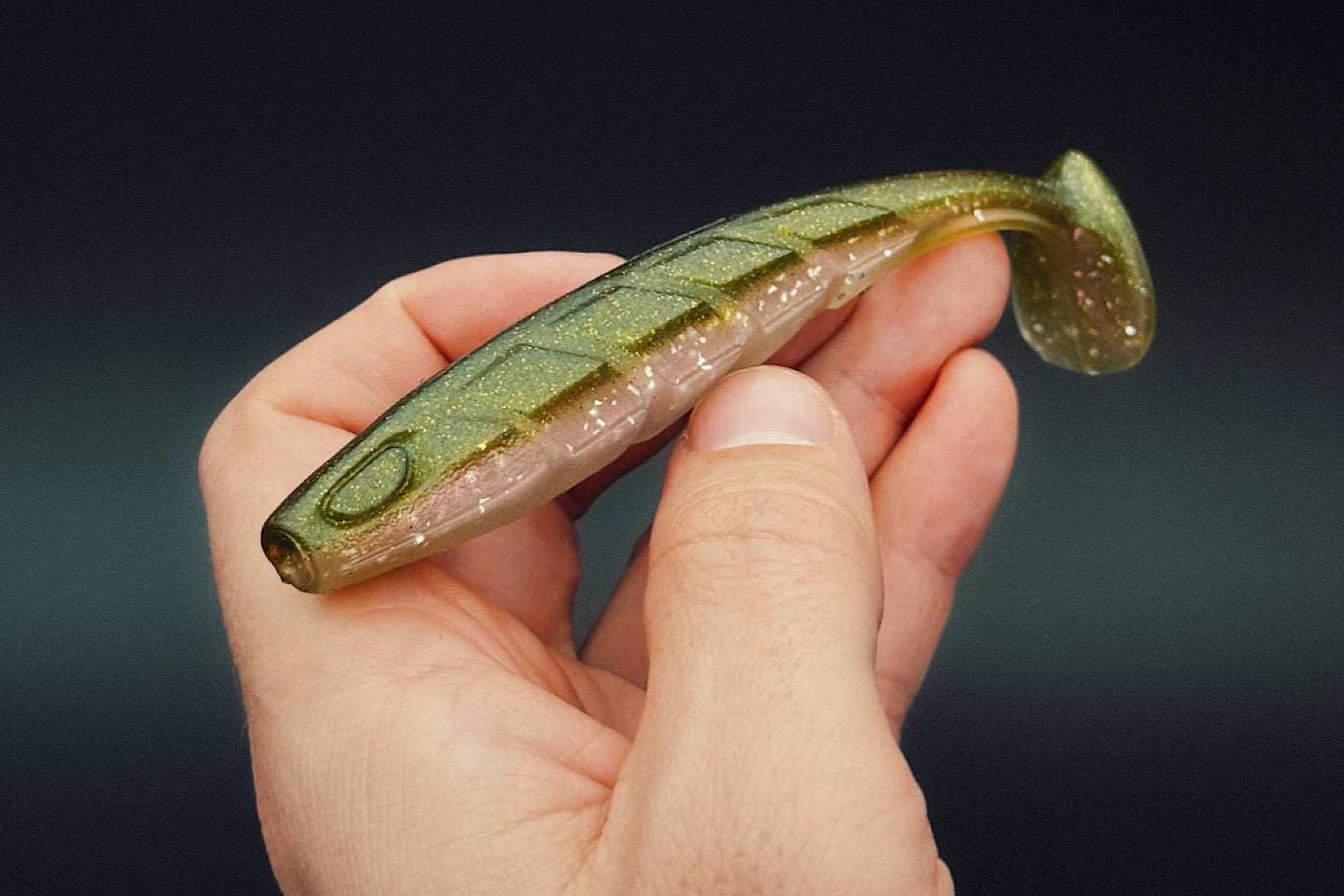
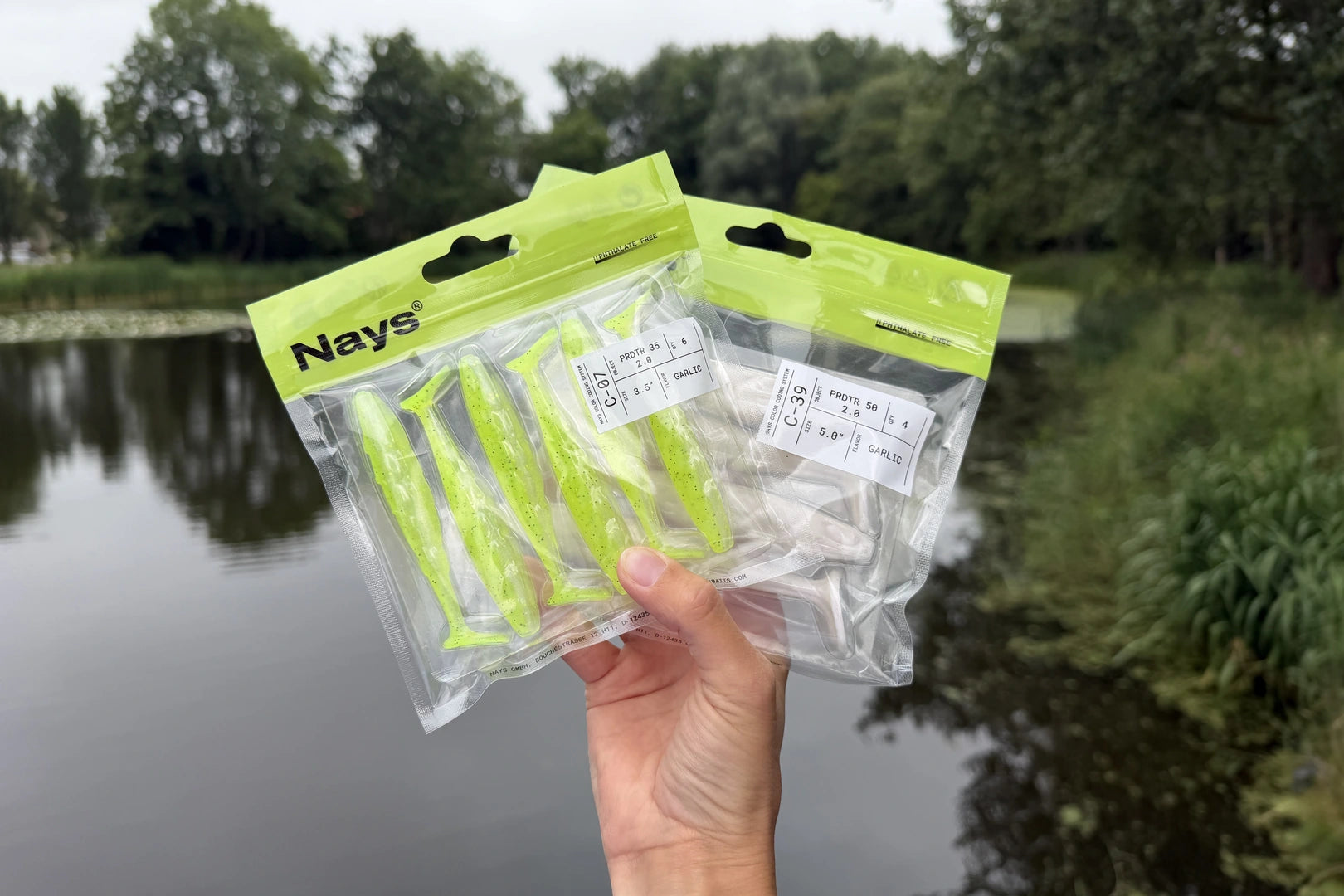
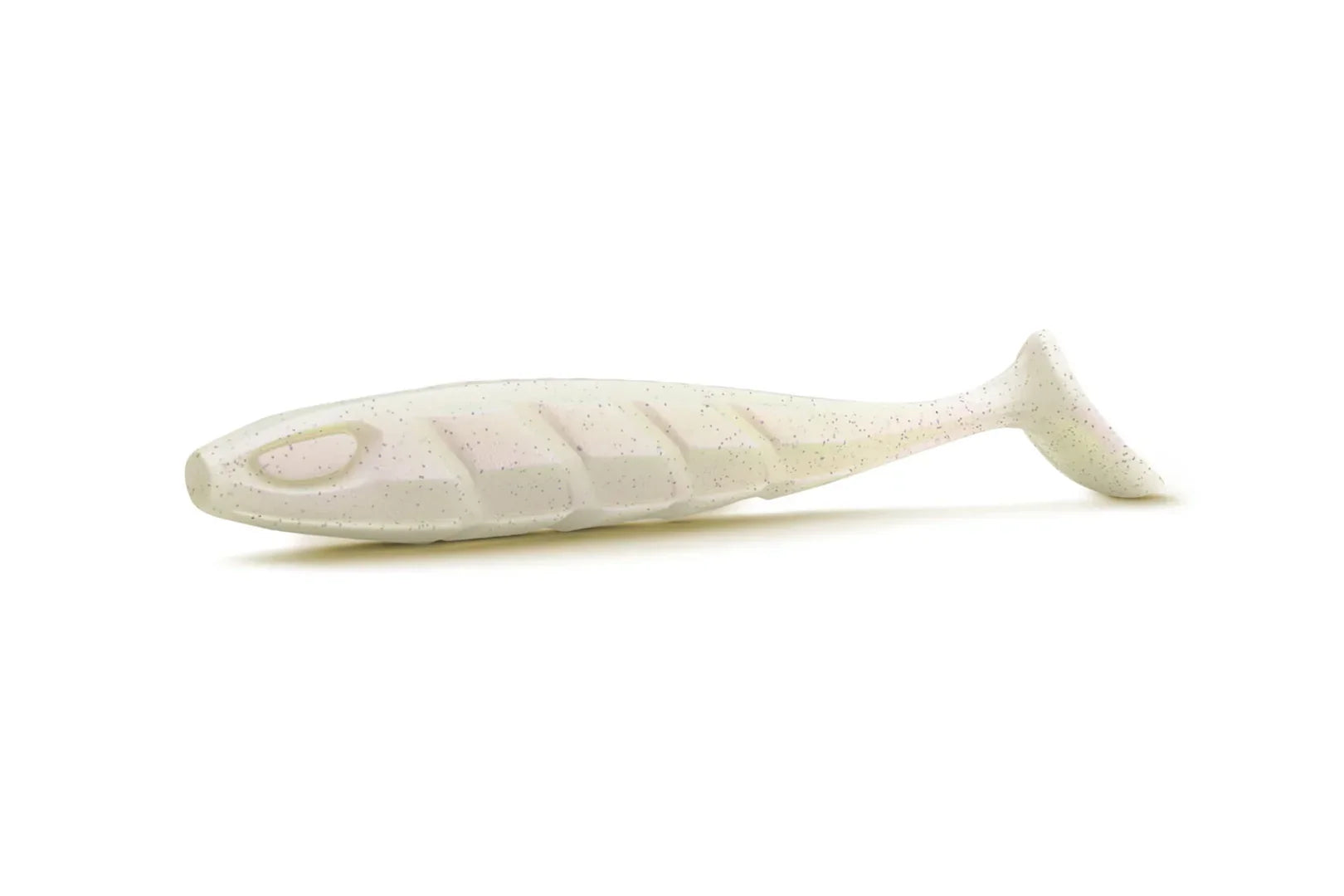
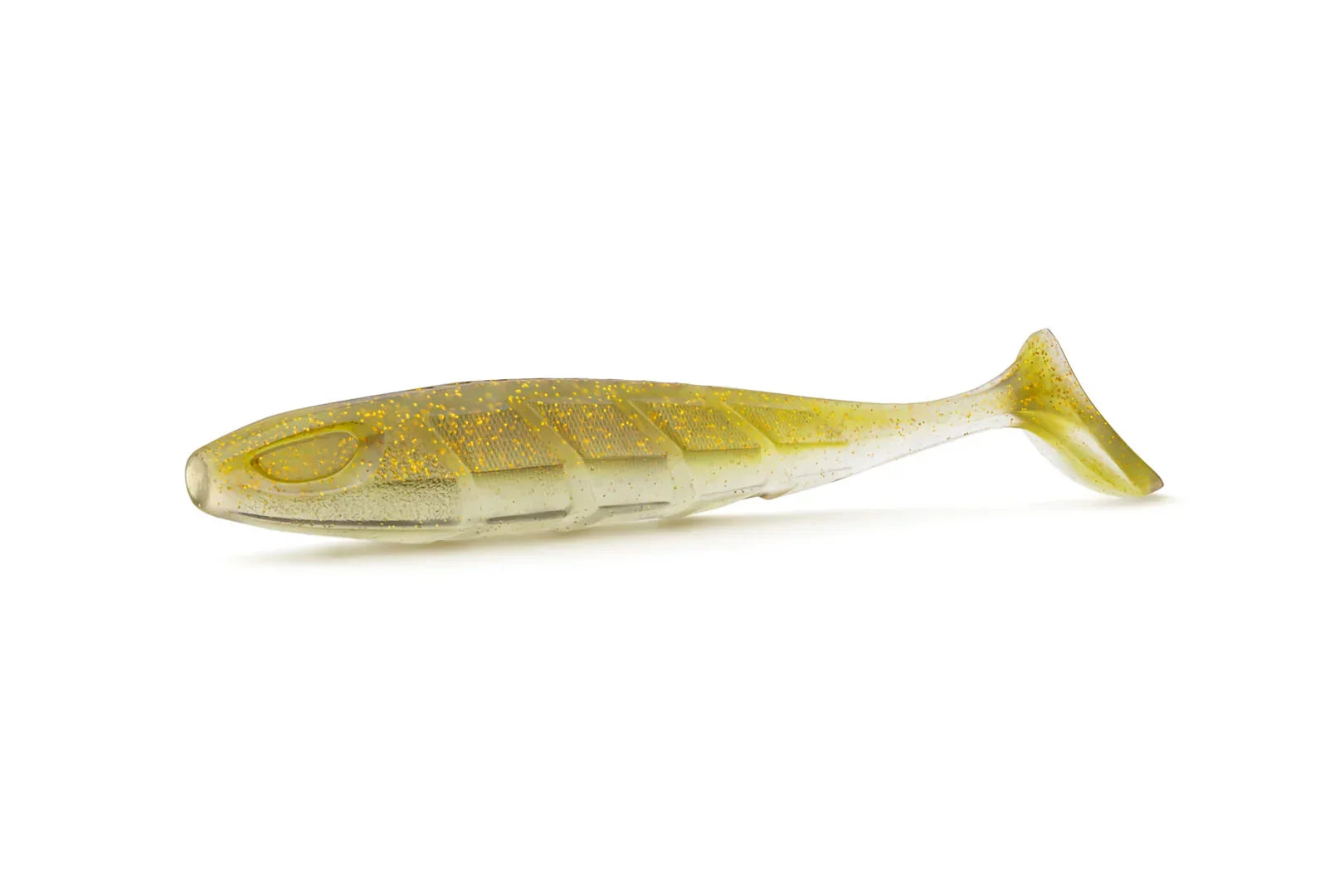
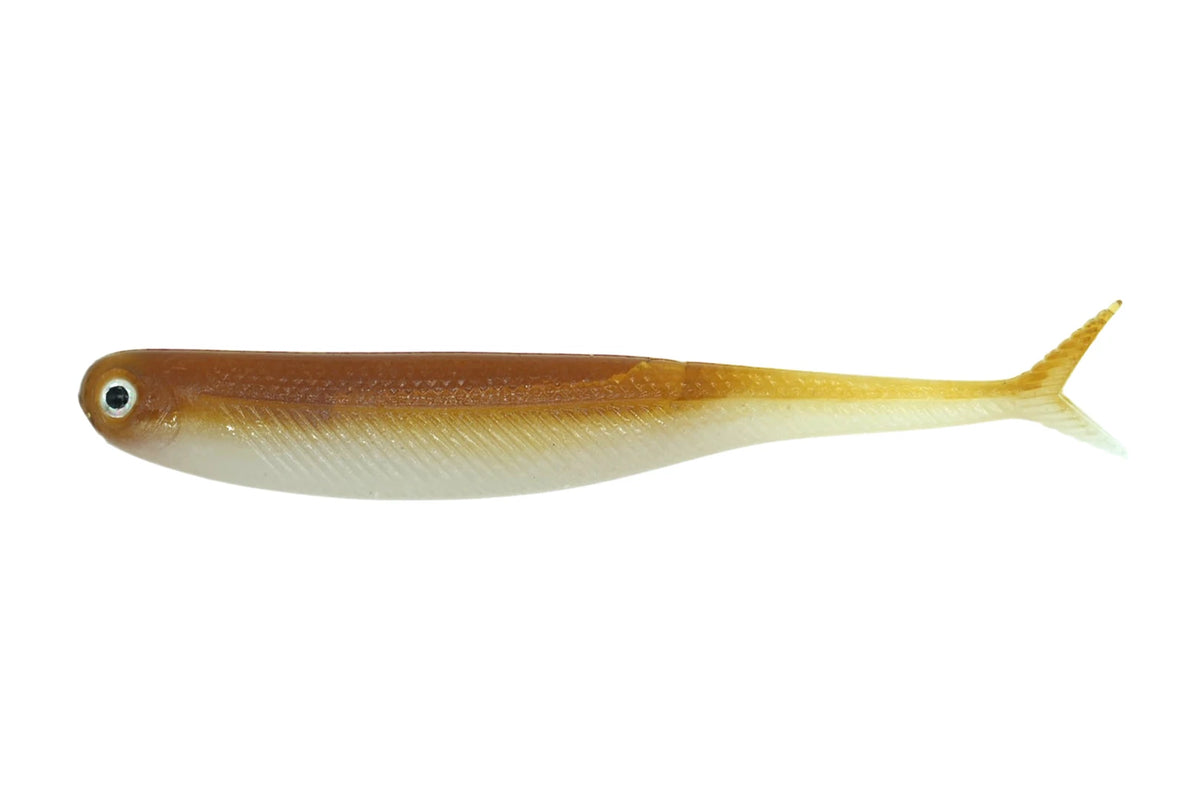
Les leurres souples montés sur tête plombée sont la technique la plus utilisée en Europe pour pêcher le sandre. Les shads fins, pintails et paddle tails discrets de 7,5 à 12,5 cm imitent parfaitement les petits poissons fourrage dont se nourrit le sandre. Un paddle tail compact comme le Nays PRDTR 2.0 associé à une tête plombée BKK est un très bon exemple : une action rolling subtile, une nage serrée de la caudale et un profil naturel de poisson fourrage parfaitement adapté au sandre.

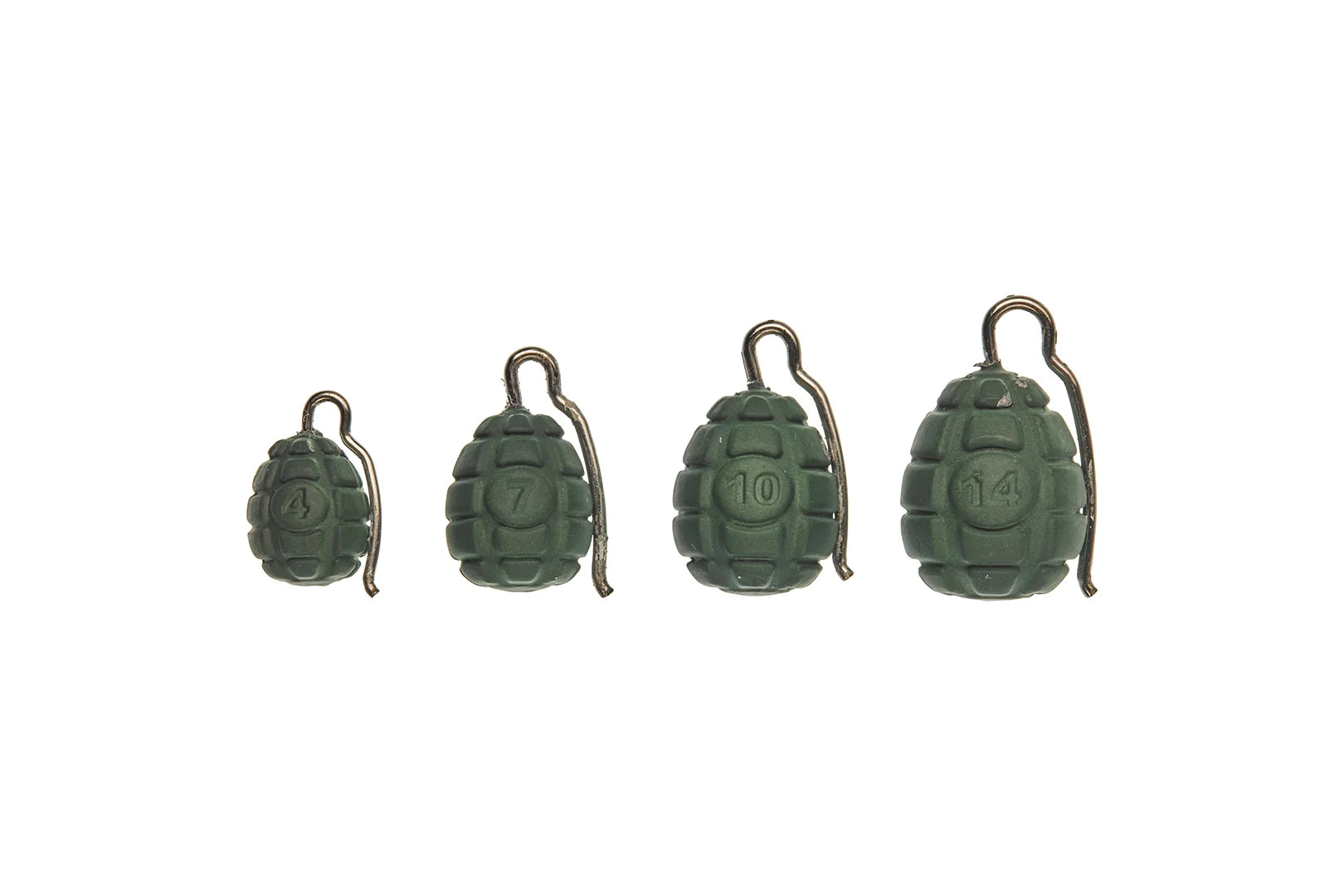
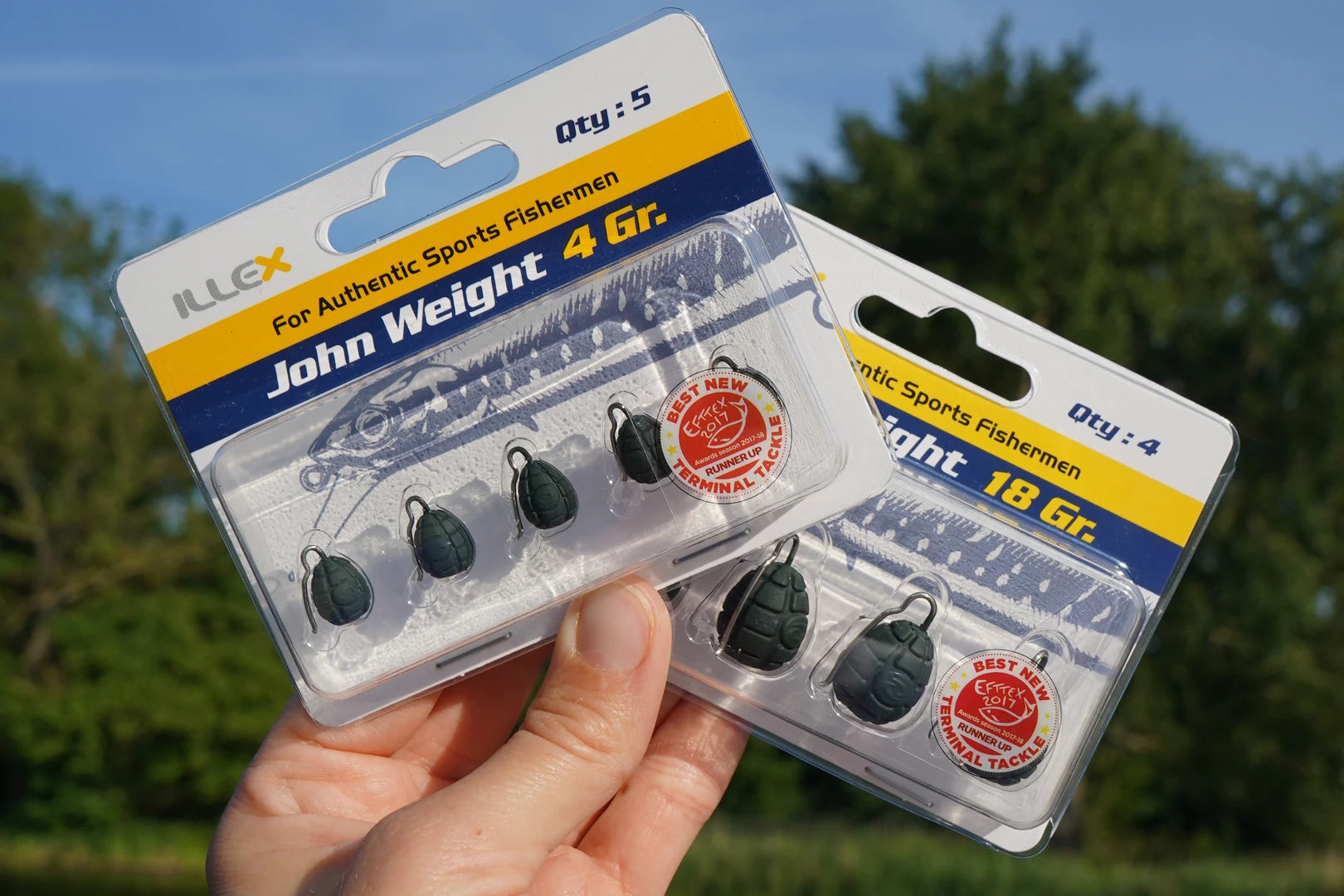
Le poids de votre tête plombée doit être adapté à la profondeur, au courant et à l’angle de votre ligne. Utilisez assez de poids pour garder le contact avec le fond, mais évitez de pêcher trop lourd. Une tête trop lourde rend la présentation moins naturelle et réduit souvent la durée de la phase de descente. Or, beaucoup de touches surviennent précisément pendant cette descente. Une tête plombée de qualité comme la BKK Hyperlatch Round Jig aide également à maintenir le leurre souple bien en place, même après de nombreux lancers et touches.
Sur les eaux très pêchées, les leurres finesse naturels peuvent vraiment faire la différence. Les petits leurres souples comme le Nays NTRL sont parfaits lorsque les sandres suivent le leurre mais refusent les plus grosses présentations. En eau claire, par temps froid ou sur des spots urbains soumis à une forte pression de pêche, une présentation subtile peut être décisive.

Le Toppies Skeletonius n’est pas seulement un excellent leurre souple pour le sandre, c’est aussi une très bonne option pour la perche. Nous avons nous-mêmes capturé de nombreux sandres avec ce leurre, et il a clairement gagné sa place dans notre boîte. Grâce à son profil fin et sa présentation naturelle, le Skeletonius est idéal pour pêcher au ras du fond, longer les cassures ou prospecter les ports, canaux et autres postes classiques à carnassiers. Un leurre souple que nous recommandons clairement aux pêcheurs qui recherchent une valeur sûre pour le sandre et la perche.

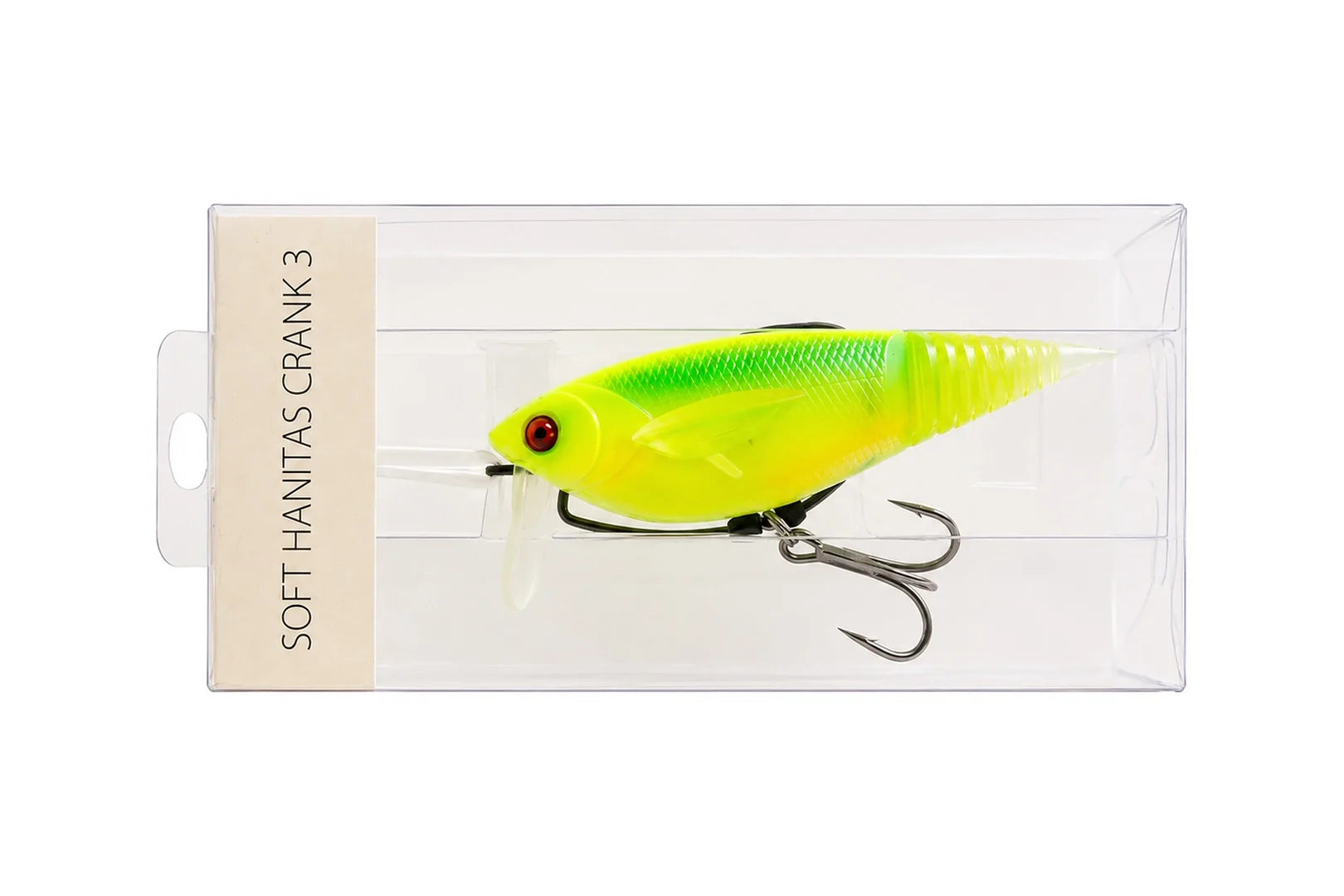
Les leurres durs peuvent également être très efficaces pour pêcher le sandre en faible profondeur. Au printemps et en automne, lorsque les sandres chassent les poissons fourrage dans 1 à 3 mètres d’eau, les jerkbaits fins, twitchbaits et crankbaits peu plongeants peuvent très bien fonctionner. Les enrochements, plateaux peu profonds, bordures de ports et rives fréquentées par les poissons fourrage sont alors des zones à ne pas négliger.
Comment pêcher le sandre aux leurres ?
La compétence la plus importante pour pêcher le sandre est de rester en contact direct avec votre leurre. Certaines touches sont franches, mais beaucoup sont courtes, discrètes et faciles à manquer. Une touche de sandre peut se traduire par un petit “toc” net, une ligne qui se détend soudainement ou simplement une sensation de poids supplémentaire lorsque vous levez la canne.
La pêche au jig est la méthode classique. Lancez, laissez le leurre descendre jusqu’au fond, puis ramenez-le lentement avec de petits bonds ou une récupération régulière. Une ou deux tours de manivelle, une courte pause, puis laissez le shad redescendre sous contrôle avec une ligne semi-tendue. La plupart des touches arrivent pendant la descente, alors surveillez bien votre tresse et soyez prêt à ferrer rapidement.
La pêche verticale est extrêmement efficace depuis un bateau. Laissez descendre le leurre directement sous la coque, restez proche du fond et animez avec de petites impulsions du poignet. Cette technique fonctionne particulièrement bien lorsque les sandres sont regroupés en eau plus profonde ou collés à une structure. Avez-vous déjà essayé la pêche pélagique du sandre ? Découvrez ici notre sélection sandre !
Le slow rolling est une autre excellente approche. Au lieu de faire bondir le shad sur le fond, vous le ramenez lentement juste au-dessus. Cette technique peut être très efficace la nuit, en eau froide ou lorsque les sandres sont actifs mais ne veulent pas poursuivre une présentation trop rapide.
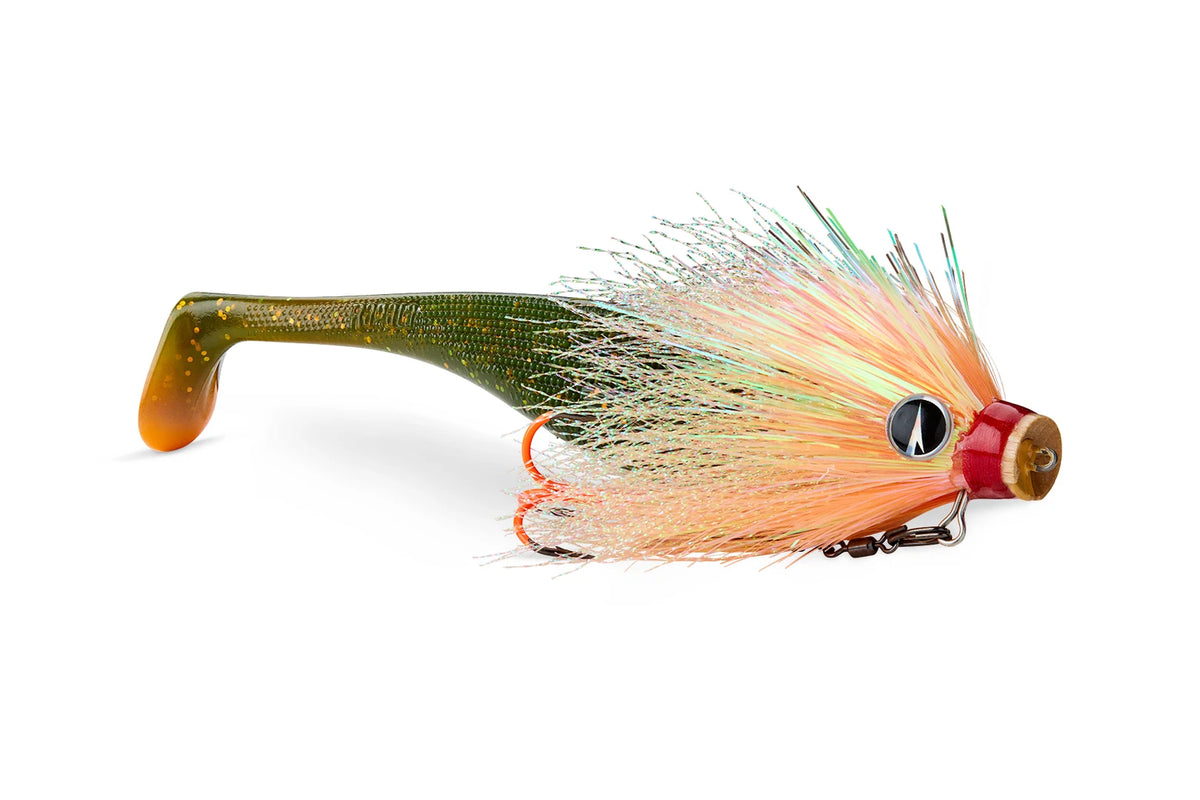
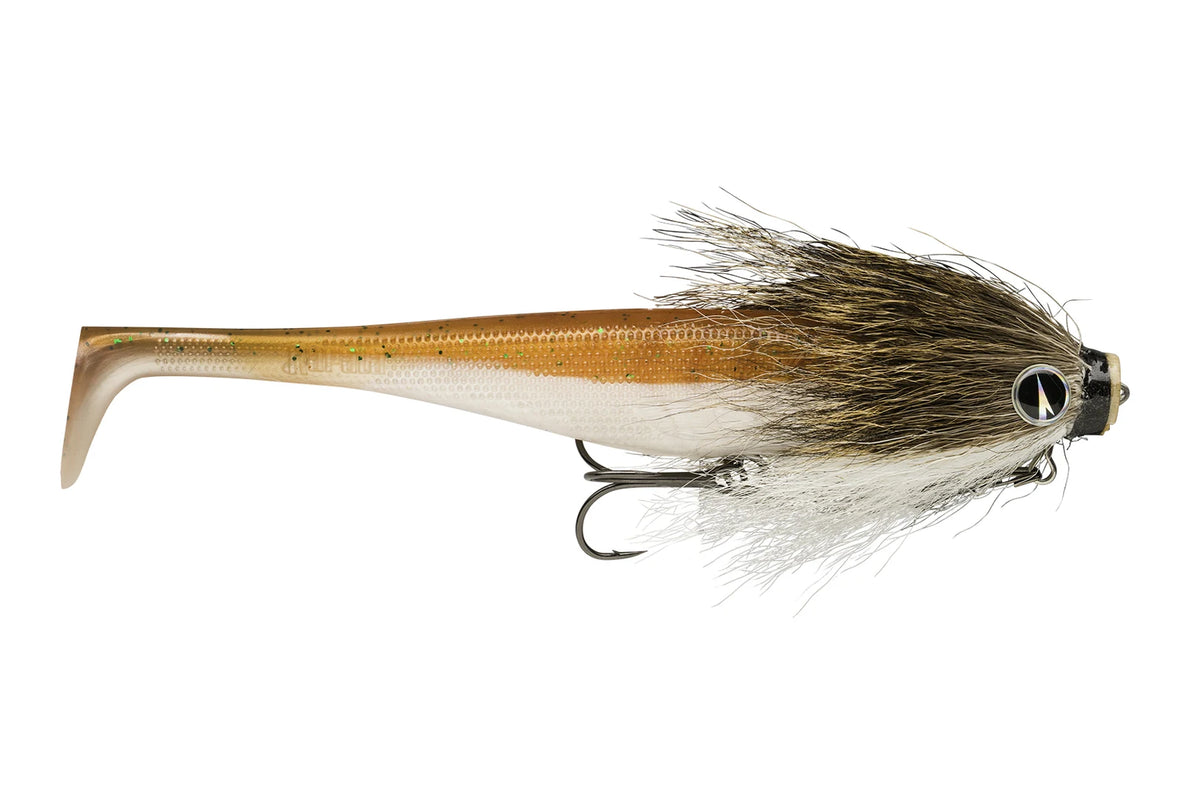
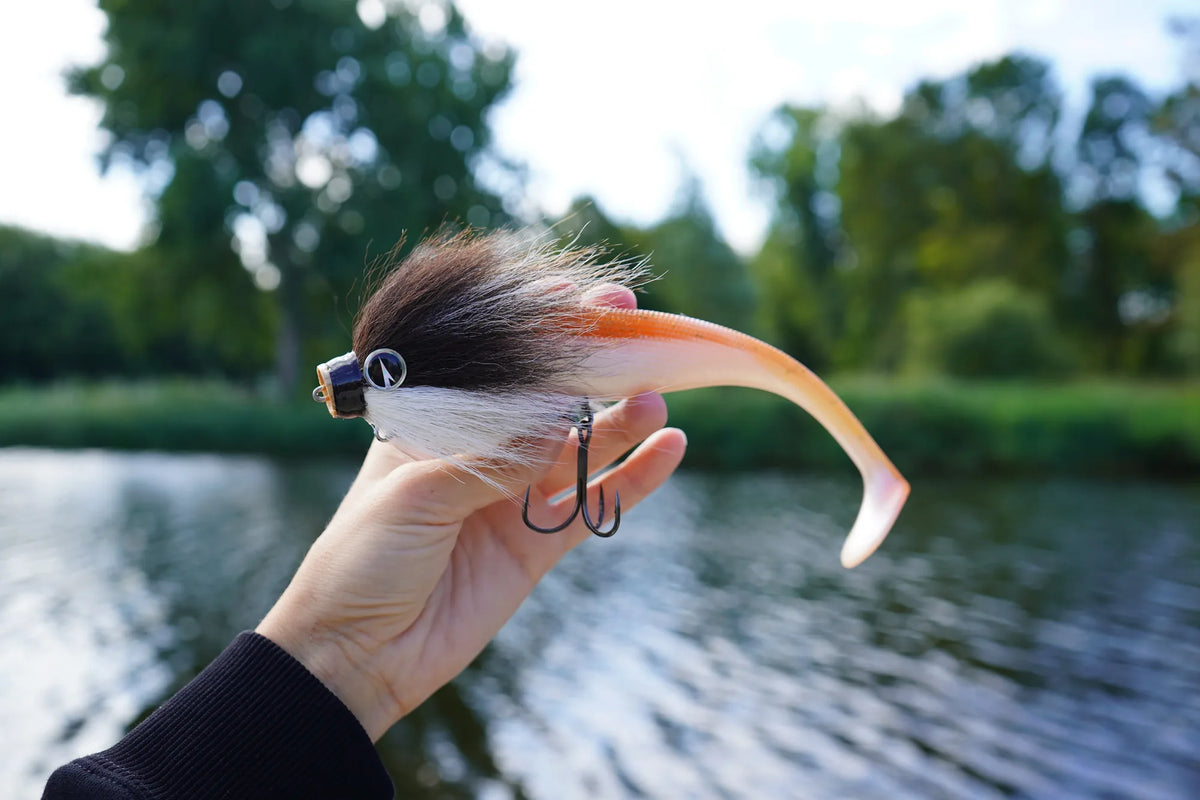
La pêche de nuit est également l’une des méthodes les plus efficaces pour capturer le sandre. C’est particulièrement vrai lorsqu’il monte en bordure pour chasser les poissons fourrage le long des rives, ports, ponts et enrochements. La faible luminosité donne souvent plus de confiance au sandre pour se nourrir, ce qui fait du soir et de la nuit des moments très intéressants pour pêcher aux leurres. Pour cette approche, notre sélection night zander avec FRAPP Lures est un excellent choix : des présentations subtiles et naturelles pour les récupérations lentes, les zones peu profondes et les touches franches du soir et de la nuit.
Pêcher le sandre au fil des saisons
Au printemps, après la période de fermeture, les sandres récupèrent de la reproduction et se nourrissent souvent dans des zones moins profondes. Les petits leurres, les animations lentes et les coloris naturels peuvent alors être très efficaces.
En été, les sandres se tiennent souvent plus profondément en pleine journée, surtout lorsque le soleil est fort. Autour de l’aube, du crépuscule et pendant la nuit, ils peuvent monter moins profond pour chasser. Les leurres durs peu plongeants le long des enrochements, quais, murs de ports et zones riches en poissons fourrage peuvent alors rapporter de très belles touches.
L’automne est l’une des meilleures périodes pour pêcher le sandre. Les poissons fourrage se regroupent, les sandres s’alimentent activement et les leurres souples plus grands de 10 à 15 cm deviennent de plus en plus intéressants. Concentrez-vous sur les bancs de poissons fourrage, les cassures, les bordures profondes et les zones où les faibles et grandes profondeurs se rejoignent rapidement.
En hiver, il faut ralentir. Les sandres se tiennent souvent dans les fosses, chenaux et zones abritées. La pêche verticale, les présentations lentes près du fond et les leurres souples subtils peuvent produire certains des plus beaux poissons de l’année.
Conseils matériel pour la pêche du sandre
Une canne spinning sensible est essentielle. Pour la plupart des pêches du bord et en bateau, une canne d’environ 2,10 à 2,40 m avec une puissance autour de 7–28 g est un excellent choix polyvalent. Elle offre assez de contrôle pour pêcher au jig tout en restant suffisamment sensible pour détecter les touches fines.
Une tresse fine aide énormément pour la détection des touches et le contact avec le fond. Associez-la à un bas de ligne fluorocarbone d’environ 0,30–0,40 mm. Le sandre possède des dents pointues et une bouche rugueuse, tandis que le fluorocarbone offre aussi une présentation discrète en eau claire. Nous recommandons les tresses et nylons Sufix de notre boutique, car nous les utilisons depuis des années après avoir testé de nombreuses lignes différentes.
Le Stroft Leader Spool System est également très pratique. Il permet de garder vos matériaux de bas de ligne bien organisés, faciles à transporter et rapidement disponibles pour différentes situations de pêche.
De bons hameçons, têtes plombées et lignes font plus de différence que beaucoup de débutants ne l’imaginent. Le sandre peut parfois saisir un leurre souple très brièvement. Des hameçons piquants, un contact direct et un ferrage rapide permettent de transformer davantage de touches en poissons au sec.
Cinq conseils pratiques pour capturer plus de sandres
Pêchez la descente. Beaucoup de touches de sandre surviennent lorsque le shad redescend vers le fond. Gardez une ligne semi-tendue et surveillez les petits tocs, mouvements de ligne ou détentes soudaines.
Suivez la lumière. L’aube, le crépuscule, les nuages, le vent et la nuit offrent souvent de meilleures fenêtres que le soleil fort de midi.
Gardez le contact avec le fond. Si vous ne sentez pas bien le fond, utilisez une tête plombée légèrement plus lourde, une tresse plus fine ou adaptez votre angle de lancer.
Changez de couleur avant de changer de spot. Utilisez le chartreuse, le blanc ou les coloris UV en eau trouble, et des coloris naturels de poisson fourrage en eau claire.
Ferrez vite et proprement. Le sandre garde parfois le leurre très peu de temps en bouche. Réagissez dès que vous sentez un toc, un tap ou un poids inhabituel.
FAQ : questions fréquentes sur la pêche du sandre pour débutants
Quel est le meilleur leurre pour débuter la pêche du sandre ?
Un leurre souple monté sur tête plombée est le meilleur point de départ. Choisissez un shad fin ou un paddle tail de 7,5 à 12,5 cm et pêchez-le près du fond. Découvrez ici notre sélection de leurres souples sandre.
Quelle couleur de leurre souple choisir pour le sandre ?
Les coloris naturels de poisson fourrage fonctionnent très bien en eau claire. En eau trouble, au crépuscule ou dans l’obscurité, les couleurs plus visibles comme le blanc, le chartreuse ou les motifs UV sont souvent plus faciles à repérer pour le sandre.
Le sandre mord-il aussi en journée ?
Oui, le sandre peut mordre en journée. Par forte luminosité, il se tient toutefois souvent plus profond ou plus près des structures. La faible luminosité, les nuages, le vent, l’aube et le crépuscule offrent généralement de meilleures chances.
Faut-il utiliser du fluorocarbone pour le sandre ?
Le fluorocarbone, comme le Sufix Invisiline Fluorocarbon, est fortement recommandé. Il est résistant à l’abrasion, discret sous l’eau et protège mieux contre les dents pointues et la bouche rugueuse du sandre.
Conclusion : commencez simplement et concentrez-vous sur le contact
La pêche du sandre n’a pas besoin d’être compliquée. Commencez avec un bon leurre souple, une tête plombée adaptée, une tresse fine et un bas de ligne fluorocarbone. Concentrez-vous sur les structures, cassures, poissons fourrage, périodes de faible luminosité et surtout sur le contact permanent avec votre leurre et le fond.
Prêt à pêcher le sandre ? Découvrez la collection complète sandre chez Charlie’s Fishing avec des leurres souples, têtes plombées et accessoires soigneusement sélectionnés pour la pêche du sandre. Sélectionnés par des pêcheurs, pour des pêcheurs.
Tight lines!
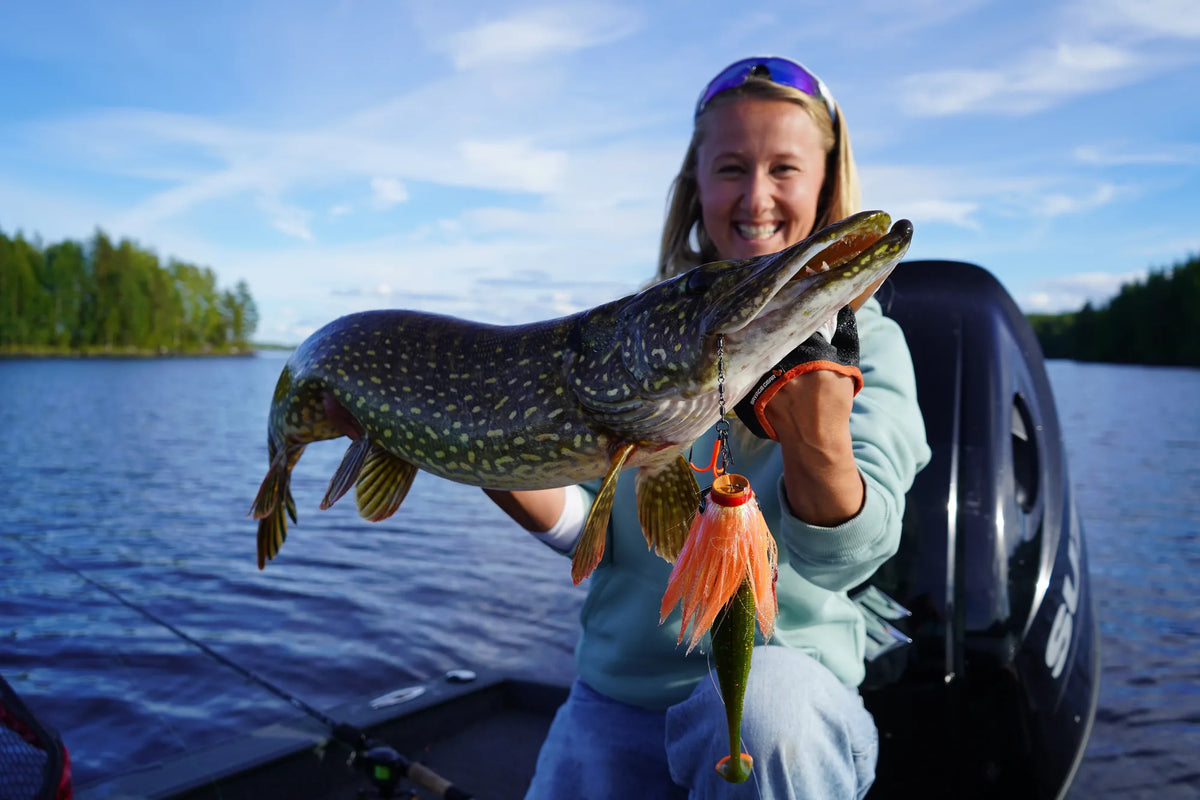
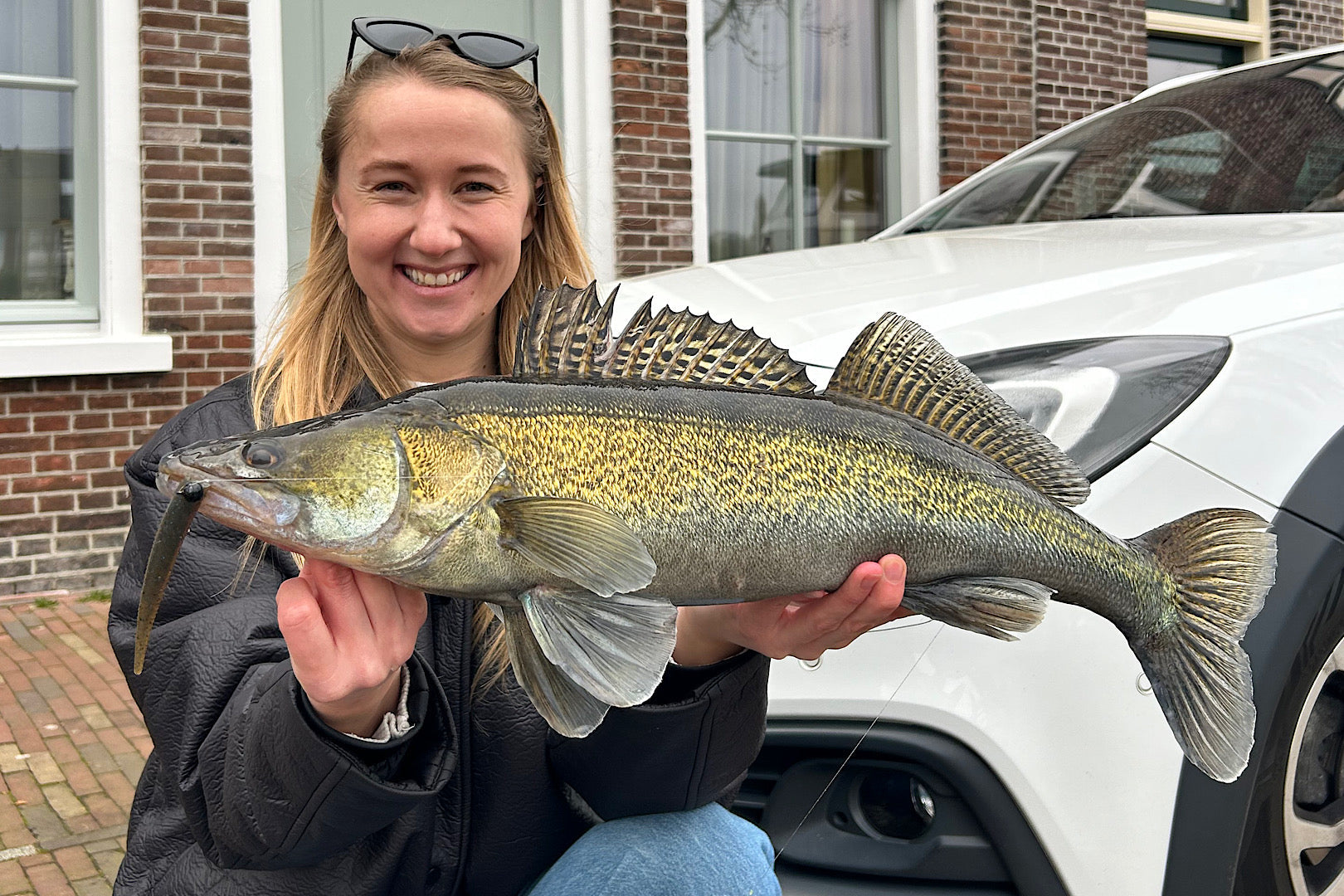
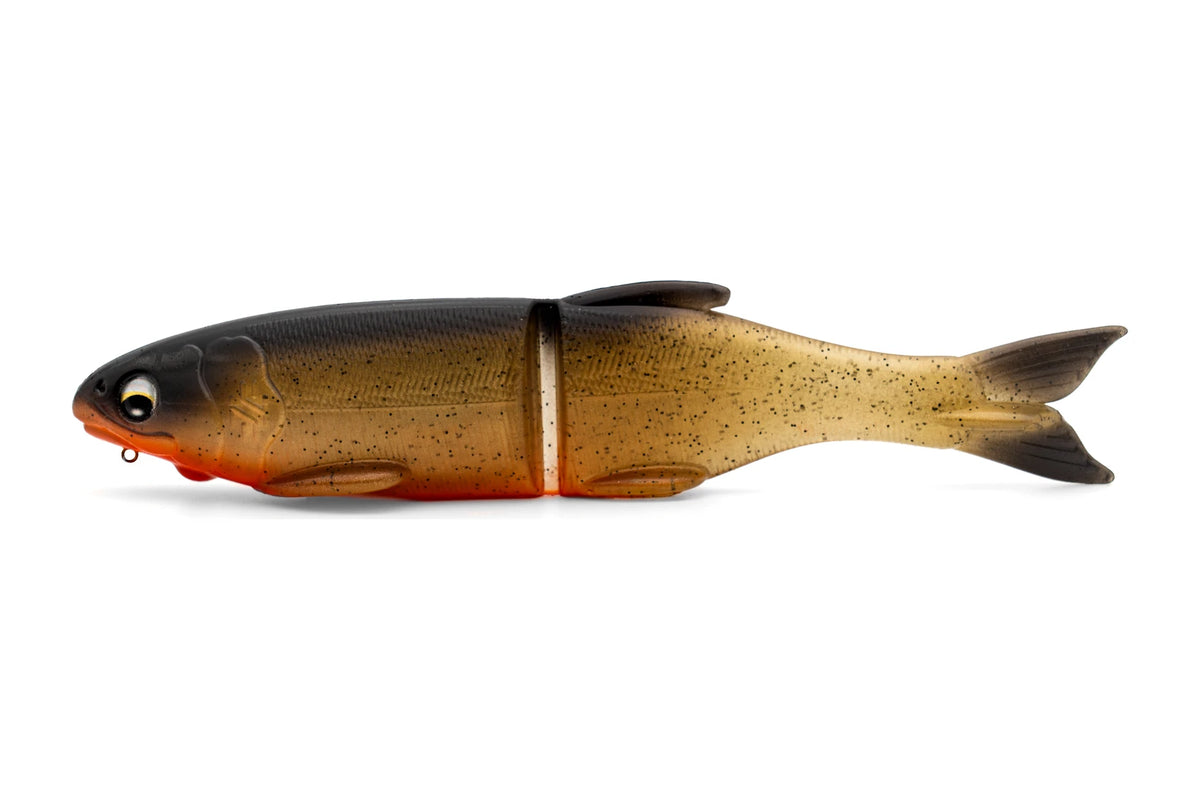
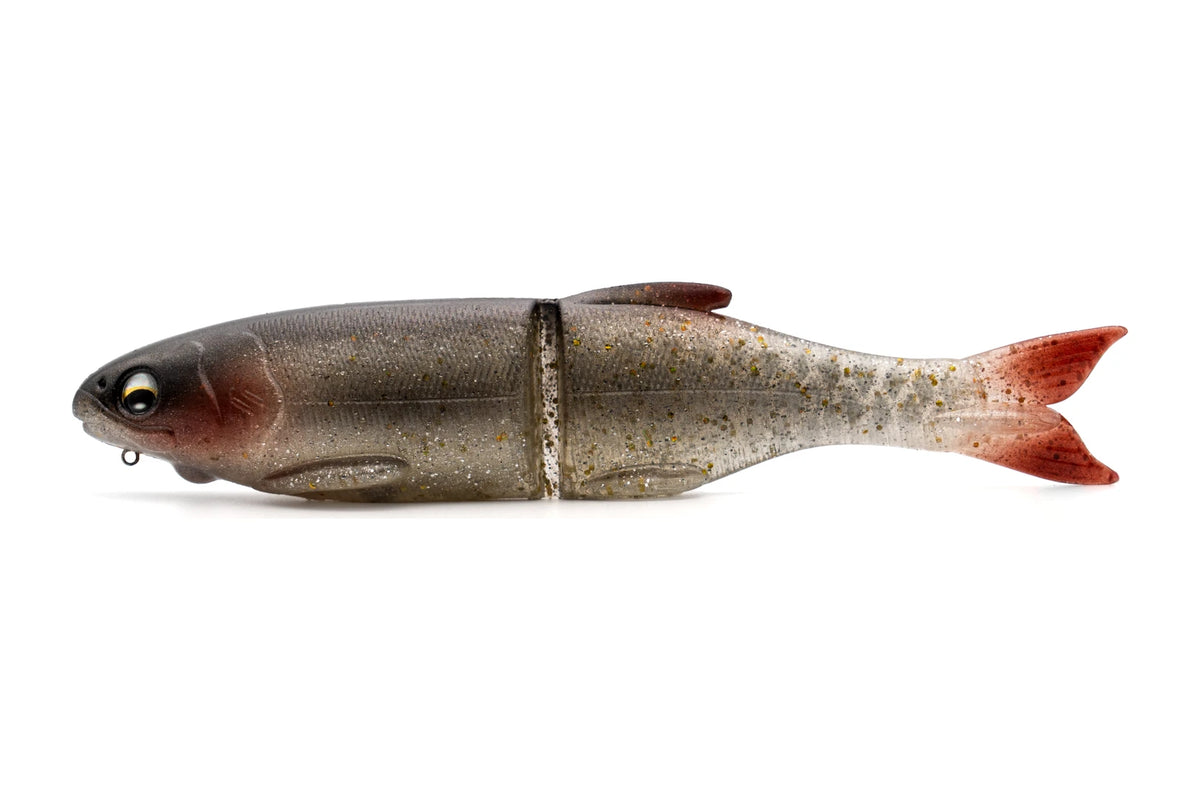
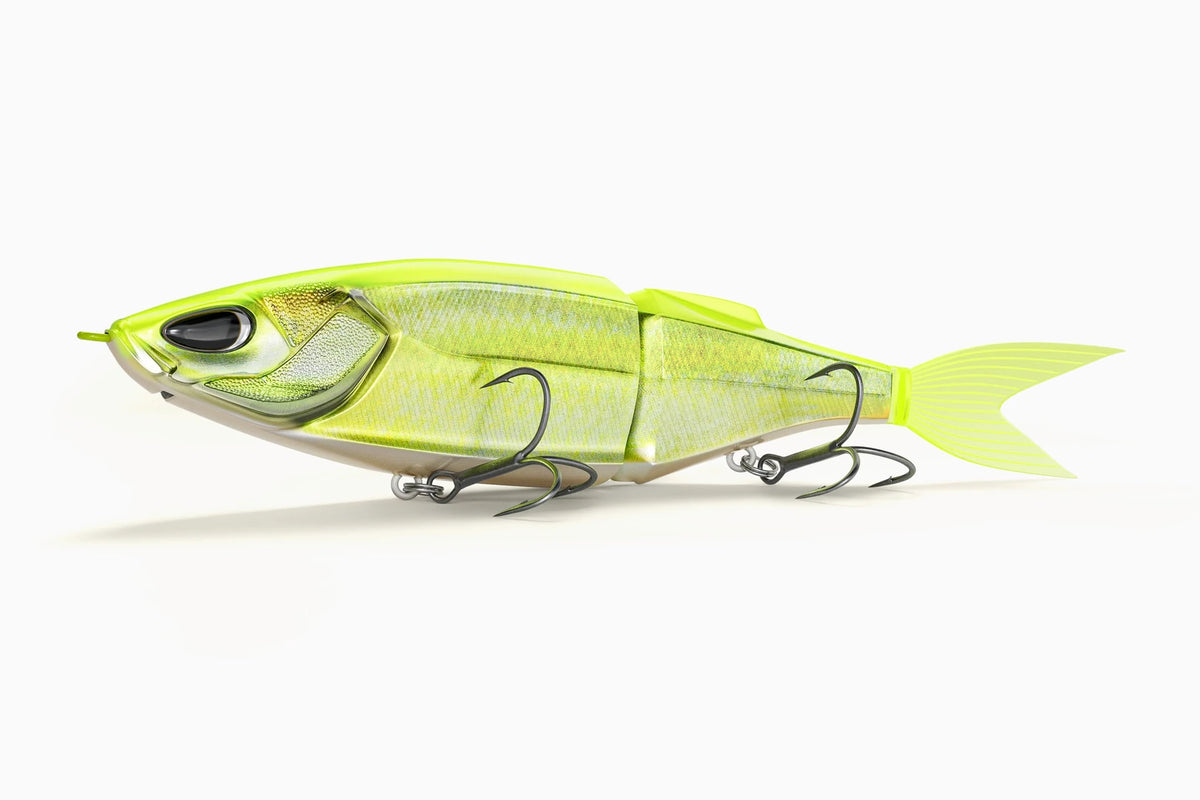
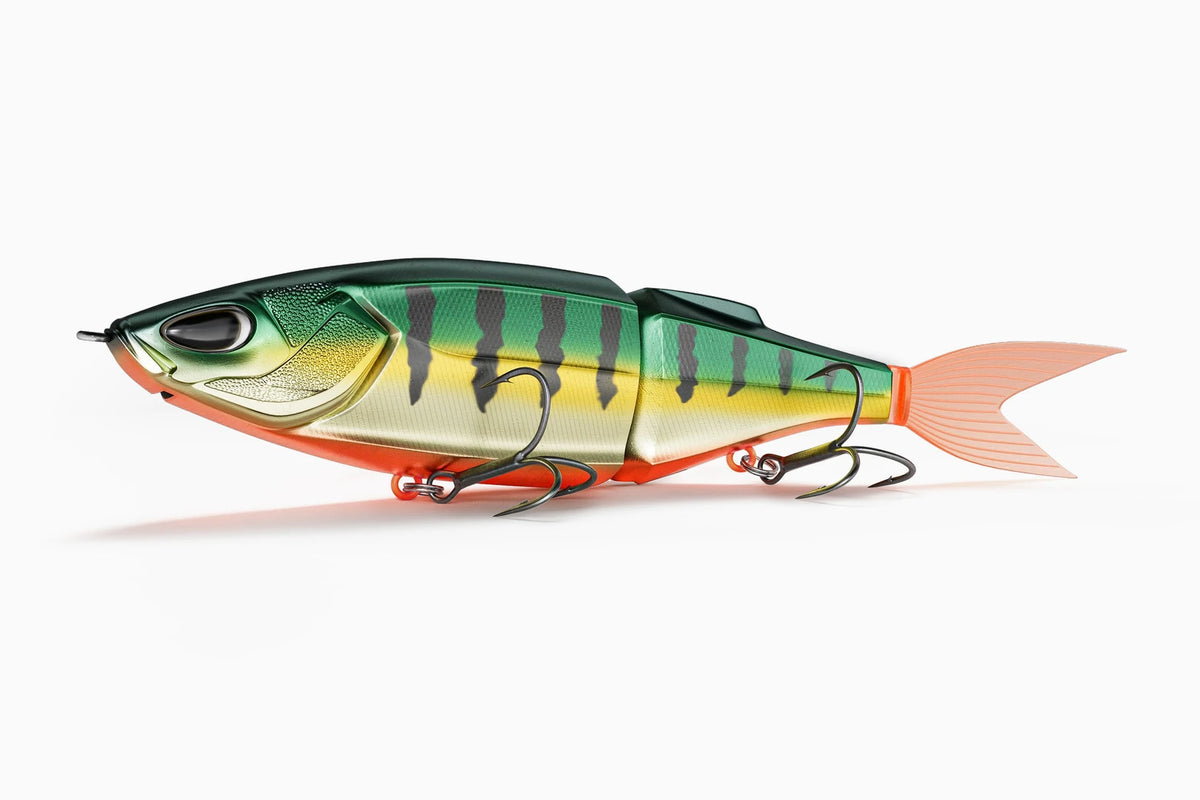
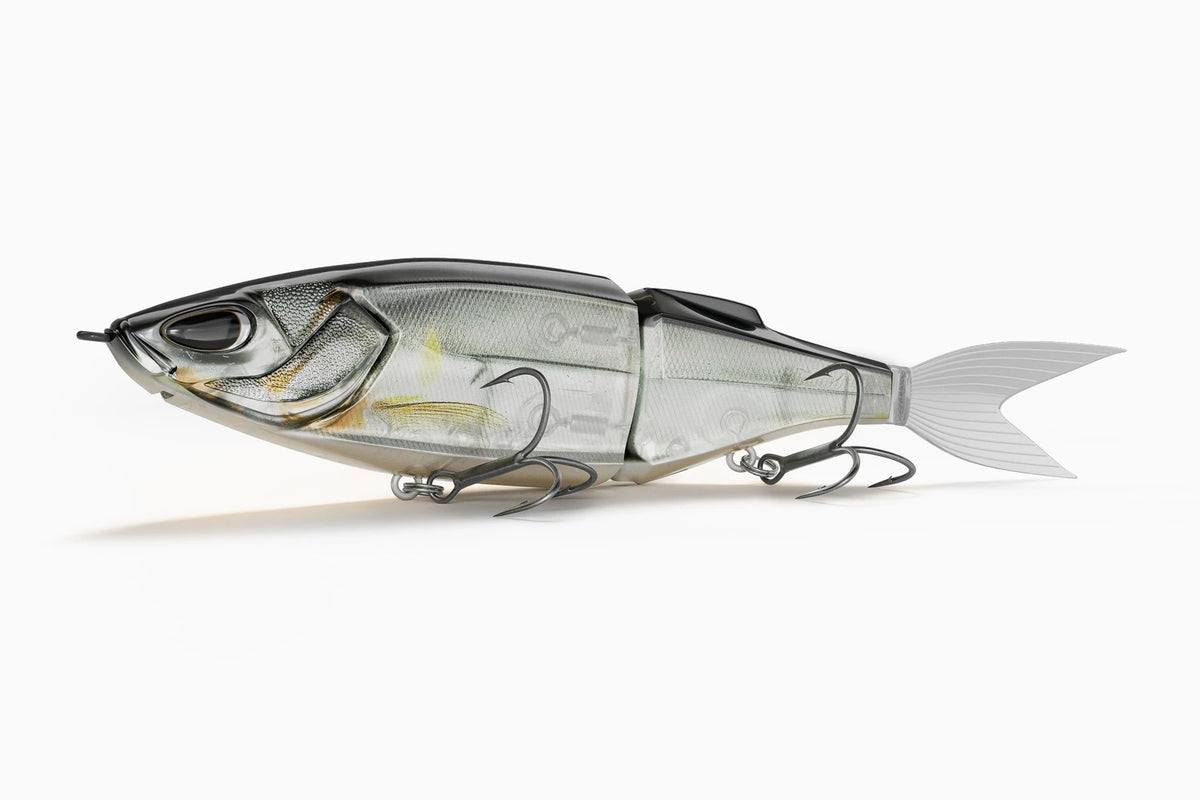
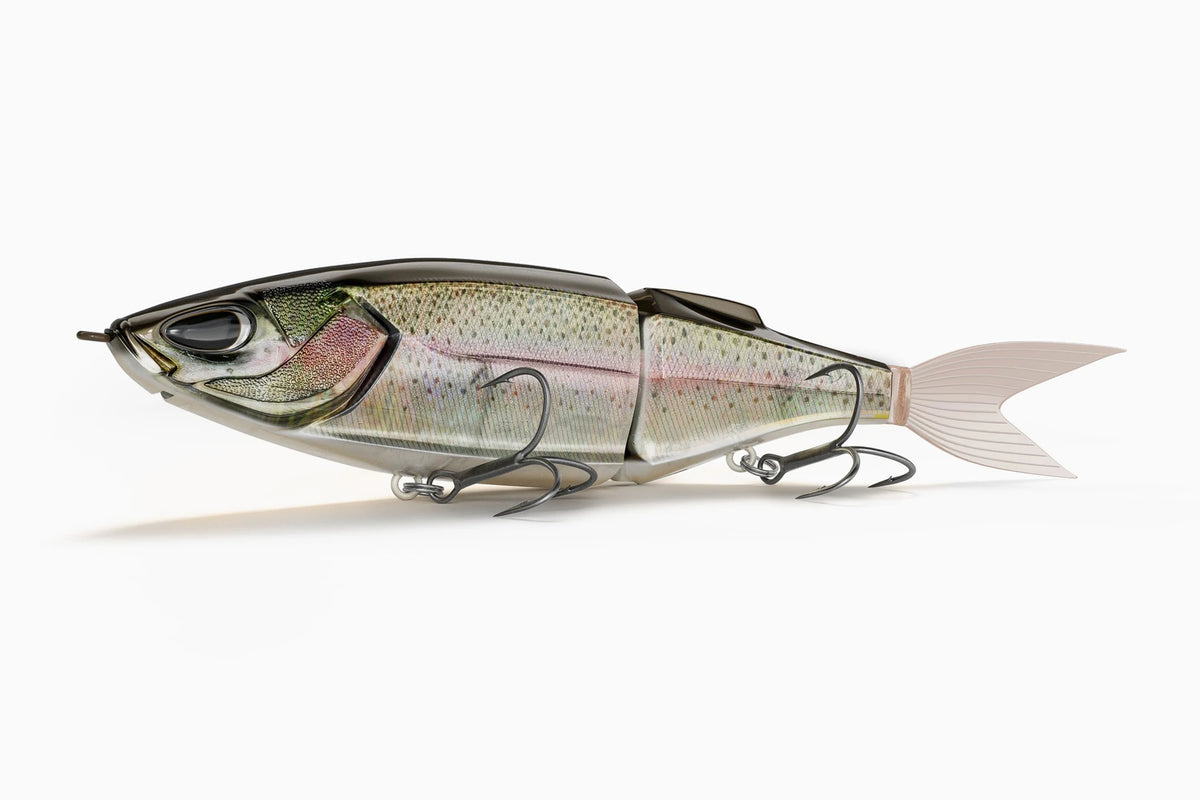
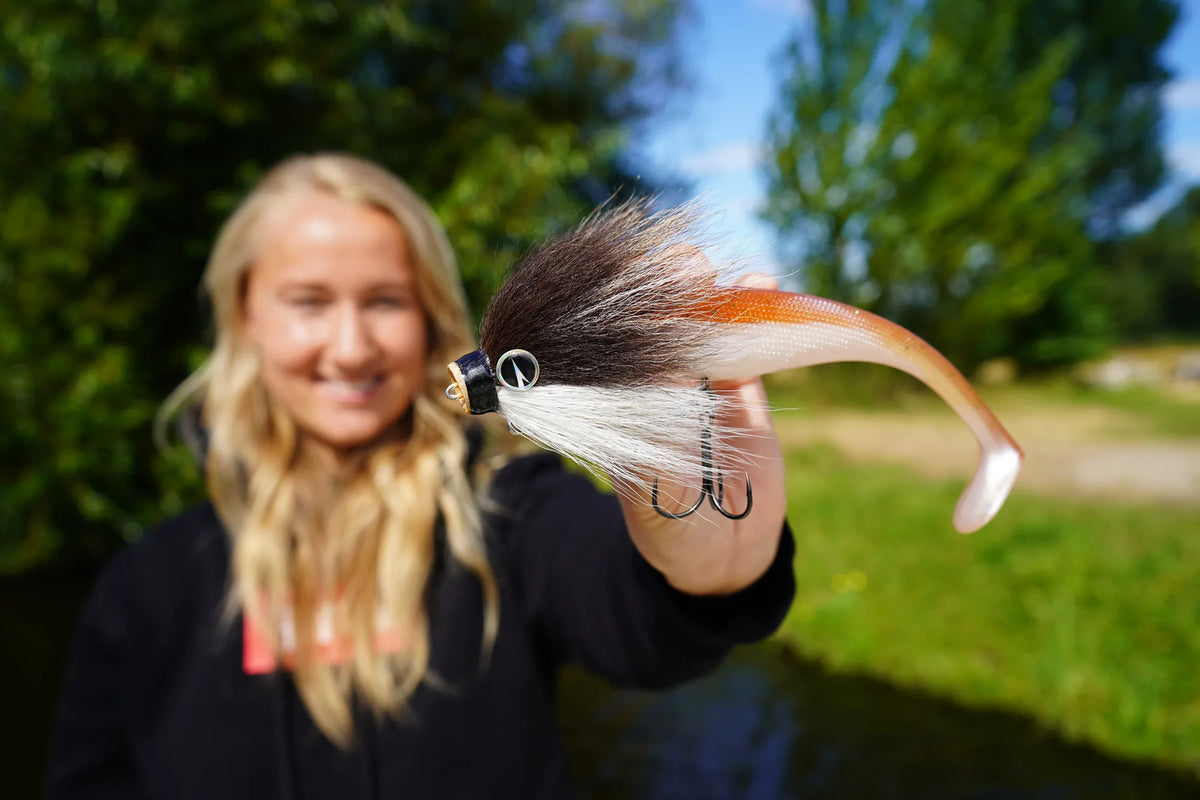
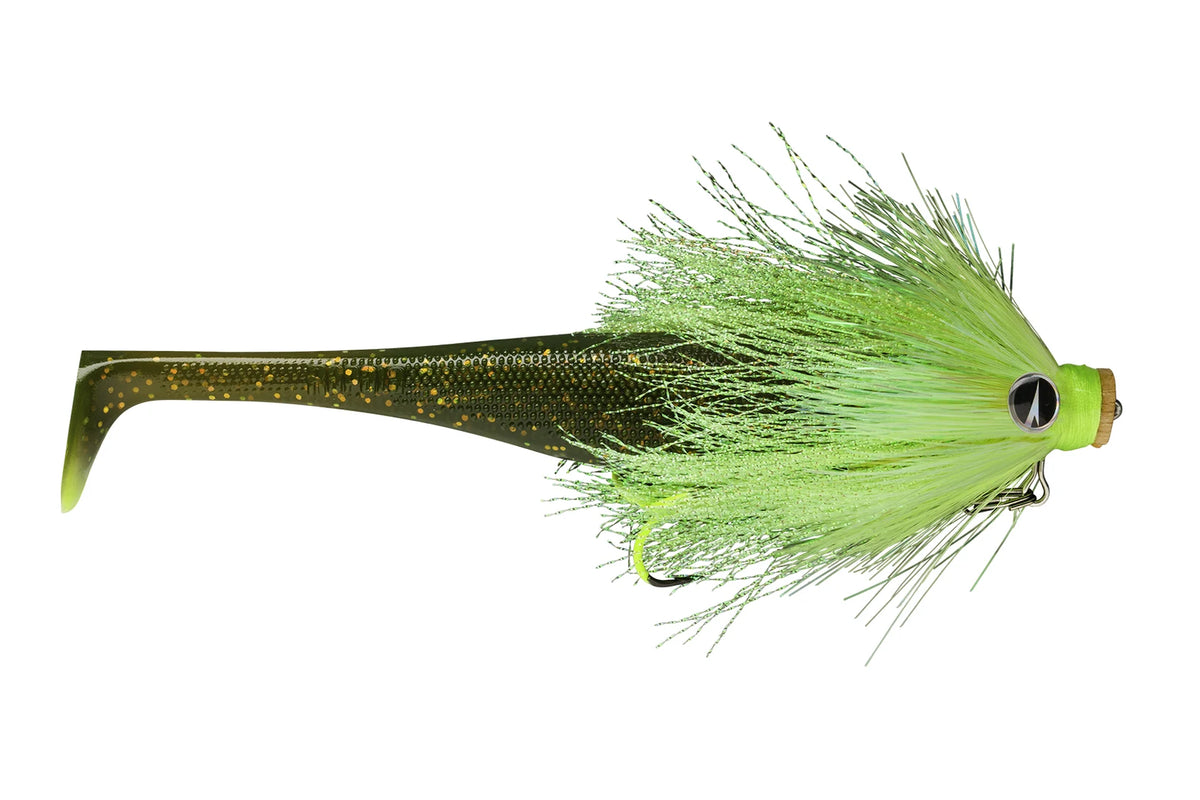
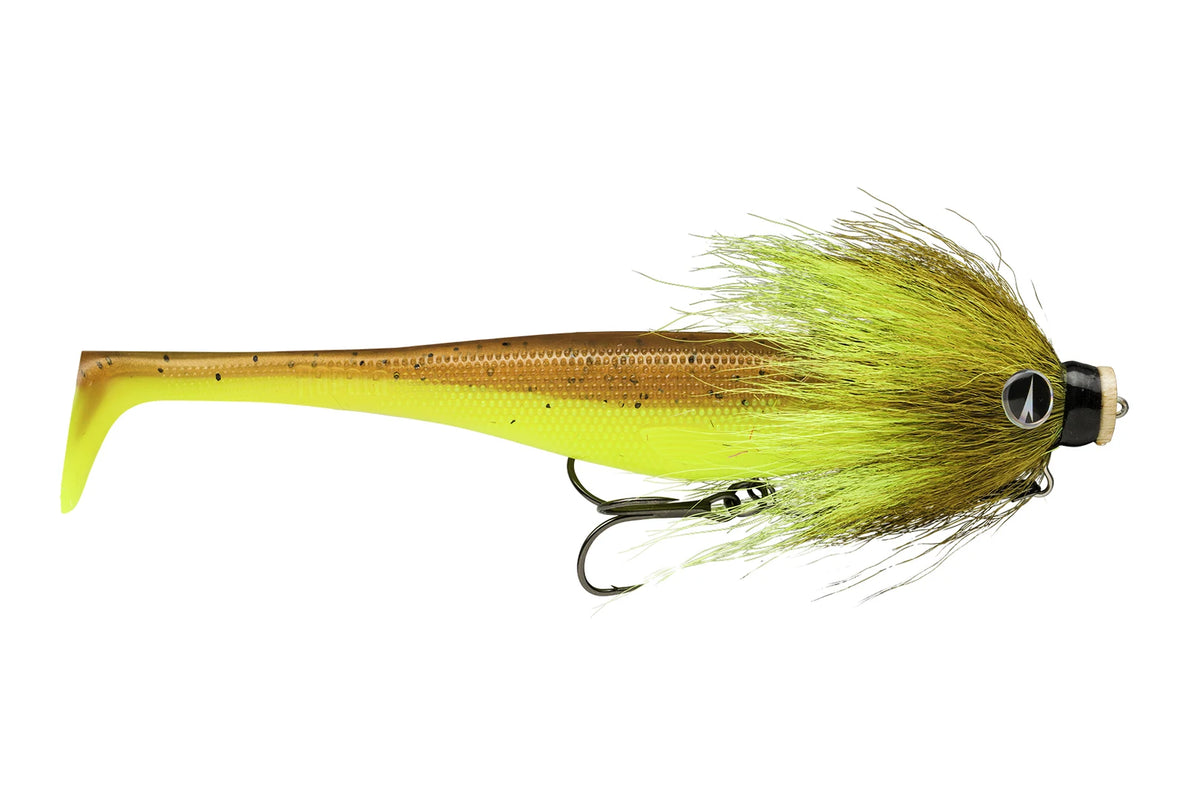
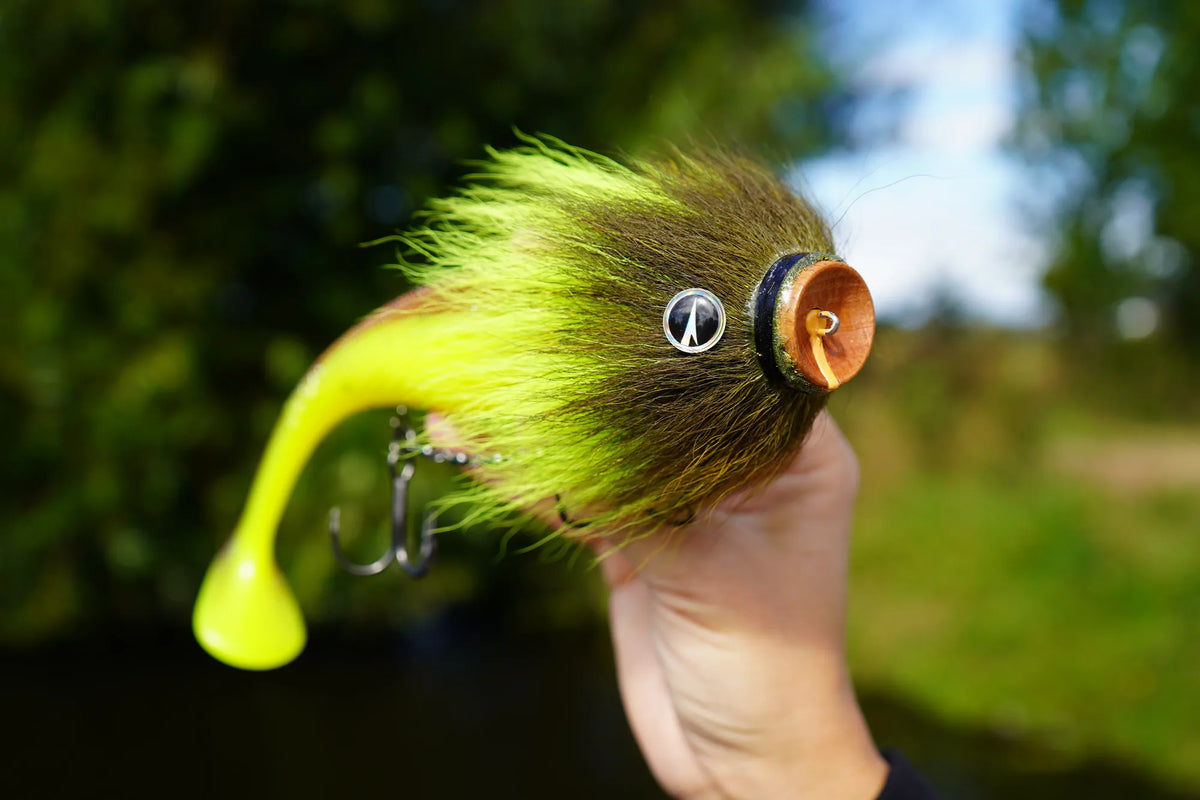
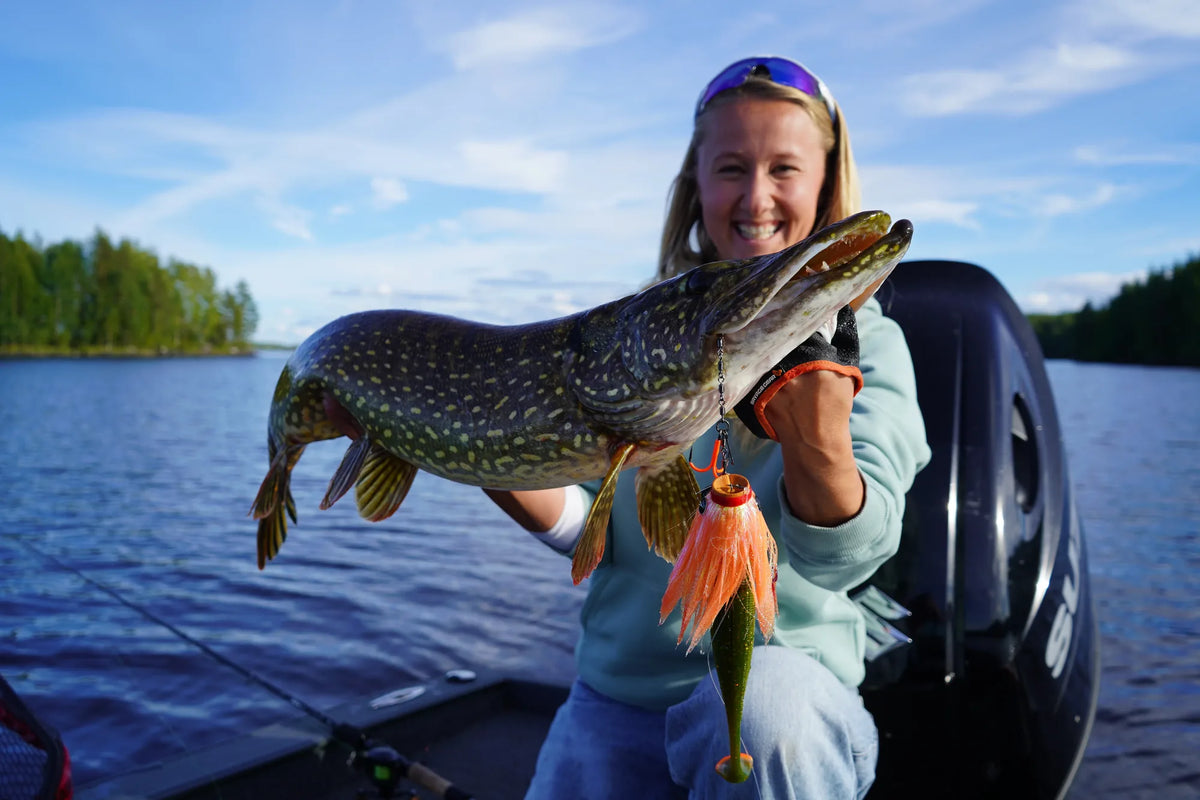
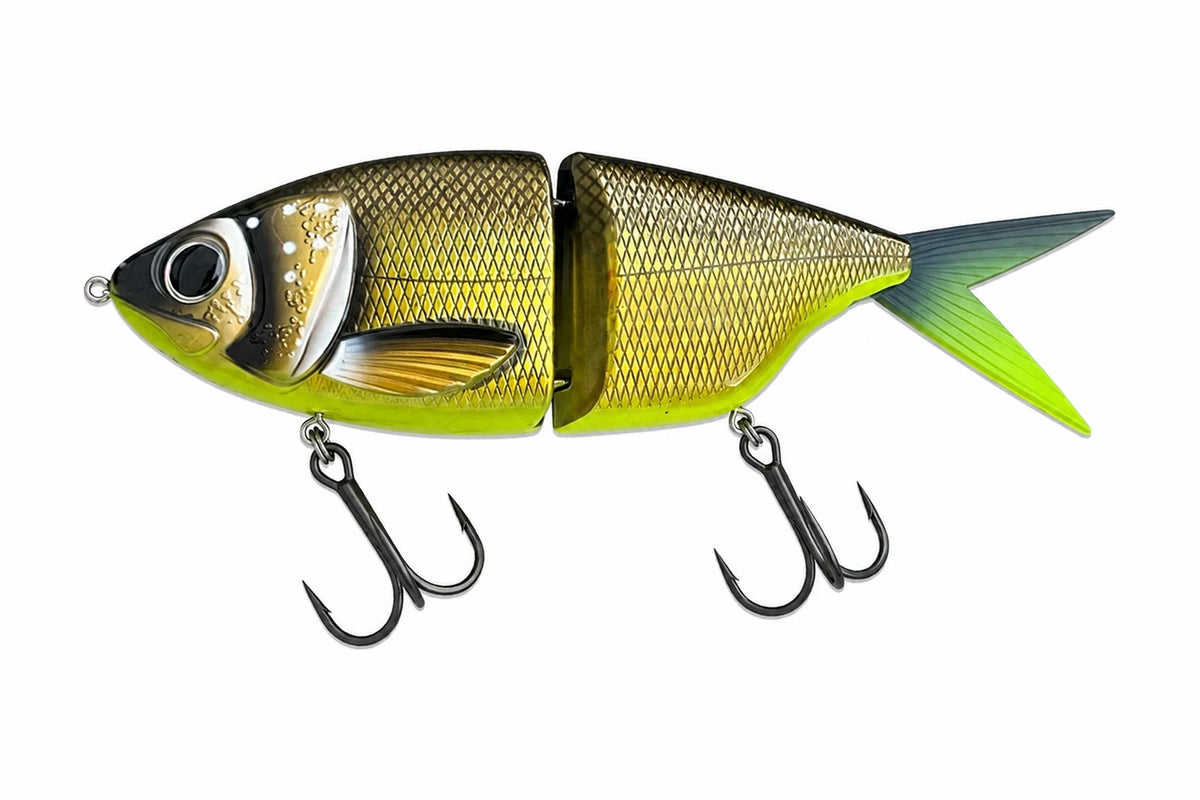
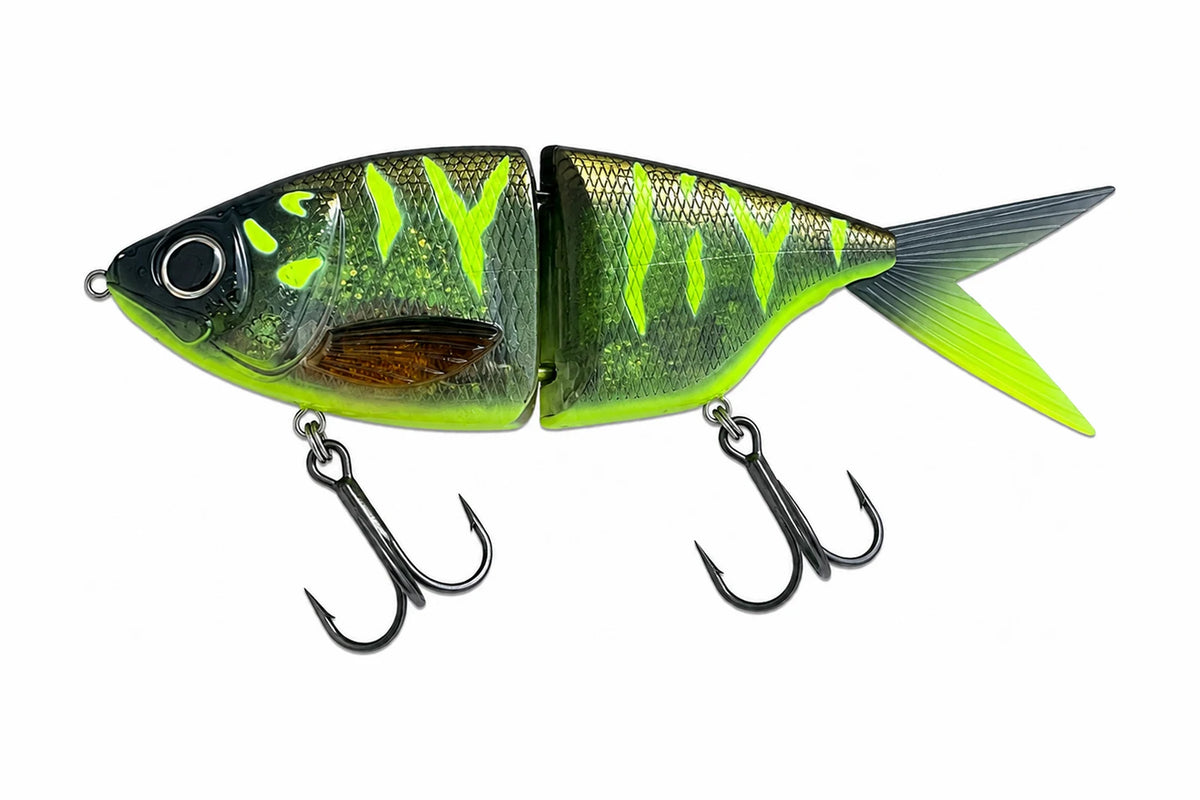
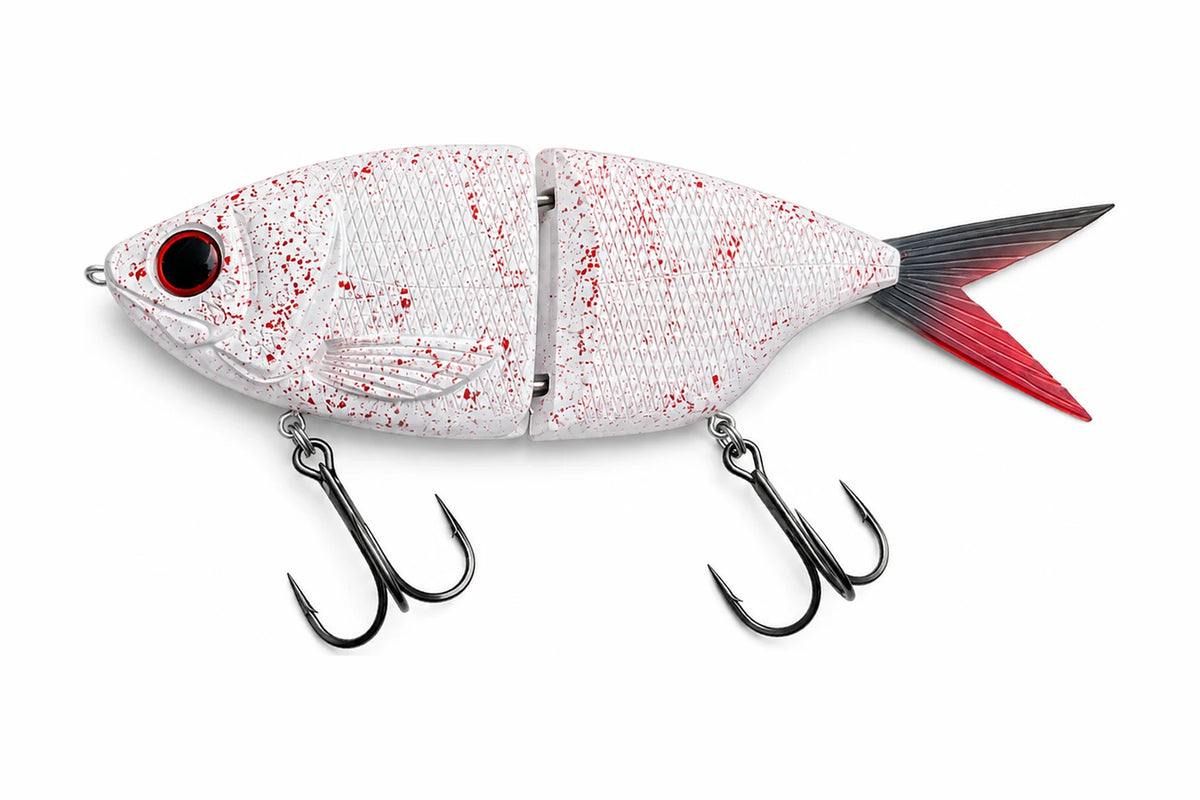
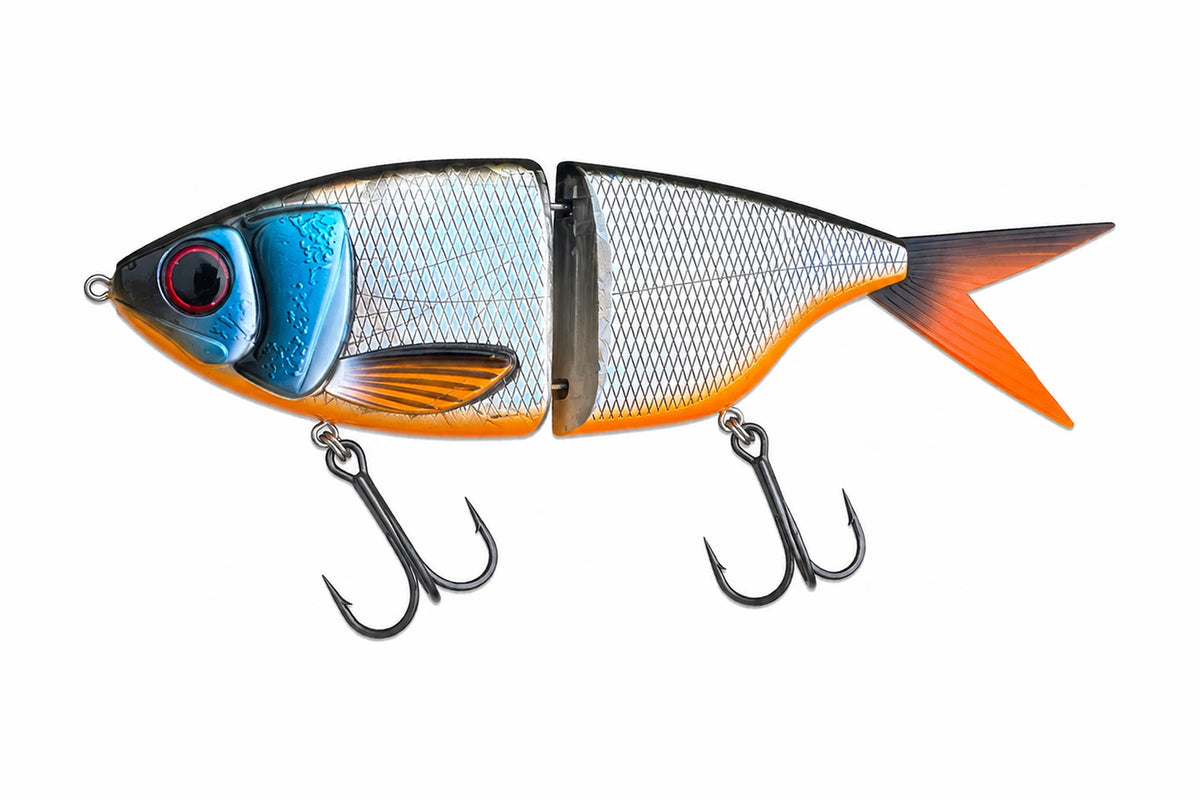
Sandre capturé avec le Swimbait Republic Glideway 176 :






Share:
Rapala : quel leurre utiliser et quand ?
HideUp Lures : leurres finesse japonais comme Coike, Stagger Stick et Stagger Craw