
In the Netherlands, the closed season for predator fishing runs from March 1 until the last Saturday of May, with specific rules for pike, zander, perch and artificial lures.
Every year, recreational anglers in the Netherlands face the closed fishing season, also known as the closed season. An important point: a closed season usually does not mean you are not allowed to fish at all. Instead, it means certain species may not be kept and must be released immediately if caught.
This period often causes questions and confusion: what is allowed, what is not, and why do these rules exist in the first place? On this page, we clearly explain how the closed season works according to the regulations of Sportvisserij Nederland.

Why Does the Closed Fishing Season Exist?
The closed season is designed to protect fish during their spawning period. During this time, many species reproduce and are especially vulnerable. Temporary restrictions on certain fish species and bait types give fish the opportunity to spawn successfully and help maintain healthy fish populations for the future.
These rules apply to all recreational anglers fishing Dutch inland waters and are established under national fisheries law and official regulations.
Main Closed Seasons for Fish Species
Not every species has the same closed period. The most important legal closed seasons are:
Pike
• March 1 until the last Saturday of May
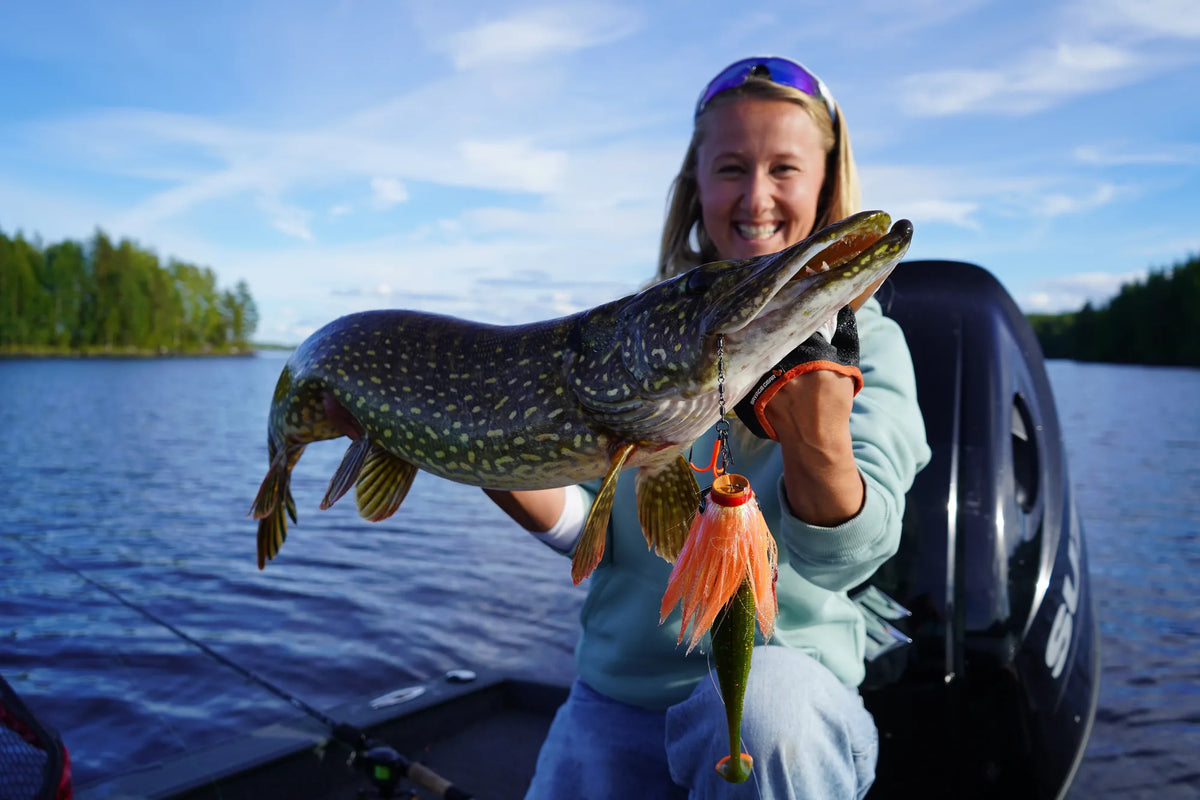
• Any pike caught during this period must be released immediately
• In March, fishing for pike is still allowed, but the fish may not be kept

Zander and Perch
• April 1 until the last Saturday of May
• These species may not be retained and must be released immediately

Other Species (selection)
• Barbel, chub and ide: April 1 – May 31
• Brown trout: October 1 – March 31
• Some species, such as salmon and sea trout, are protected all year round
Closed Season for Baits (Where Many Anglers Get Confused)
Besides species restrictions, there is also a closed period for certain bait types. For predator anglers, this is often the most important rule.
From April 1 until the last Saturday of May, it is prohibited to fish in Dutch inland waters with:
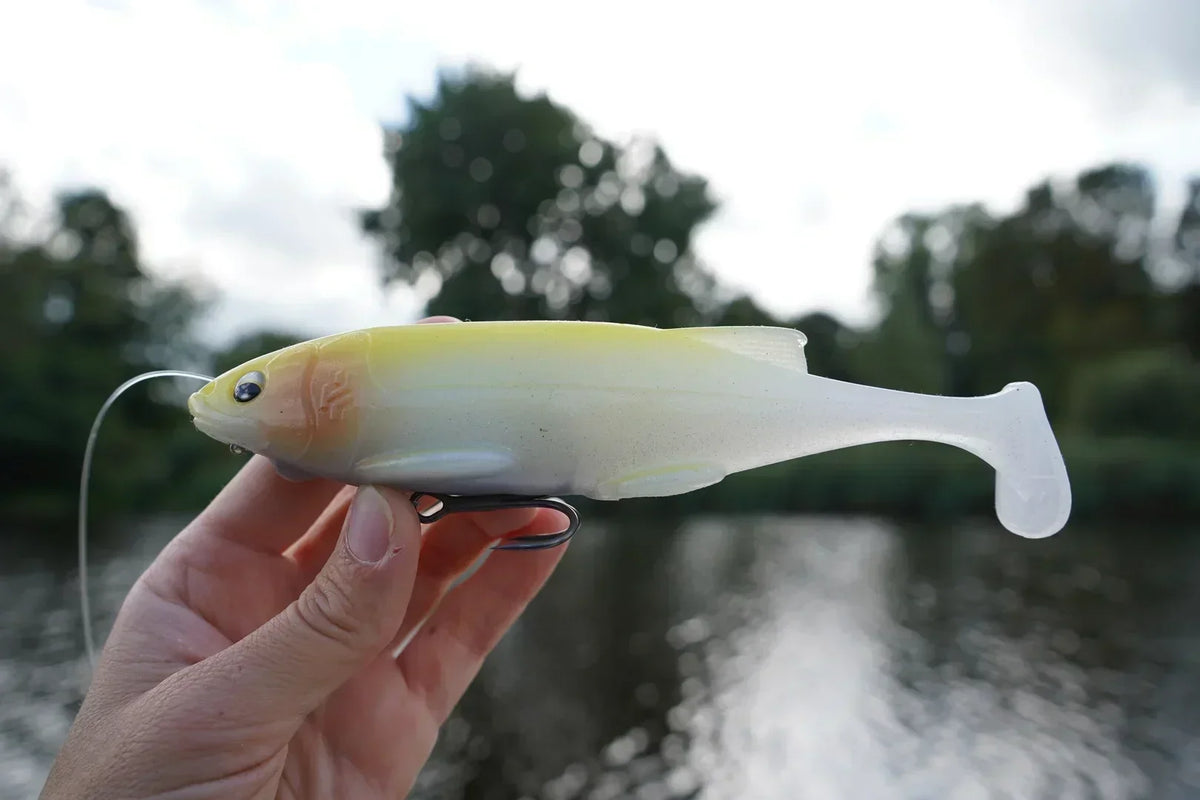
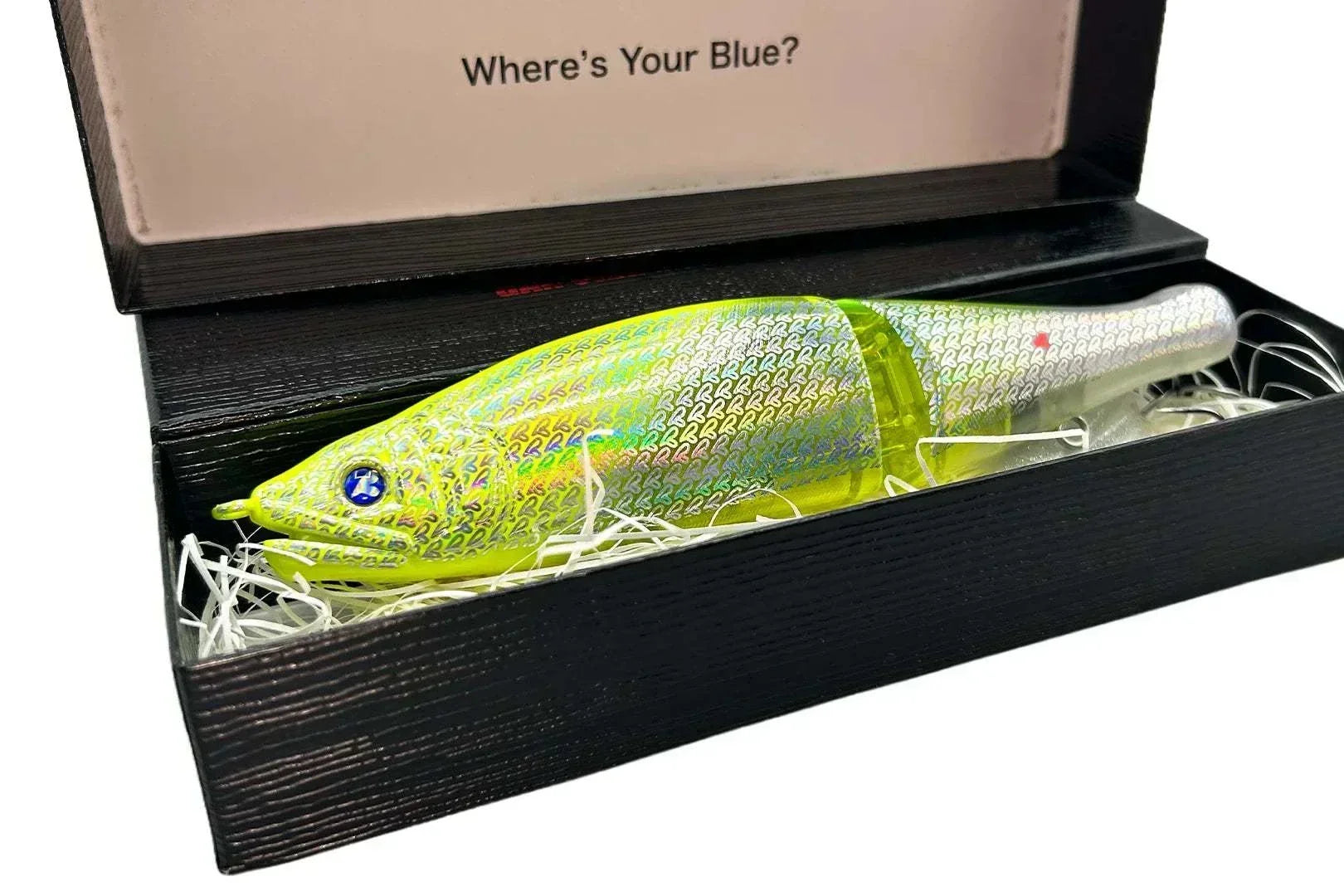
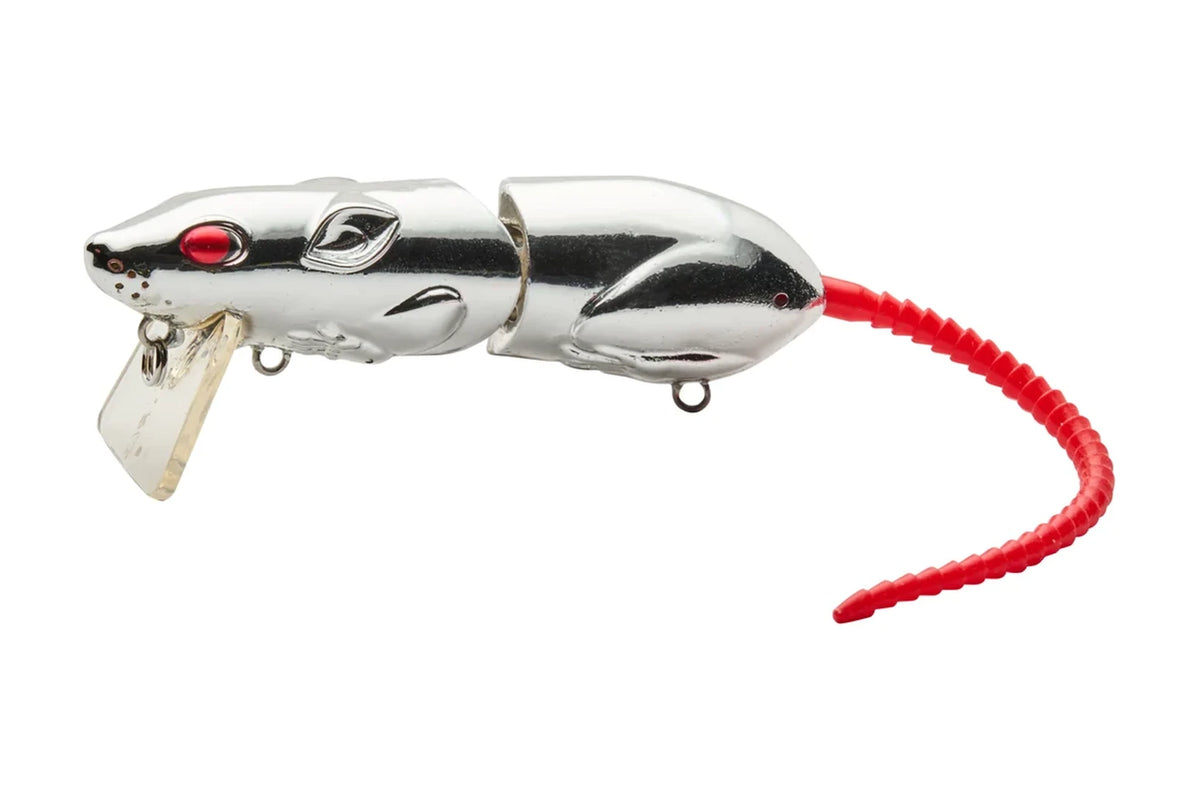
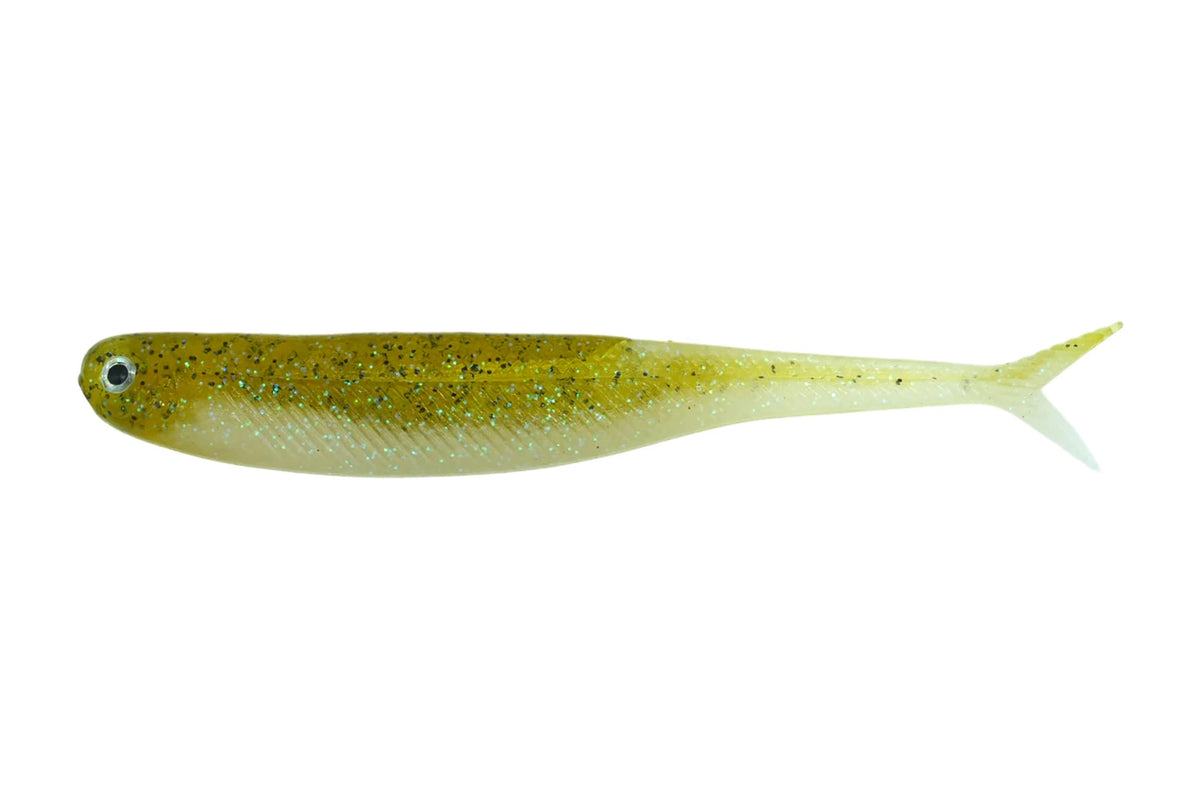
• almost all types of artificial lures
• dead baitfish or pieces of fish
• animal by-products
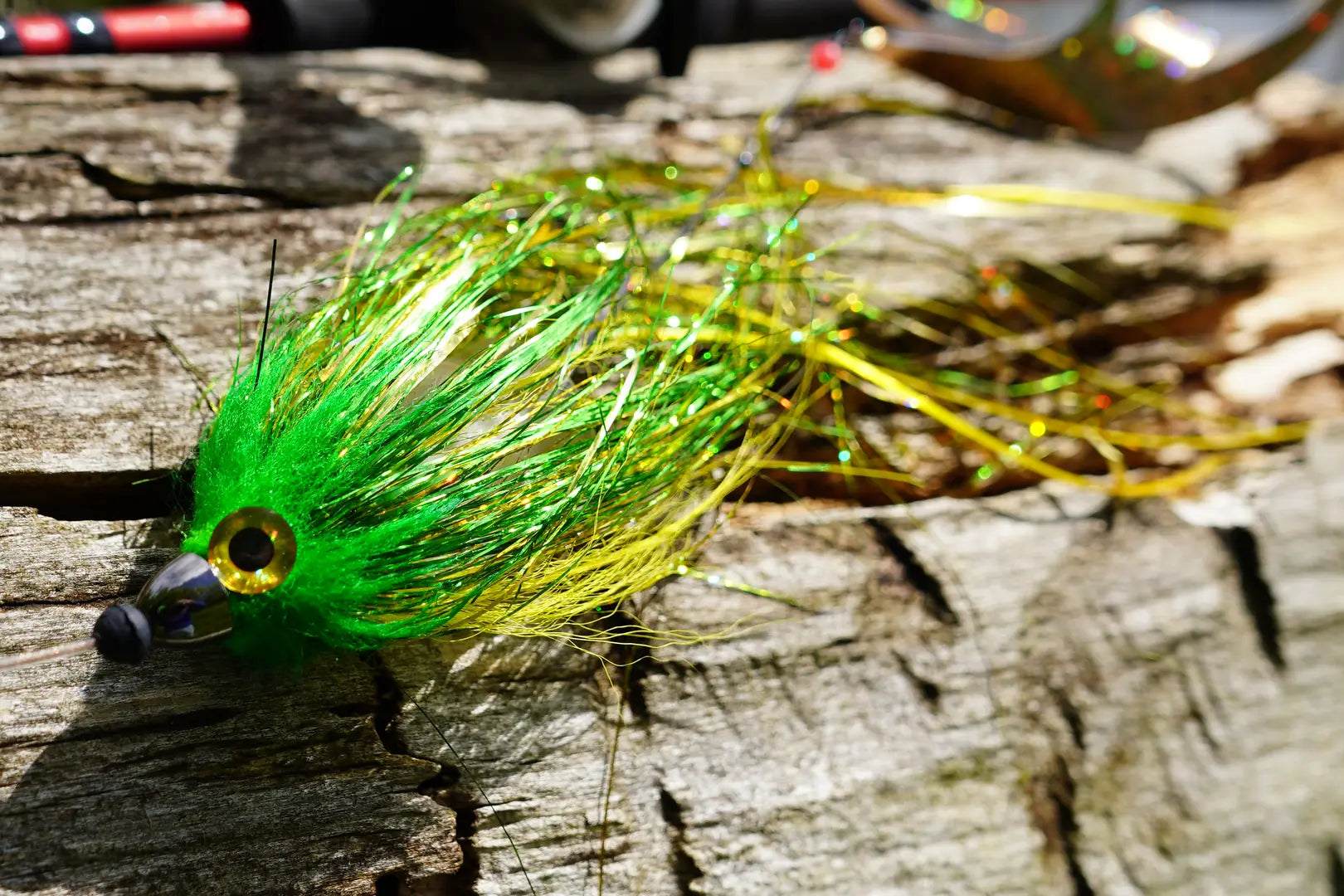
The only exception is artificial flies smaller than 2.5 cm.
This measure prevents active targeting of predatory fish during their spawning period.
Fishing Methods That May Target Zander
During the bait restriction period, it is not allowed to fish in a way that creates a high likelihood of catching zander. This rule was recently added to clarify what is and is not permitted during this time.
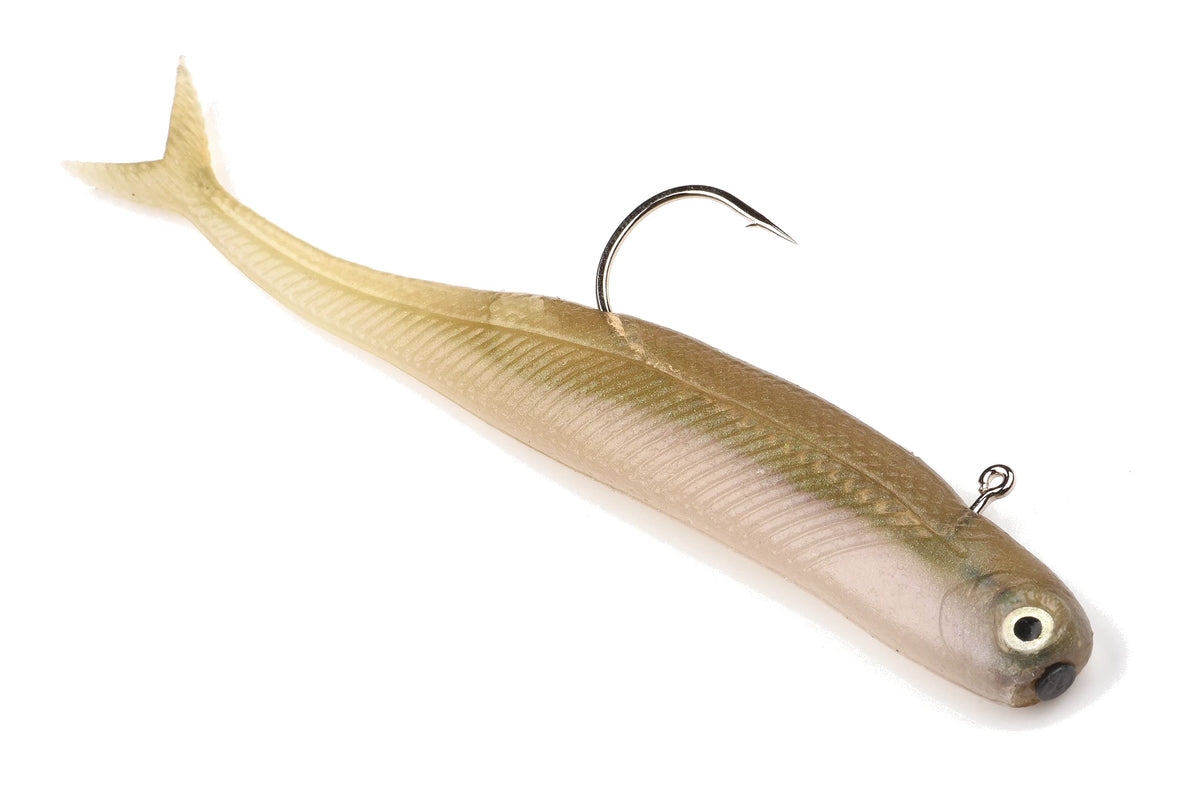
In practice, this means you may not actively fish with methods such as dropshot rigs or jigheads baited with worms when these techniques are effectively targeting zander.
The lure restriction exists to protect zander and other predatory fish such as perch and pike. The goal is not only to release fish after capture, but primarily to prevent them from being caught during this vulnerable period.
Zander are particularly sensitive because they build and guard nests against predators such as gobies and crayfish.
In recent years, certain rigs were used to bypass the closed season, which undermined species protection. Therefore, these fishing methods are now explicitly prohibited during this period.

Still Allowed During the Closed Season
• Fishing for catfish using a bundle of worms
• Static fishing for coarse fish (whitefish)
Why Does Pike Protection Start Earlier?
Many anglers find it confusing that the pike closed season starts on March 1, while the lure ban only begins on April 1.
The reason is biological: pike spawn earlier than other predatory fish. Therefore, protection for this species starts one month earlier.
During March, fishing with artificial lures is still allowed, but any pike caught must be released immediately.
Special Rules for IJsselmeer and Markermeer
Some large waters have different regulations. For example:
• The pike closed season may run until June 30
• The bait restriction may start earlier (from March 16)
Always check the VISplanner or local regulations before fishing.
What Happens If You Catch a Protected Fish?
According to Sportvisserij Nederland regulations, you must:
• handle the fish carefully
• avoid unhooking the fish outside the water whenever possible
• release the fish immediately in the same water
Keeping fish during the closed season is prohibited.
Common Misunderstandings
“I’m not allowed to fish at all during the closed season.”
Incorrect. Fishing is often still allowed, but not with certain bait types or when targeting protected species.
“Artificial lures are always banned in spring.”
No. The general lure ban only applies from April 1 until the last Saturday of May.
“Catch and release means everything is allowed.”
No. Legal restrictions still apply during closed seasons, even when fish are released.
When Does the Predator Fishing Season Start Again?
The closed season ends every year on the last Saturday of May. From that moment:
• all bait types are allowed again
• pike, zander and perch may be retained again (within regulations and minimum size limits, if permitted by your license)
For many predator anglers, this feels like the official start of the new fishing season.
Summary
In short:
• Pike closed season: March 1 – last Saturday of May (in March you may still target pike, but it must be released immediately and may not be kept)
• Perch and zander closed season: April 1 – last Saturday of May
• Lure ban: April 1 – last Saturday of May
• Purpose: protection during spawning
• Protected fish must always be released immediately
Tip: Always Check the VISplanner
Rules may vary per water. Always check the VISplanner or the conditions of your VISpas before fishing to avoid surprises.
Tight lines!

Frequently Asked Questions about the Closed Season in the Netherlands
When does the pike closed season start in the Netherlands?
The pike closed season starts every year on March 1 and lasts until the last Saturday of May. During this period, pike must be released immediately and may not be kept.
When can you fish with artificial lures again?
The lure ban runs from April 1 until the last Saturday of May. After this date, anglers may fish with artificial lures again. In 2026, this means fishing with lures is allowed again from May 31.
Can you fish during the closed season?
Yes. Fishing is still allowed in many situations, but certain bait types and fish species are restricted. Artificial lures and dead baitfish are not allowed during the lure ban.



Share:
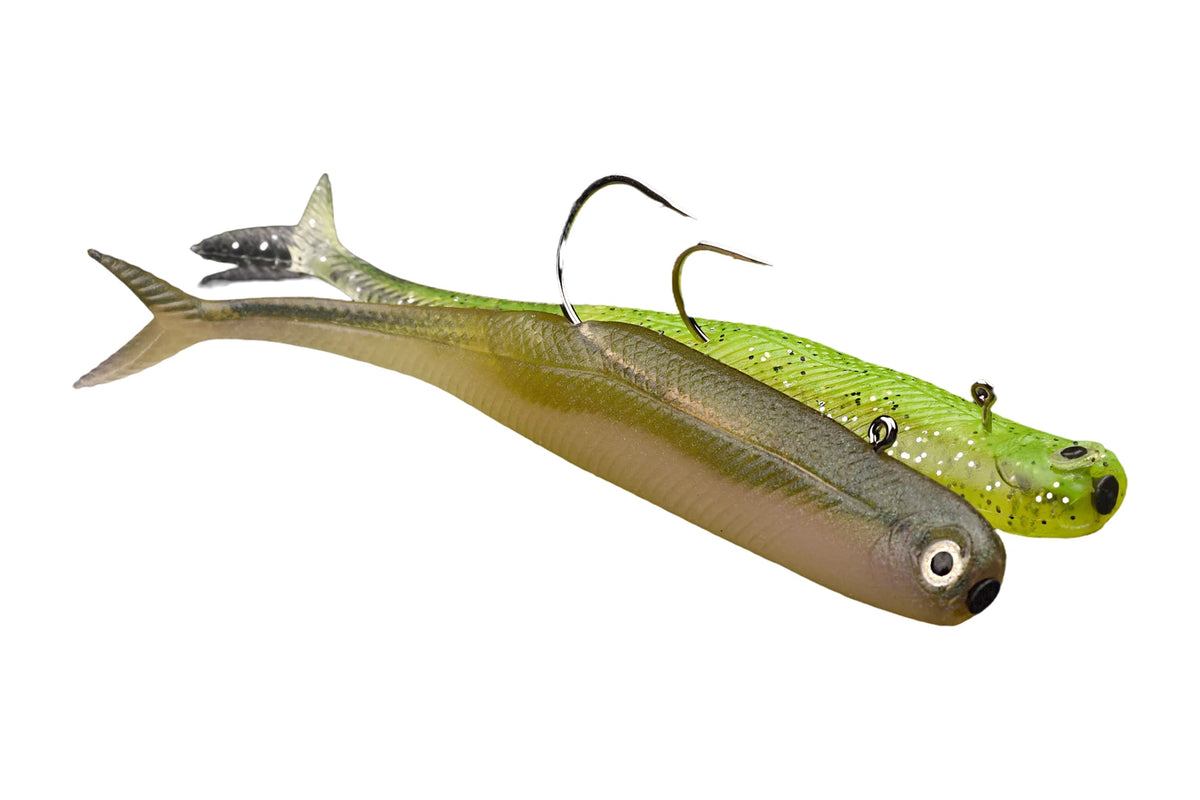
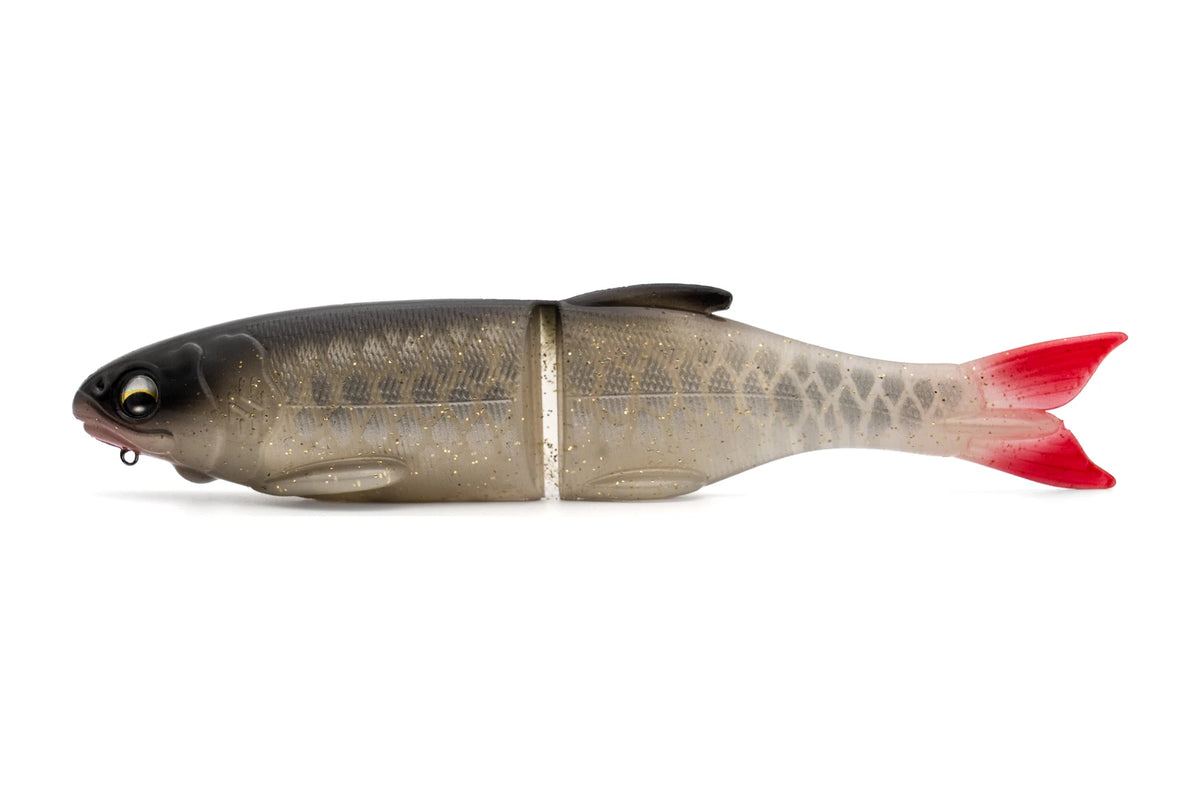
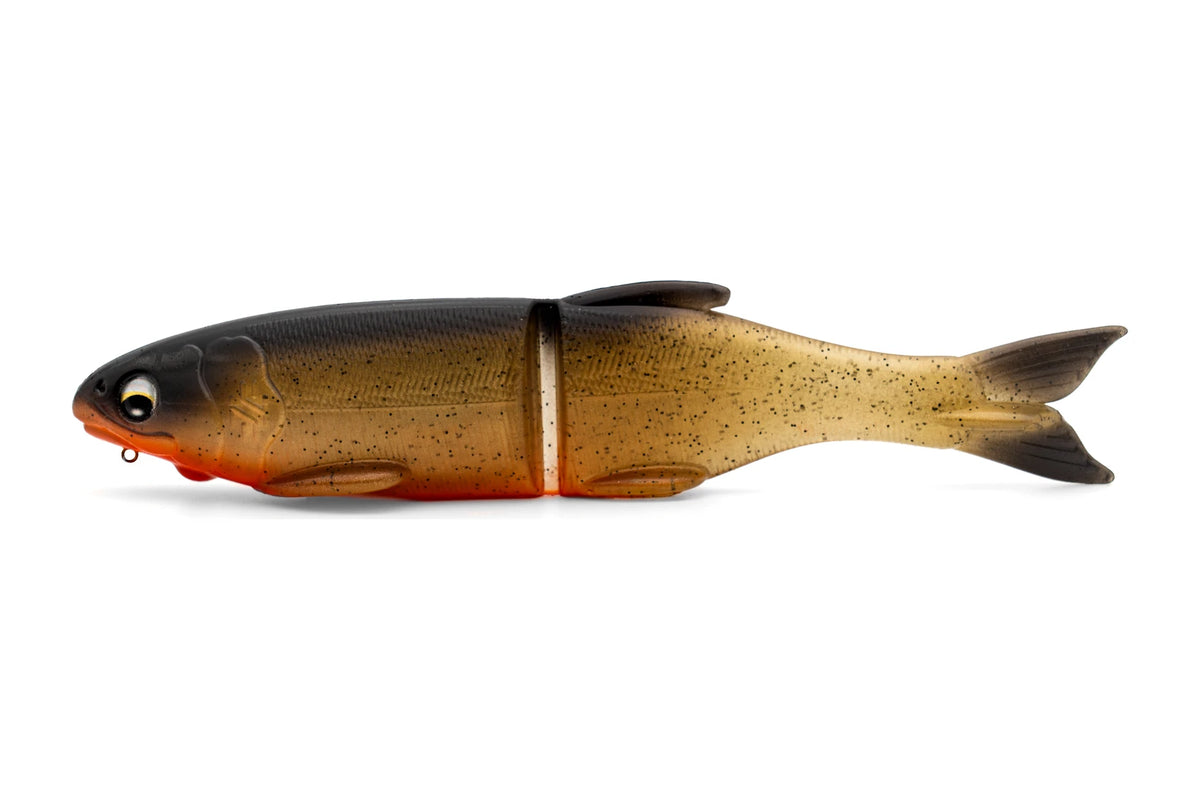
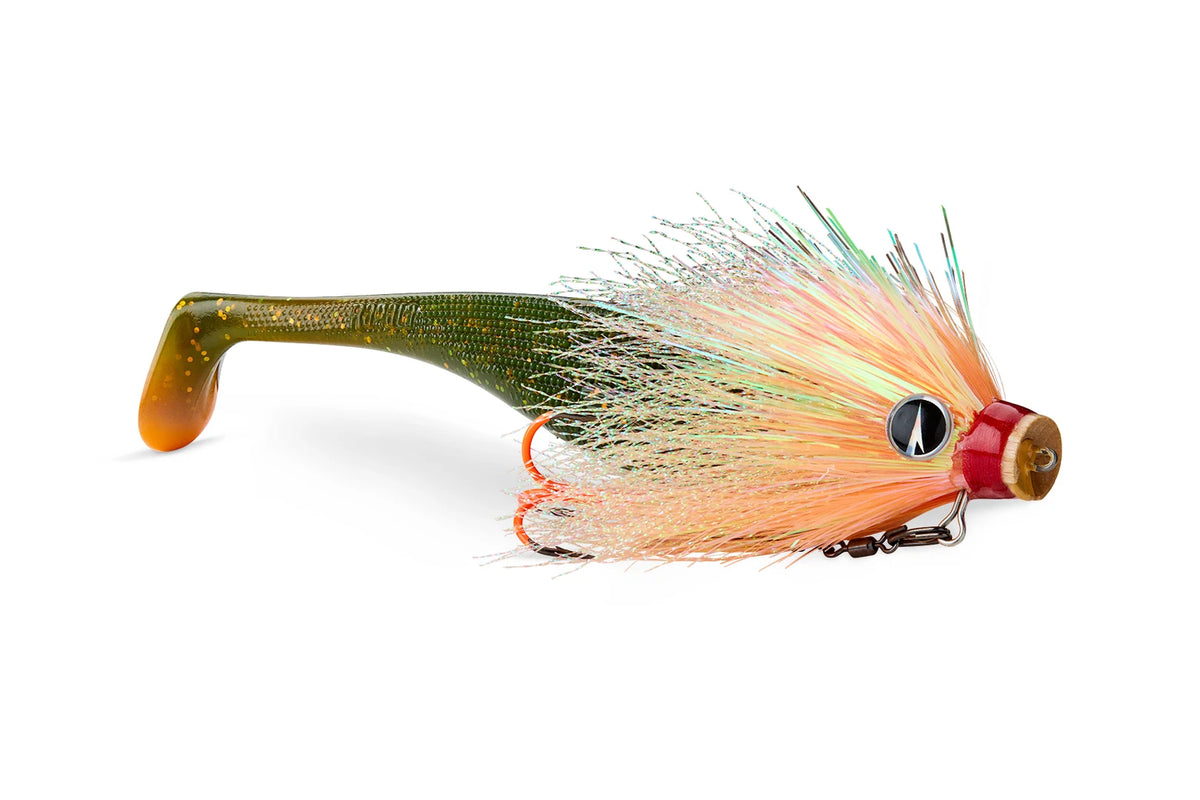
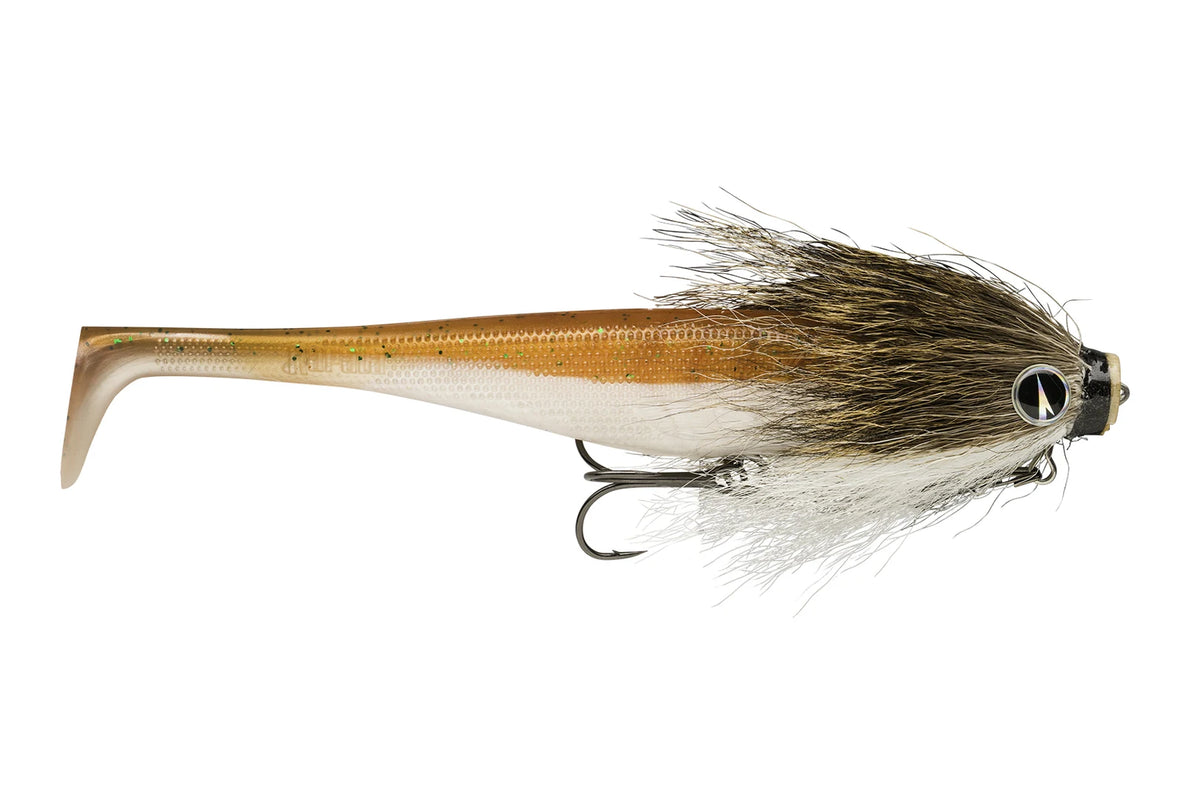
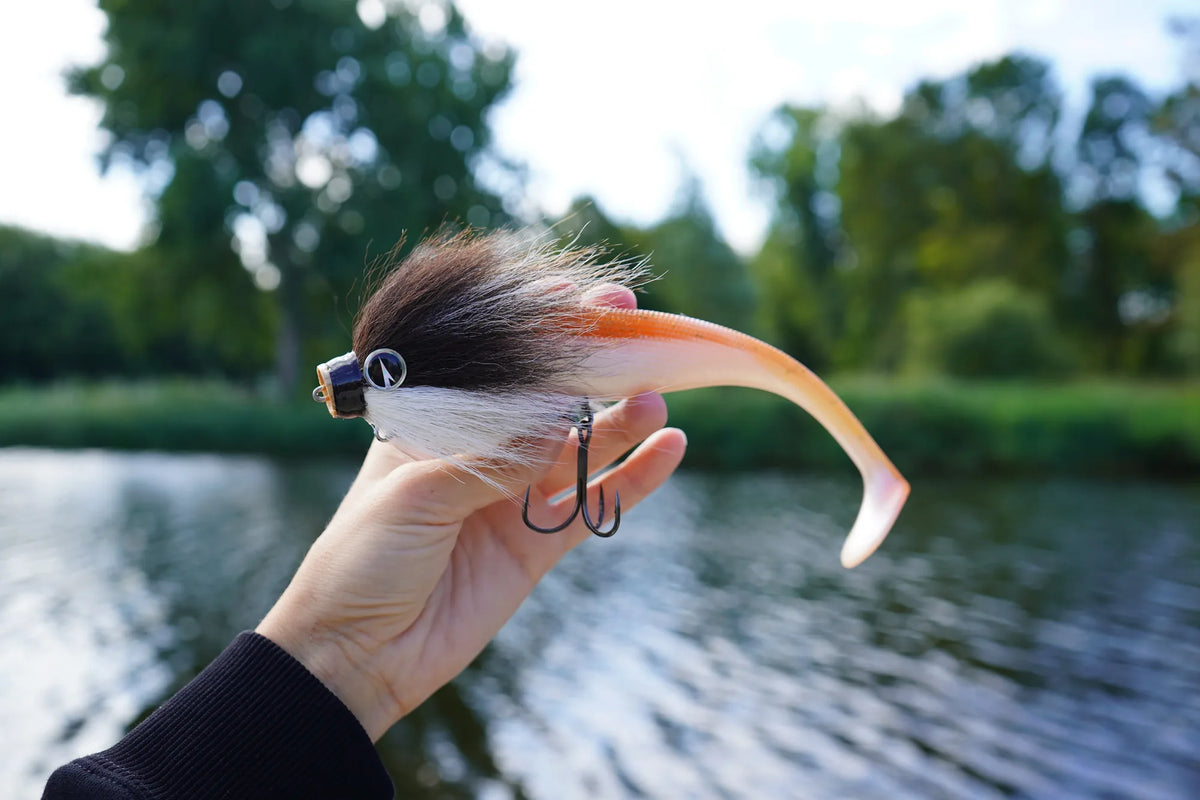
SPRO KGB Chad Shad and SPRO KGB Lil Guy | Discover these swimbaits
Rapala: the story behind one of the most iconic brands in predator fishing