
The Nays TRN 130: The Compact Swimbait That Adapts to Every Water
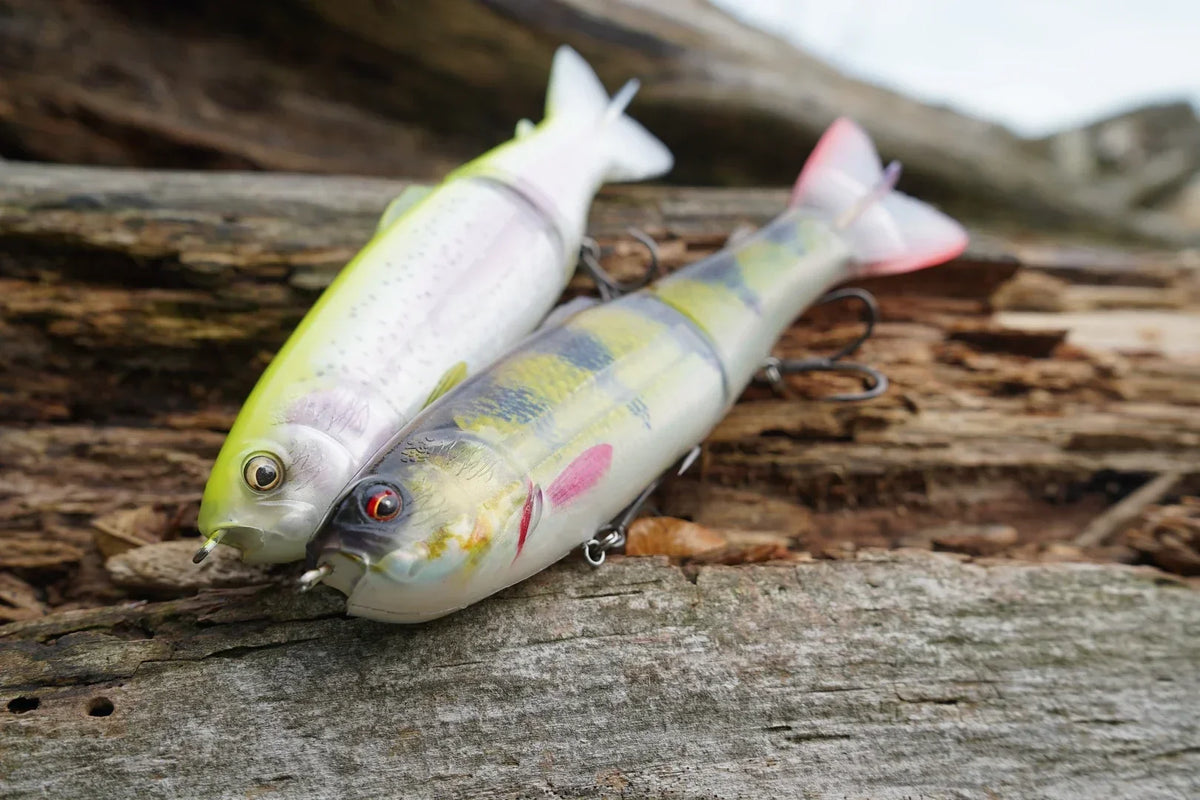
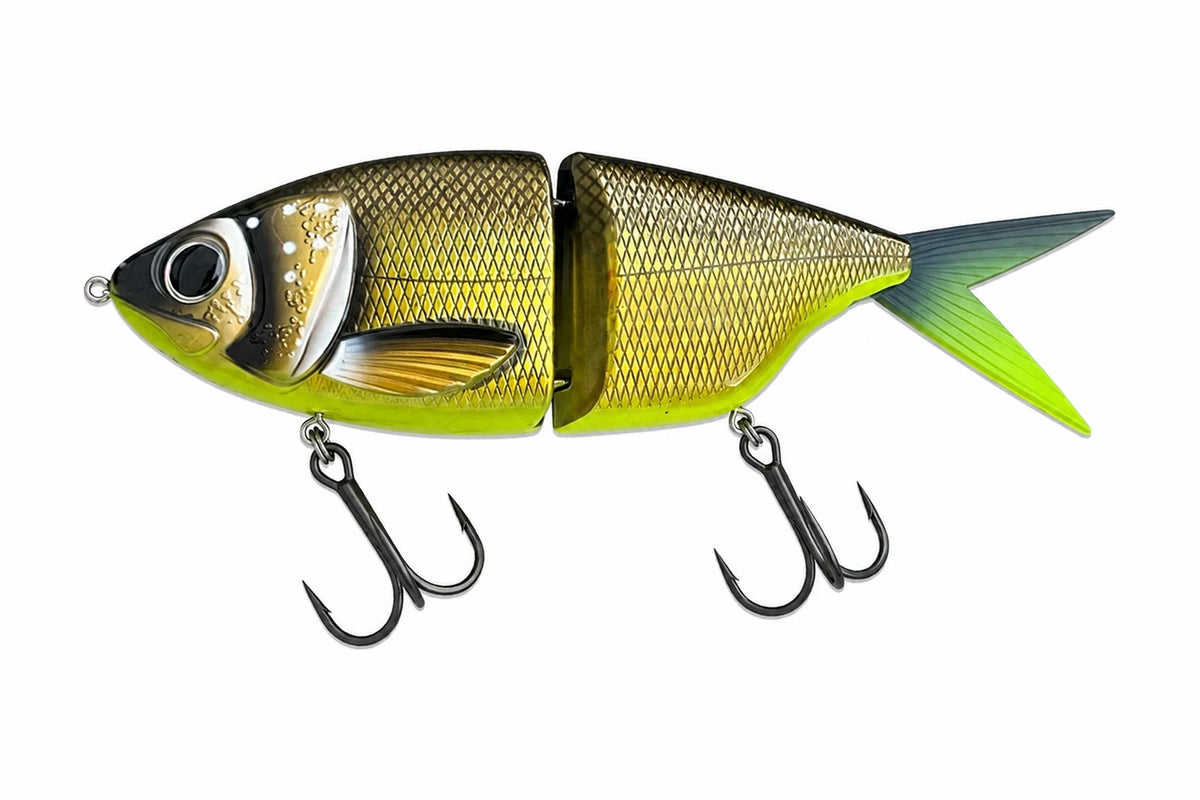
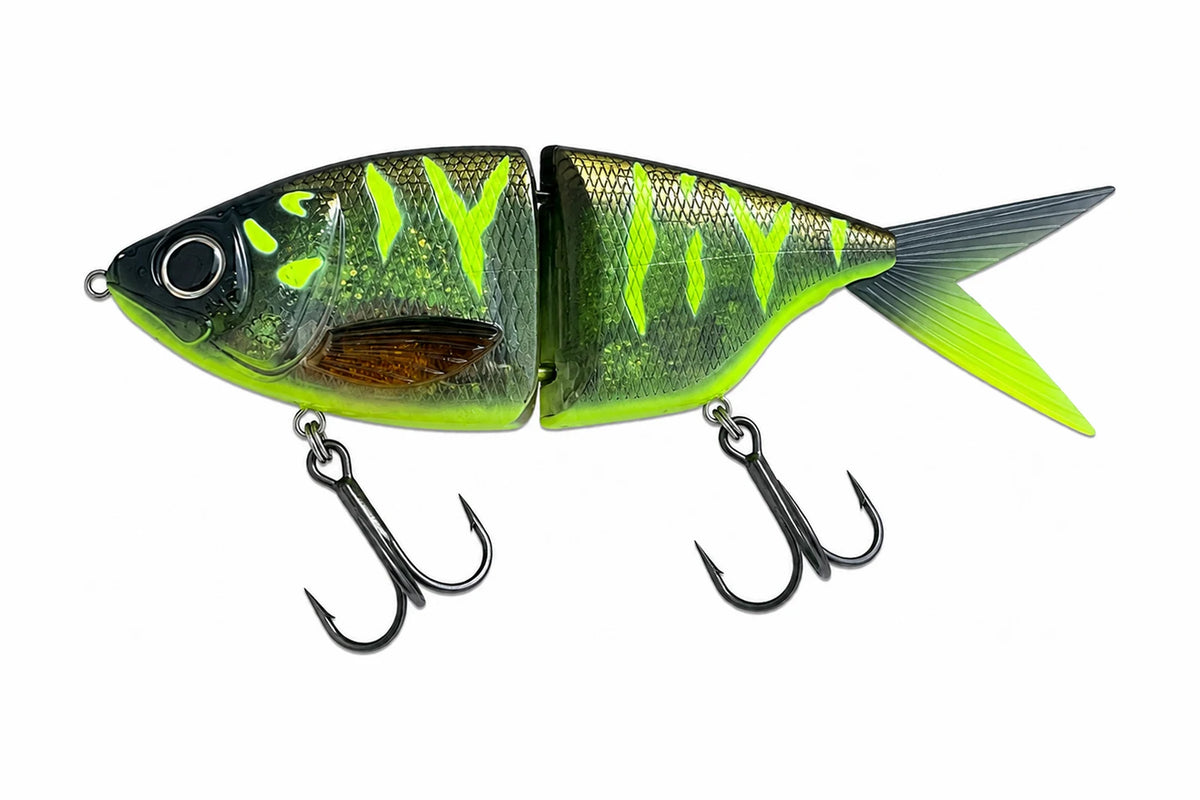
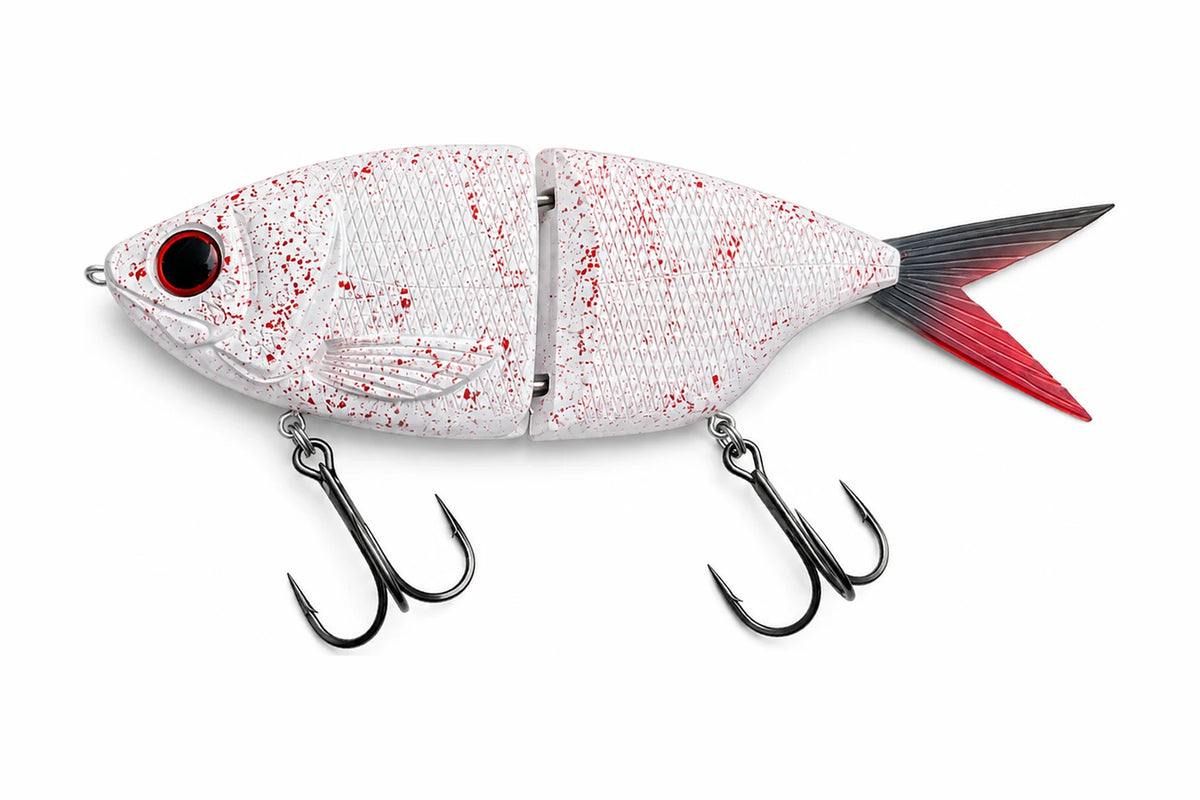
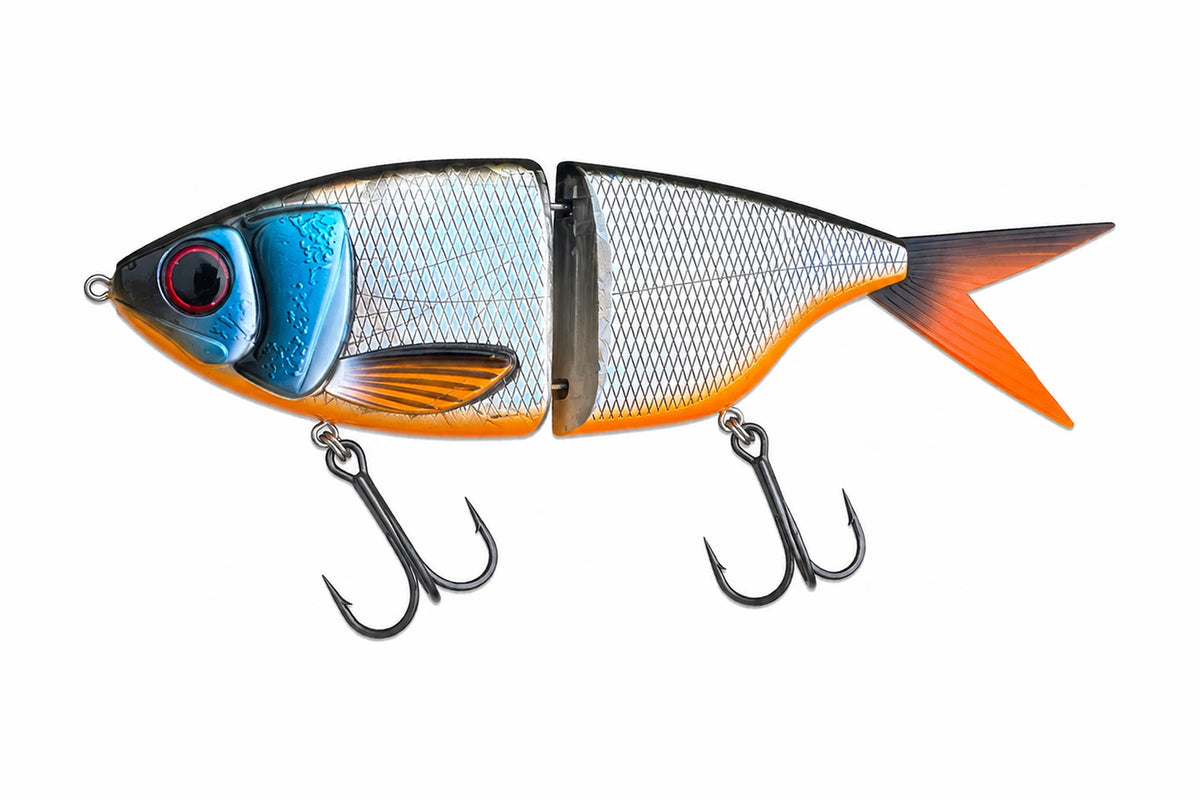
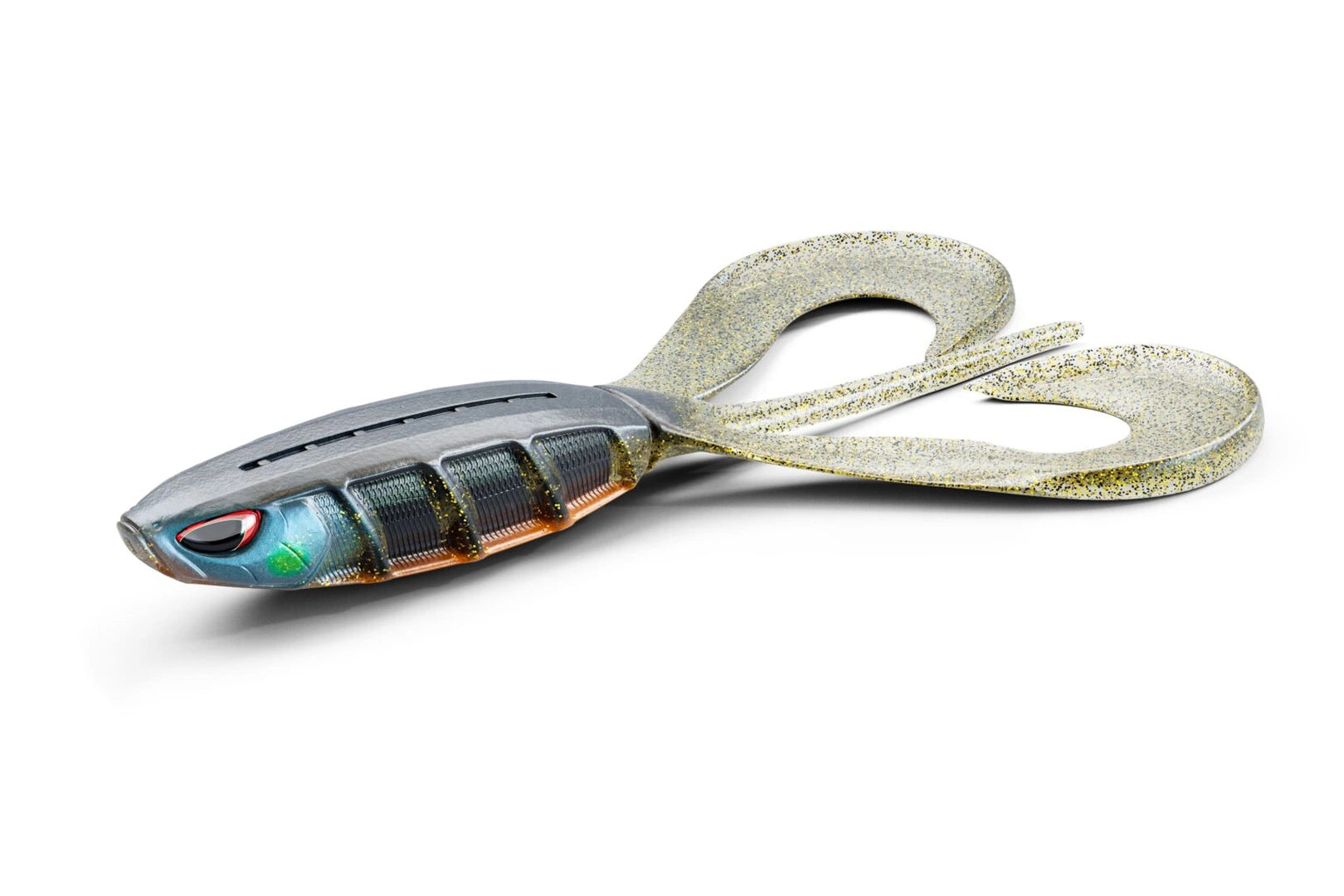
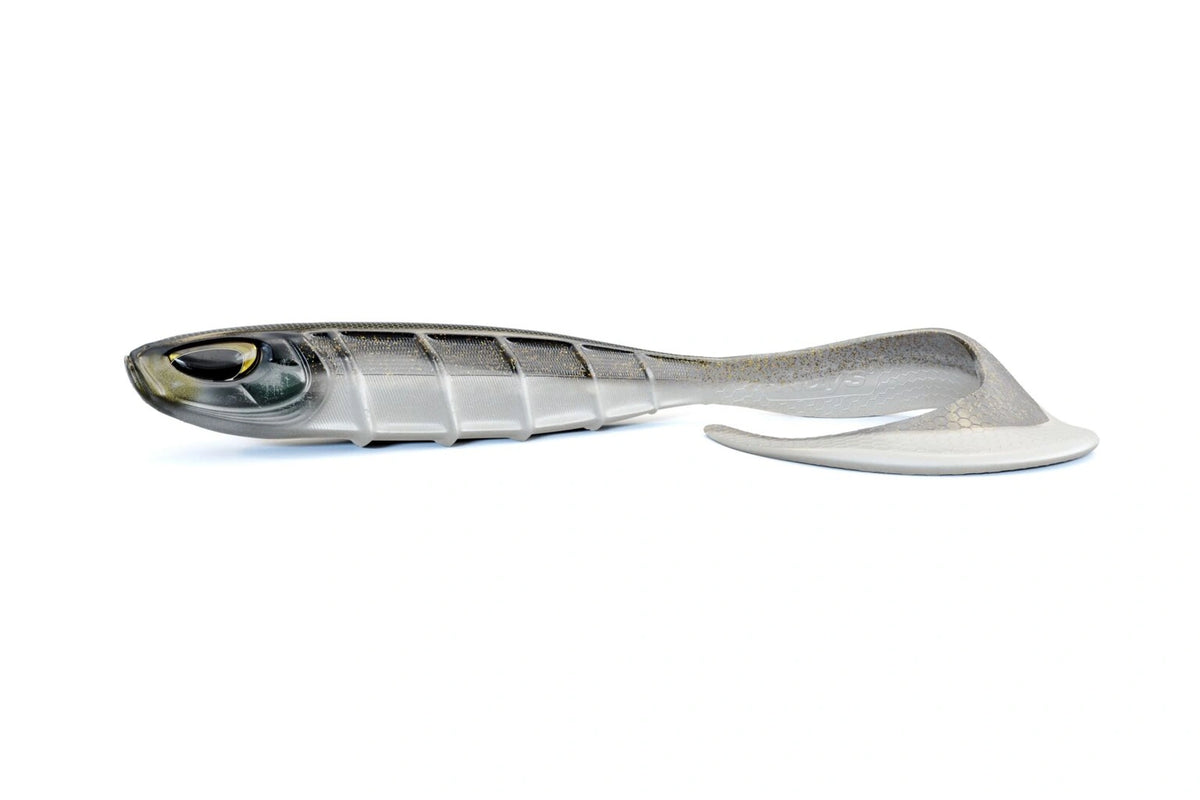
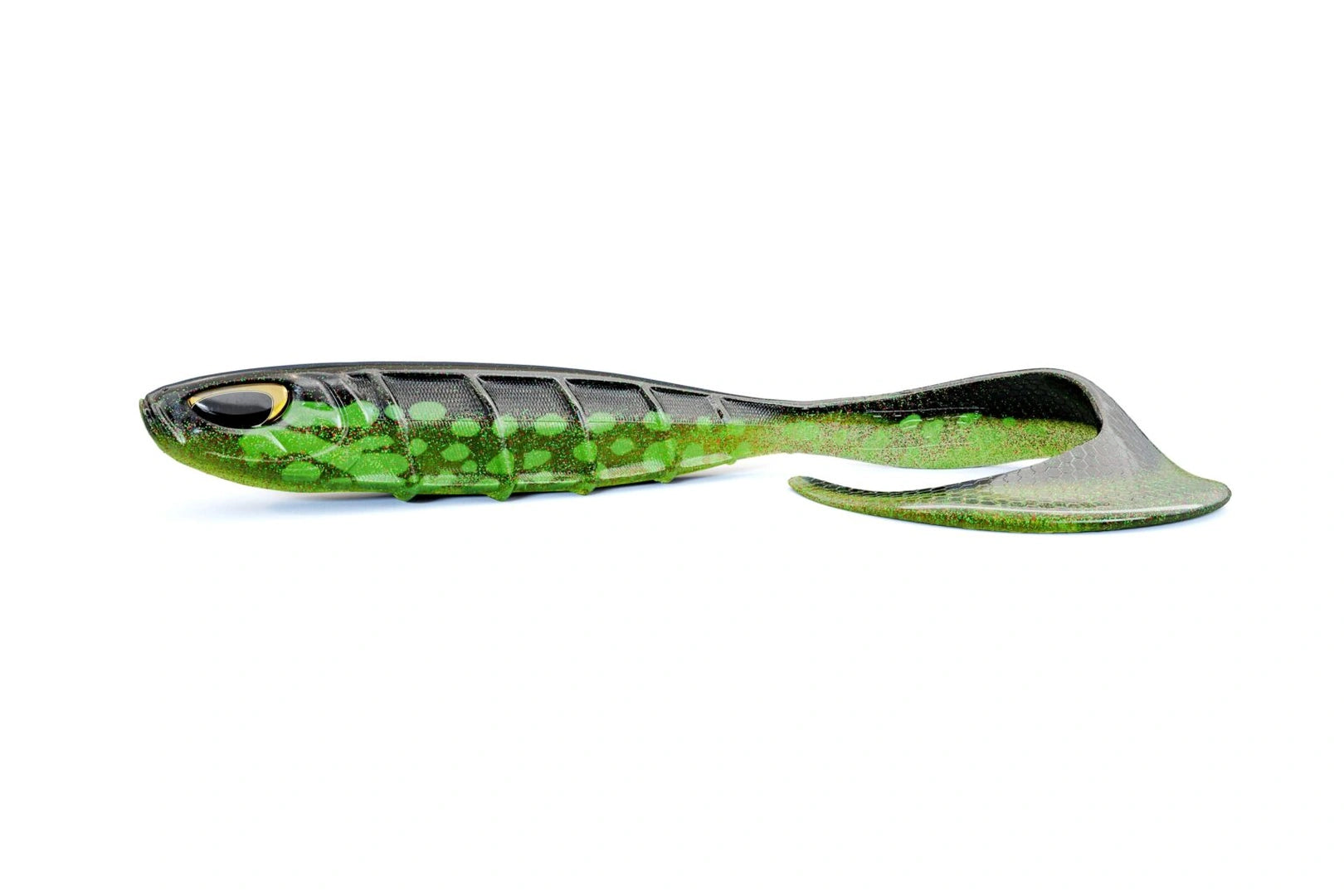
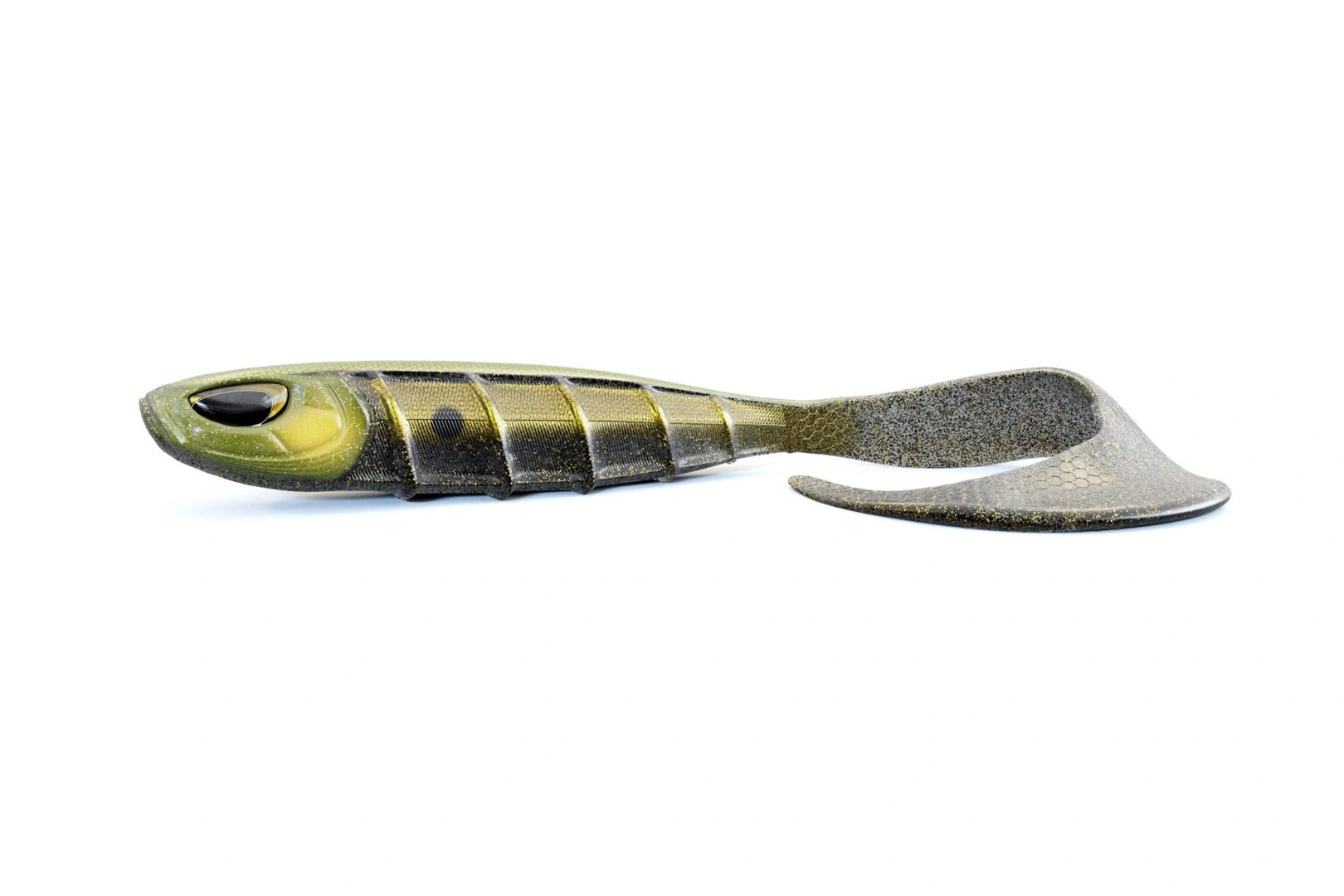
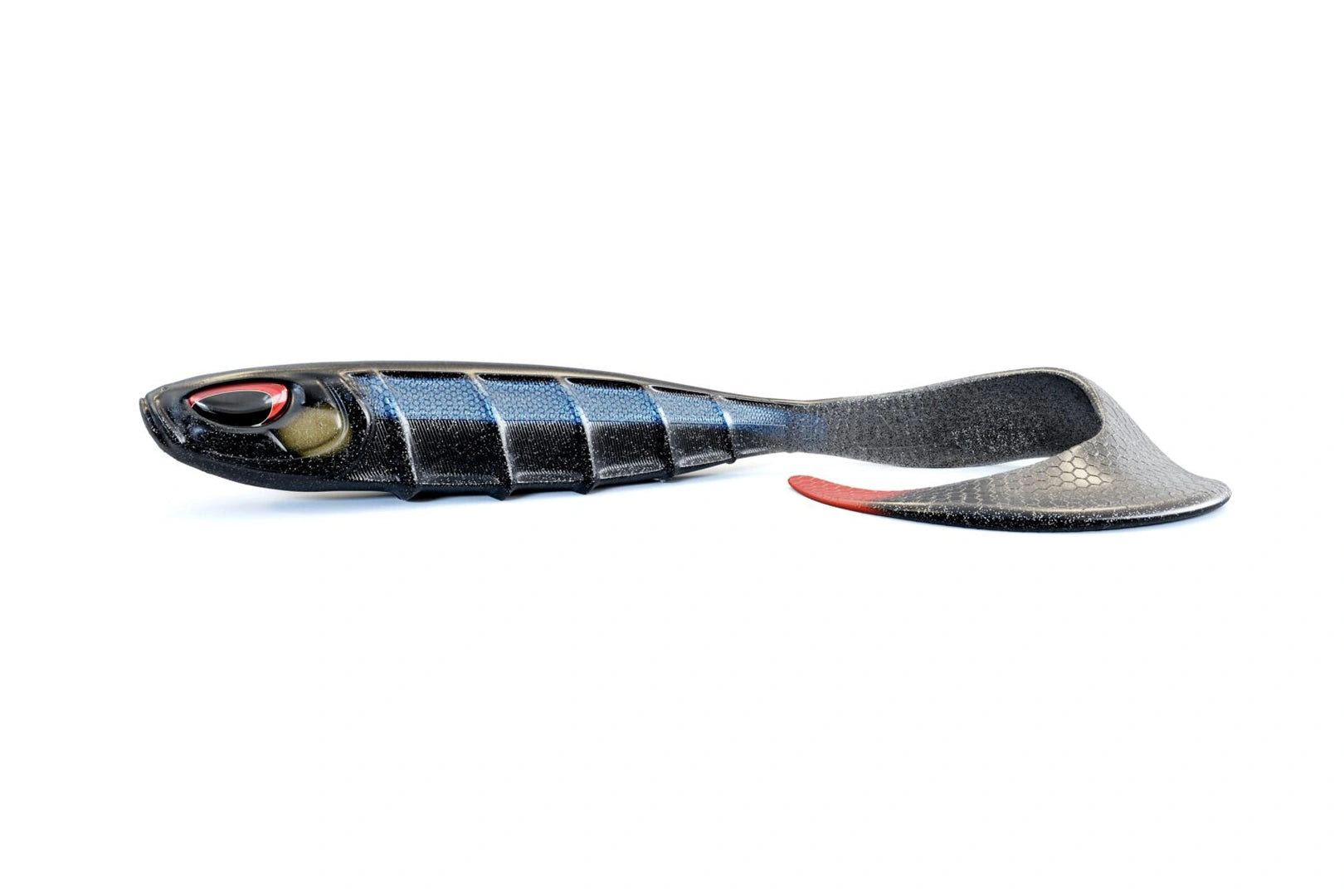
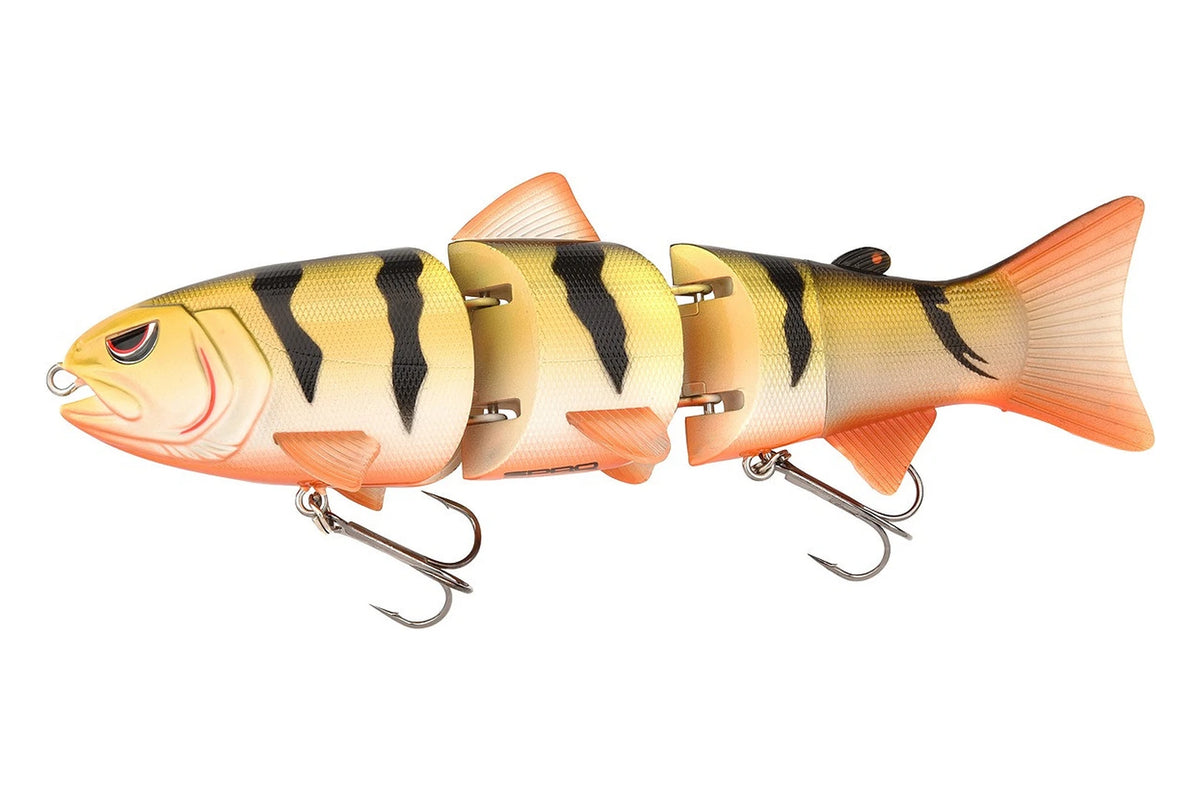
The Nays TRN 130 takes everything anglers love about the Nays TRN 190 and packs it into a smaller, lighter lure. It is a two-piece swimbait you can reconfigure on the bank: swap the lip, change the tail or clip on the weight, and the same bait swims high, runs deeper, glides wide or dead-walks slowly. Whether you are chasing pike in a weedy bay, zander along a drop-off or big perch around structure, the TRN 130 gives you one lure that can do the work of several.
We made a YouTube video about the Nays TRN 130. Here you can find the styles to fish the lure:
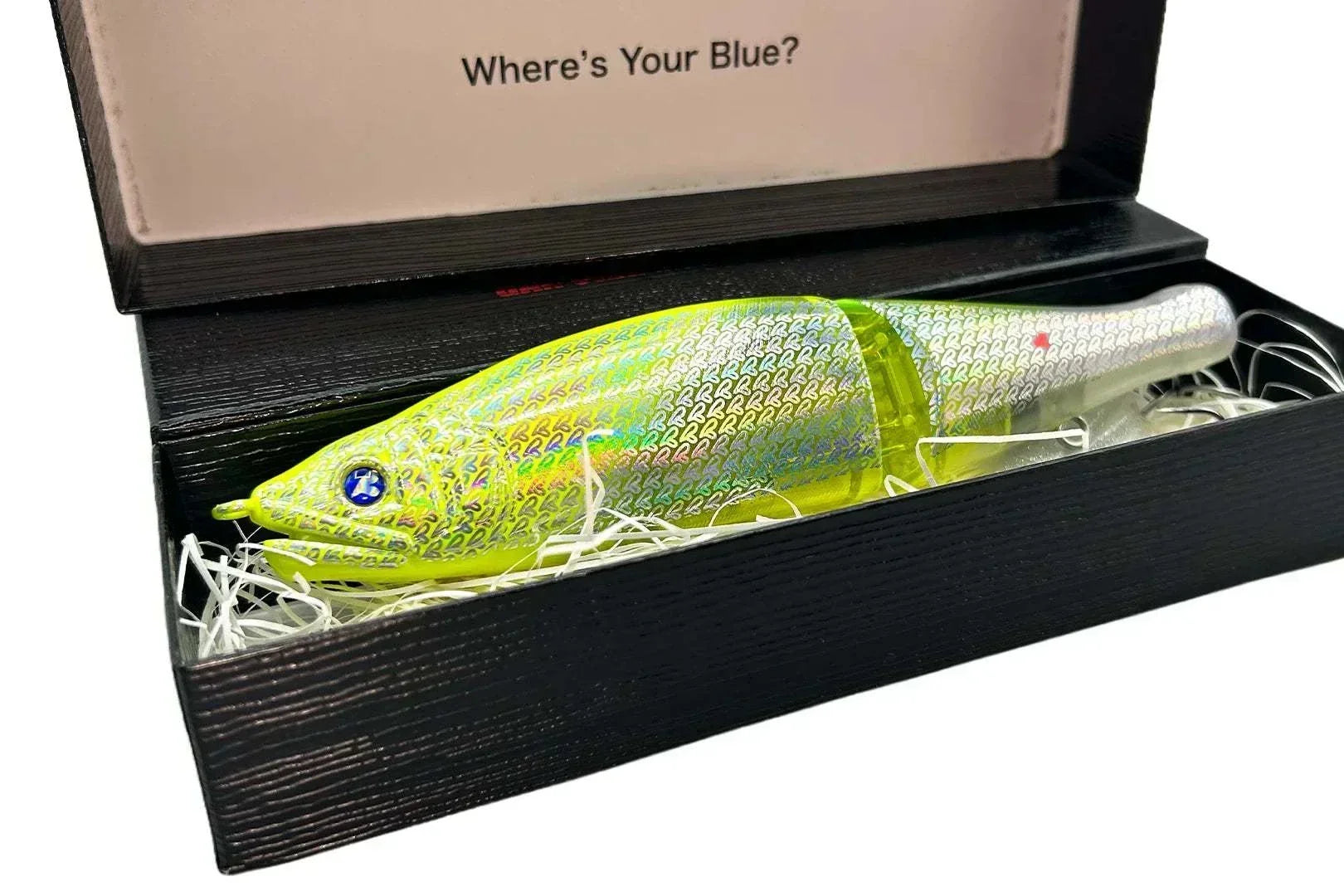
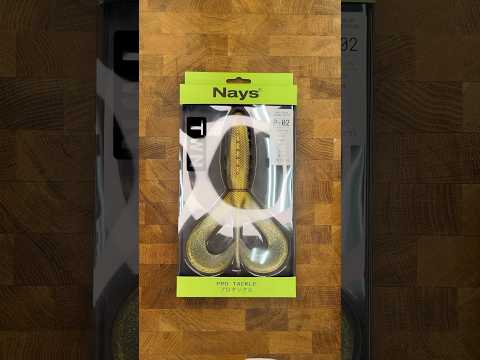
We also filmed a short unboxing of the Nays TRN 130 itself, so you can see exactly what comes in the box.
What Is the Nays TRN 130?
The Nays TRN 130 is the little brother of the Nays TRN 190. It is built around the same idea: one lure that you set up to match the water, the season and the mood of the fish. Instead of carrying a box full of swimbaits, you change the action of a single bait in seconds.
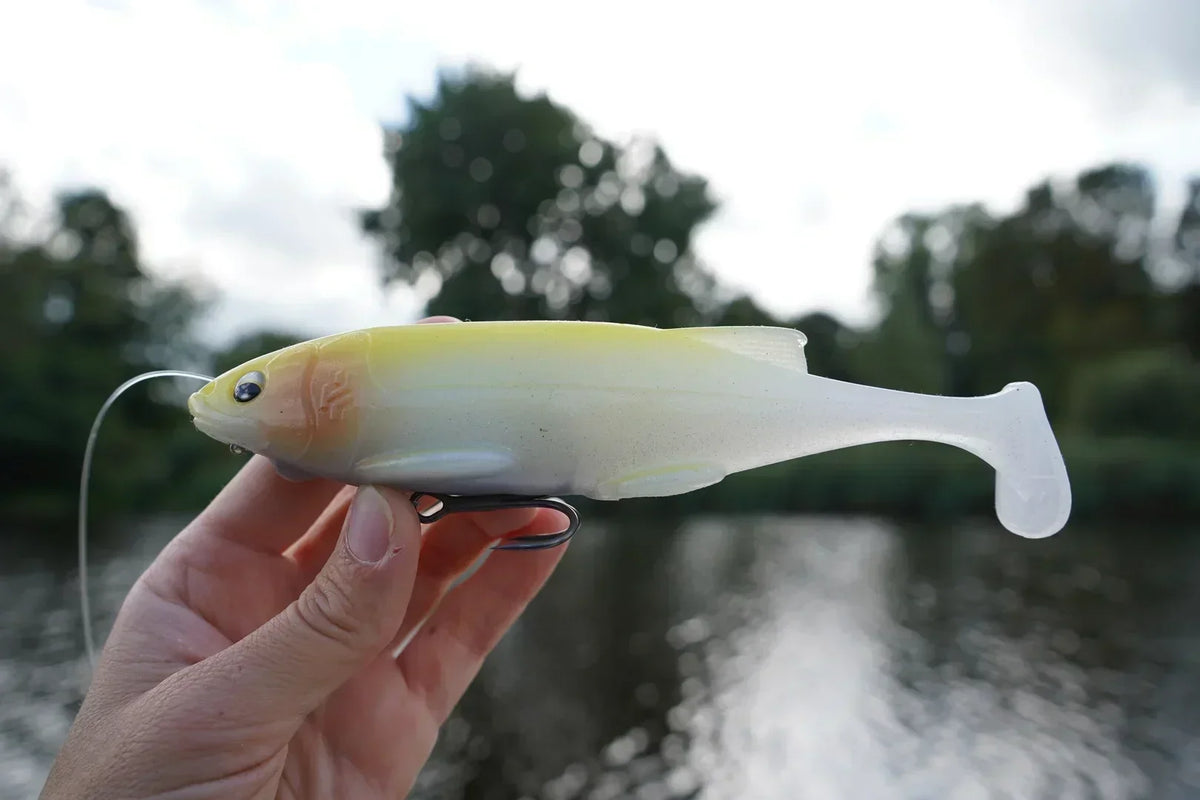
At 13 cm and 19 g it fits a lighter swimbait set-up than the 190. That opens it up to zander, perch and black bass as well as pike. Two swivels join the segments, so the rear section moves freely and the lure keeps a natural swimming action even on a slow retrieve.
Why Go for the Smaller TRN?
The TRN 190 is a proven big pike lure, but not every day and not every water calls for a 19 cm bait. The TRN 130 fills that gap:
-
Smaller waters where a big swimbait feels out of place
-
Days when the baitfish are small and the fish are picky
-
Zander and perch that often ignore larger profiles
-
Lighter rods that are not built for heavy lures
-
Anglers who want to try the TRN system before stepping up to the 190
You get the same Rapid Switch System and the same freedom to experiment, just in a size that fits more situations.

What Is in the Box
Straight out of the package, the Nays TRN 130 comes with everything you need to try every set-up in this article:
-
the TRN 130 swimbait with the fishtail fitted
-
a beaver tail
-
a small lip and a large lip
-
a 0.9 g clip weight
All lips and tails are also sold separately as spares, so a lost lip or a tail chewed up by a pike never ends your session.
What each piece does:
-
Fishtail: a natural swimming action that suits active fish
-
Beaver tail: a compact, slower movement for dead-walking and cold water
-
Small lip: subtle, slow side-to-side glides
-
Large lip: wider glides and bigger side-to-side sweeps
-
Clip weight: more depth and more hangtime on the pause
Nays TRN 130 Specifications
| Type | two-piece swimbait |
| Length and weight | 130 mm, 19 g with the fishtail; 110 mm, 20 g with the beaver tail |
| Buoyancy | slow floating |
| Clip weight | 0.9 g |
| Swivels | BKK Crane #4 (90 kg) |
| Hooks | 2 × BKK Hyperlatch Super Slide #6 |
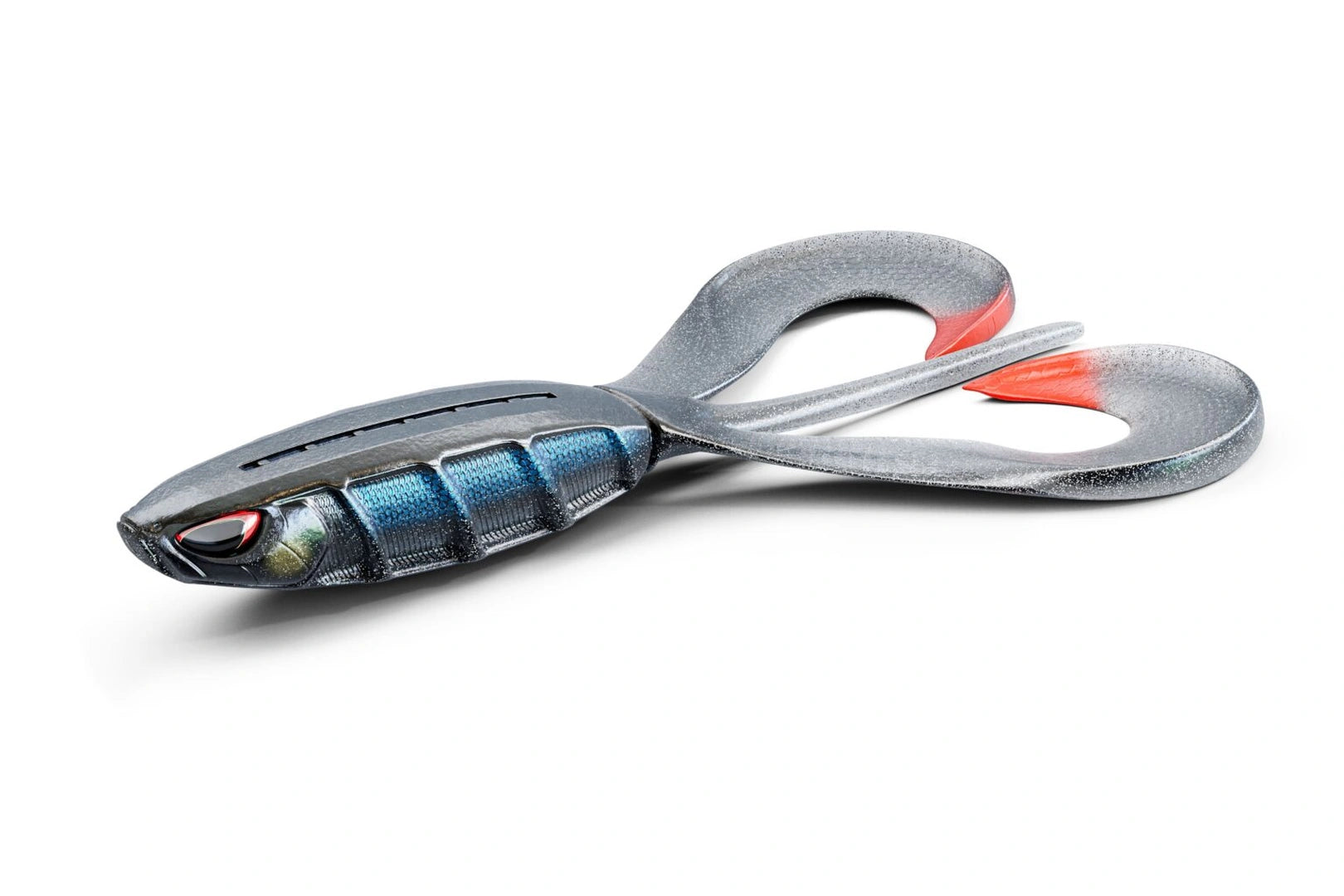
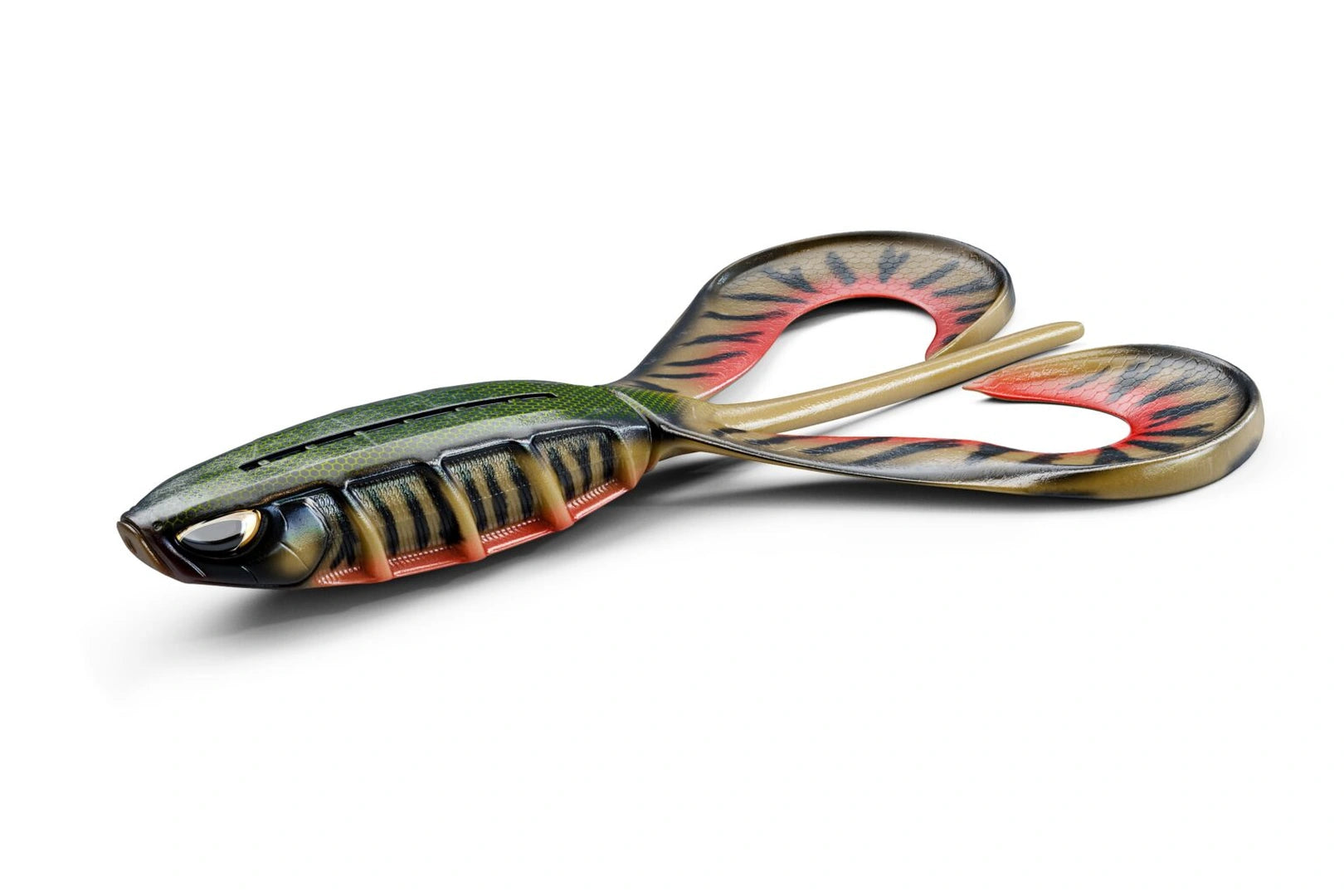
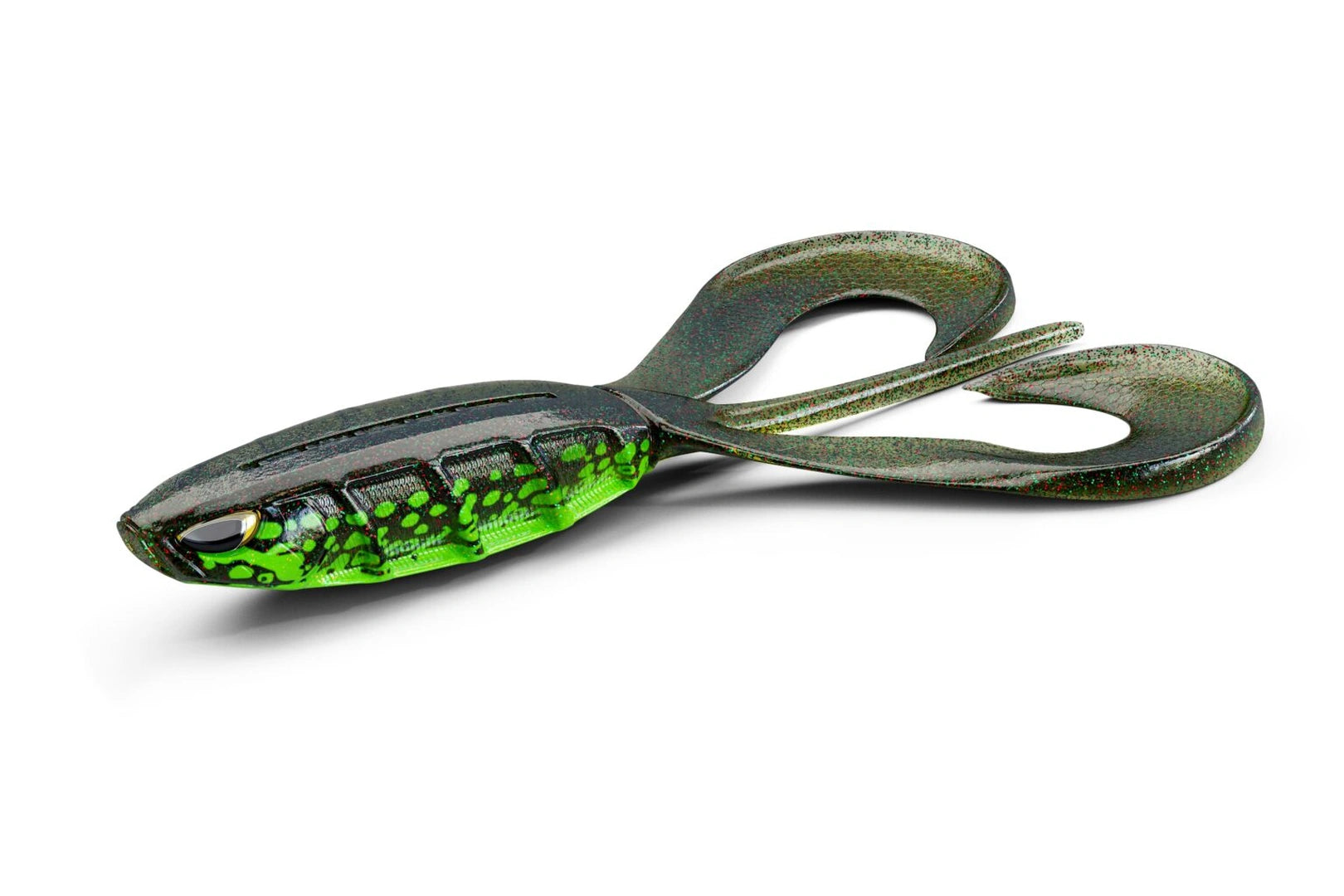
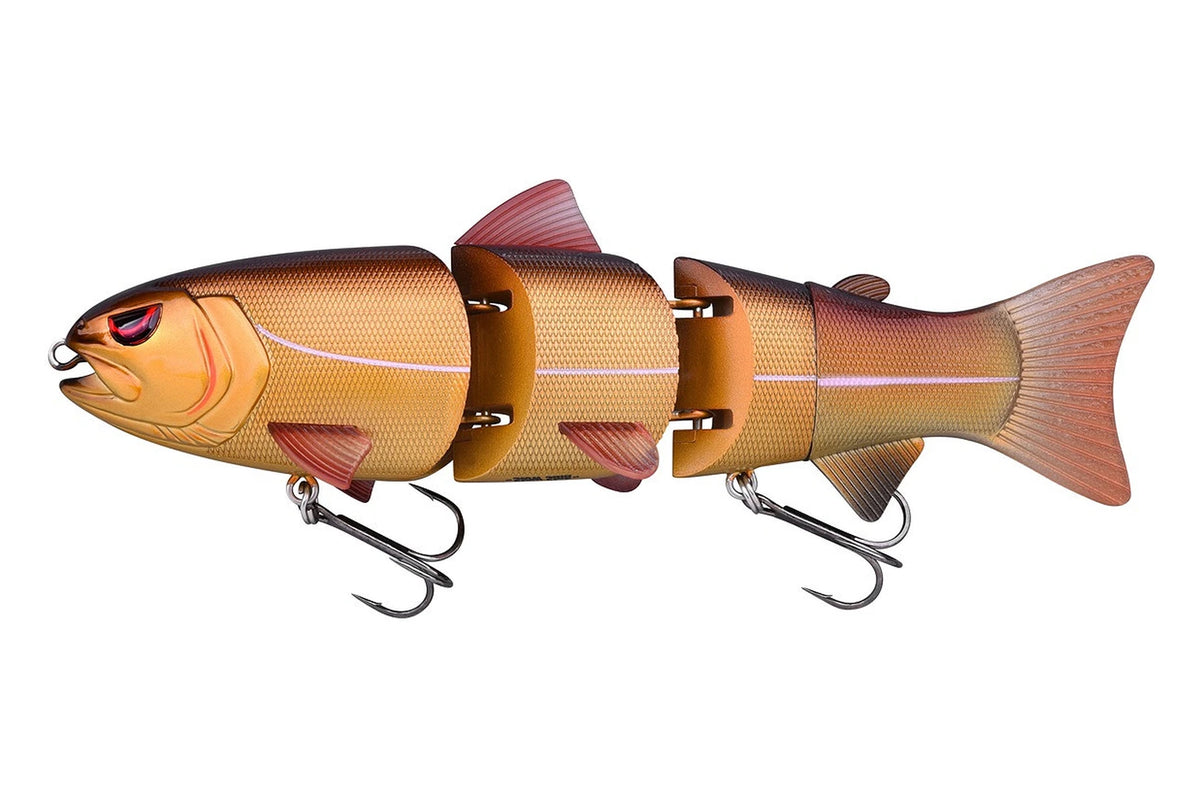
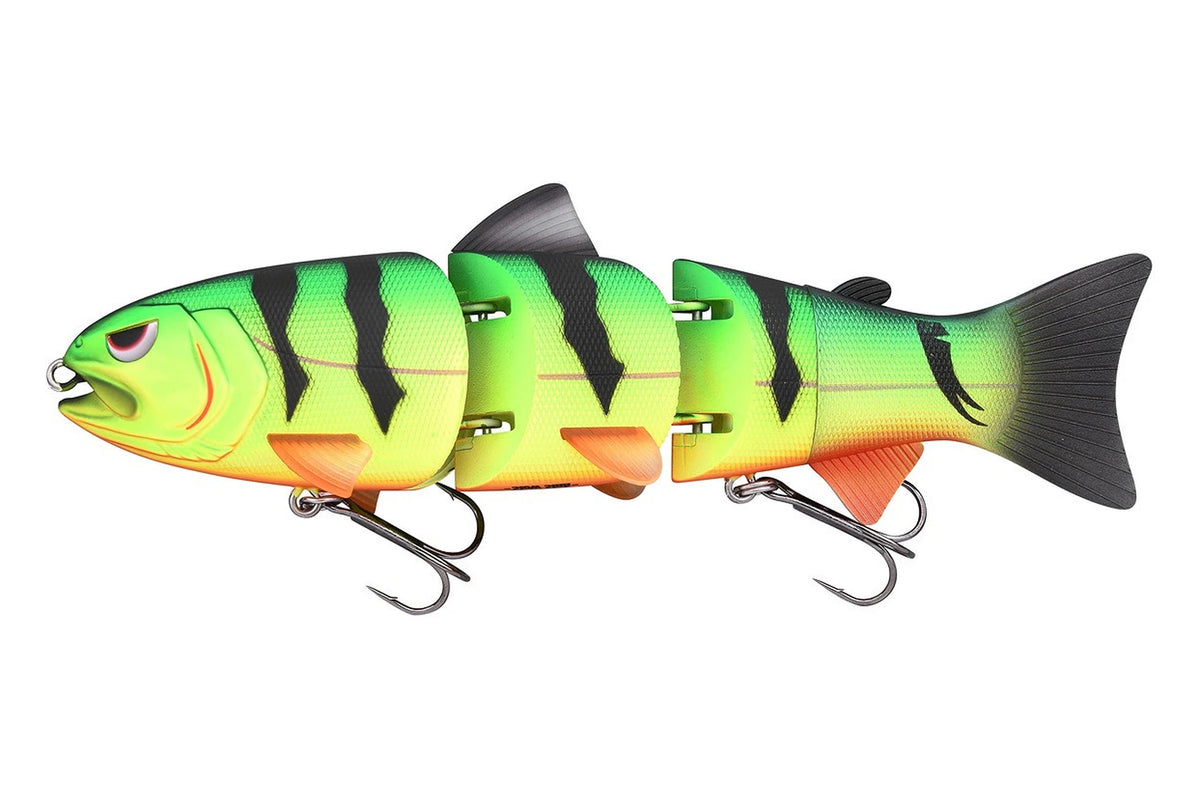
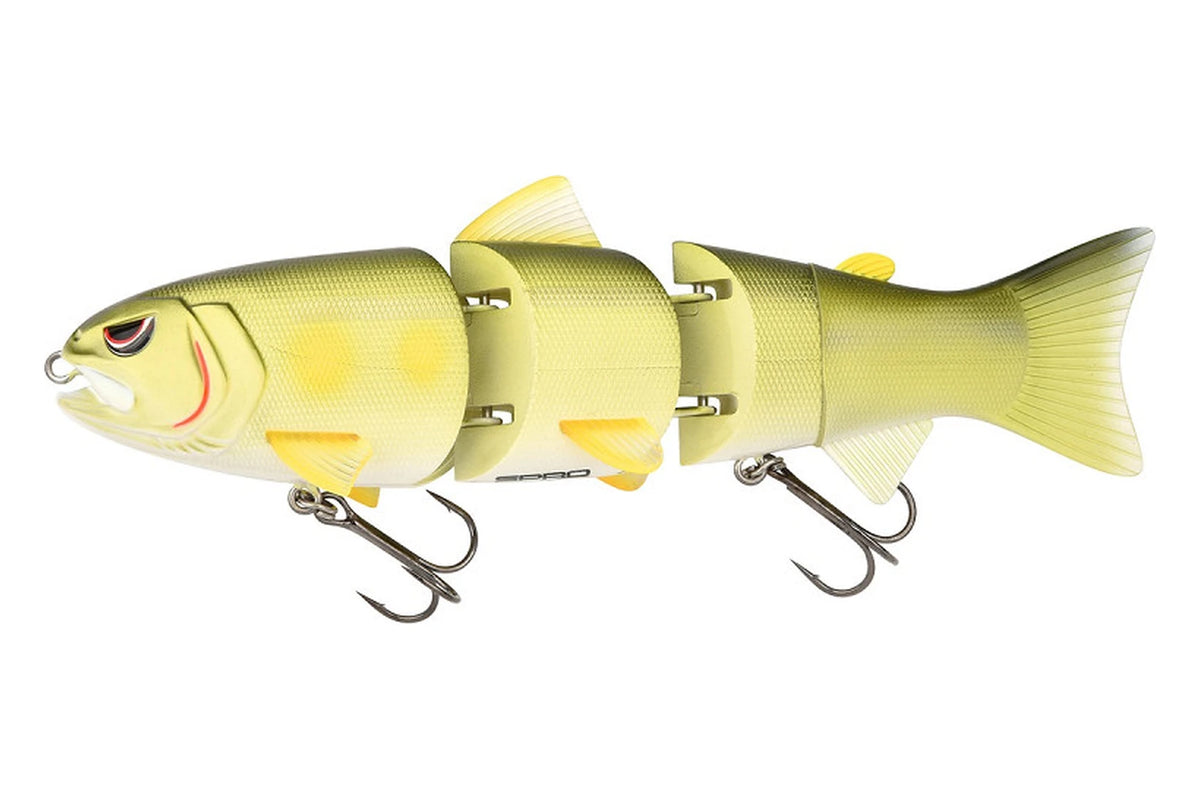
| Colours | 8 (S-20, S-33 to S-39) |
The BKK Hyperlatch Super Slide hooks are strong and razor sharp, and the BKK Crane swivels hold up to 90 kg. That is a lot of strength for a lure this size, so you can fish it with confidence around pike.
Four Ways to Fish the Nays TRN 130
This is where the TRN 130 really comes into its own. Each set-up has its own purpose, and switching between them takes seconds.

Set-up 1: Straight Out of the Box
With no extras fitted, fish the TRN 130 with short twitches. It swims high in the water column, so you can follow it with your eyes and keep it just above weed beds. A great choice for clear bays and shallow water where the fish are looking up.
Set-up 2: With the Clip Weight
Clip on the weight and fish it the same way, steady or with small twitches, but now a little deeper. The extra weight also gives the lure more hangtime on the pause, and that pause is often the moment the take comes. This is the set-up we reach for when zander or pike are holding a little deeper.
Set-up 3: Small Lip and Beaver Tail
Fit the small lip and the beaver tail and the TRN 130 turns into a dead-walk bait: a slow, subtle side-to-side movement for fish that won't chase a faster lure. The dead-walk is famous for tempting big fish that follow but don't commit, and it tends to work best in cold water when pike and bass are passive.
Set-up 4: The Large Lip
The large lip gives a wider side-to-side action. It works well for dead-walking, but also on a steady retrieve when you want the bait to cover more water and pull fish in from further away.

Fishtail vs Beaver Tail: Which One When?
The fishtail gives the most life and a natural swimming look. It works best when the water is warmer and the fish are active and willing to chase. The beaver tail tightens up the movement and slows everything down, which makes it the go-to for cold water and for predators that follow without biting. Try both on the same spot: it is often the quickest way to turn followers into takes.
When and Where the Nays TRN 130 Works Best
The TRN 130 can be fished all year round, but each season asks for a slightly different approach:
-
Winter: small lip, beaver tail and long pauses for passive fish
-
Spring: fishtail and twitches for fish that are starting to feed
-
Summer: no extras, high in the water column above the weed beds
-
Autumn: clip weight on to reach the deeper zones where the baitfish gather
TRN 130 or TRN 190?
| Nays TRN 130 | Nays TRN 190 | |
|---|---|---|
| Length | 130 mm (fishtail) | 190 mm (fishtail) |
| Weight | 19 g | 56 g |
| Best for | pike, zander, perch and bass on a lighter set-up | big pike on a heavy set-up |
Reach for the 130 when you fish smaller waters, when the baitfish are small, or when your rod is better suited to lighter lures. The 190 is the one for big pike and long casts. Many anglers end up carrying both.
Tips to Get the Most Out of the TRN 130
-
Slow down. Like any glidebait, the TRN 130 often works best when you give it time to move.
-
Use the pause. A short twitch followed by a stop is often when the take comes.
-
Don't stick to one set-up. If the fish follow but won't bite, switch the tail or the lip before you switch the lure.
-
Fish at the right depth. The clip weight can make the difference between followers and bites.
-
Use a wire or titanium leader whenever pike might be around.
Our Experience With the Nays TRN
The TRN system has proven itself to us on the 190, and the 130 brings that same versatility to a smaller size. What we like most is how quickly you can adapt on the bank without changing lures. It does take some practice to know when each set-up works best, so we generally recommend it to anglers who already have some lure fishing experience and enjoy tuning a bait to the conditions. Once you get the hang of it, it becomes a real all-rounder.
For the full background on the system, read our guide Reviews and Everything You Need to Know About the Nays TRN.
Frequently Asked Questions About the Nays TRN 130
What is the difference between the TRN 130 and the TRN 190? The 130 is 13 cm and 19 g, the 190 is 19 cm and 56 g. Same system, different size class.
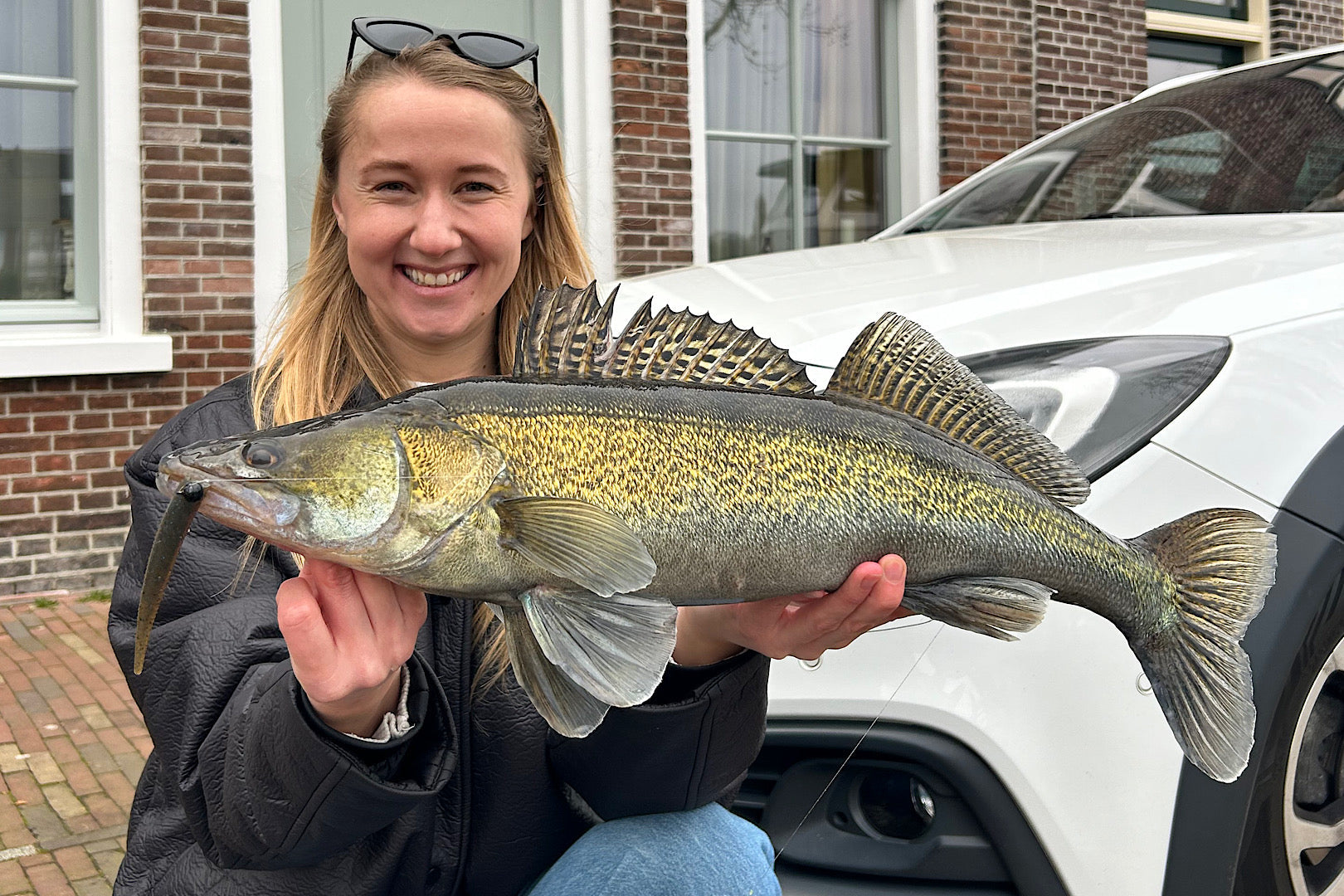
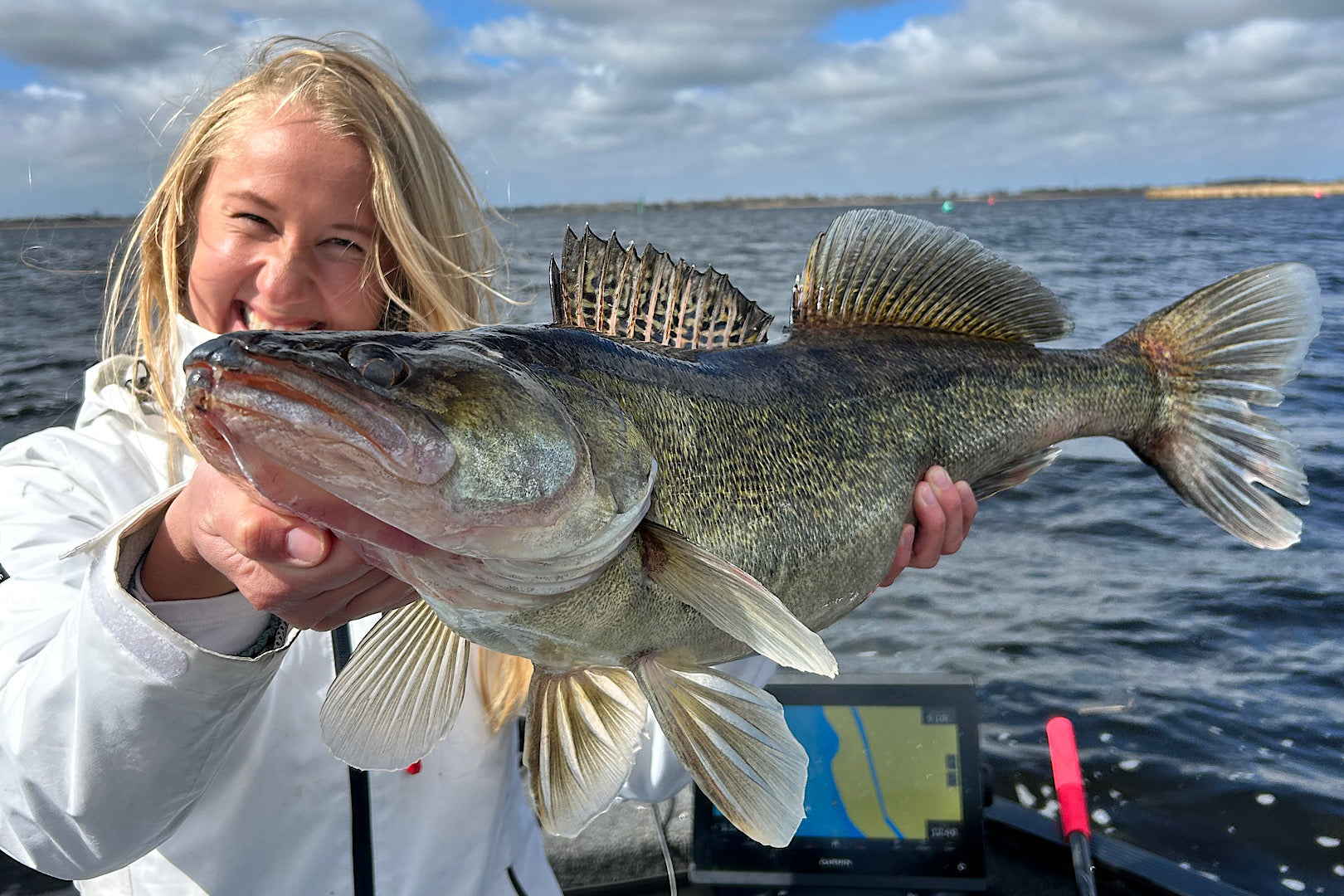
Which fish can I target with it? Pike, zander, perch and black bass.
Does it float or sink? It is slow floating; the clip weight takes it deeper.
Which tail is best for slow retrieves? The beaver tail.
Can I buy spare lips and tails? Yes, all lips and tails are sold separately.
Where to Buy the Nays TRN 130
You can order the Nays TRN 130 in all eight colours at charliesfishing.com. Tight lines!






Share:
Savage Gear Wide Glide Scandal: Two Sizes, Three Retrieves