




Rapala Super Shadow Rap Glide 11



























Discover all our brands







Zander Glidebaits
Zander glidebaits at Charlie's Fishing: compact glidebaits and swimbaits for big zander
This page brings together our glidebaits for zander: compact gliders of 12 to 15 cm that a zander can take in one go, the bigger glidebaits and jointed swimbaits for the largest fish, and the weights and spare parts you use to set how fast they sink. A glidebait is not the first lure most zander anglers tie on, but on the days when zander ignore a shad on a jig head, a slow glider with long pauses often brings the biggest fish of the session. The page is for anglers who already fish zander with softbaits and want to add a hardbait that works in the top half of the water, and for swimbait anglers who want to target zander on purpose. Below you read why the smaller sizes work so well, how to choose the sink rate, how to fish the slow glide, what to do at night and which rod and line you need. For the complete zander range, including shads, jig heads and leaders, see Zander.
Why glidebaits of 10 to 15 cm work for zander
Zander and pike eat differently. A pike attacks sideways and clamps a big prey fish; a zander takes a baitfish head first and swallows it. That is why the big pike glidebaits of 20 cm and more catch zander only now and then, while a glider of 12 to 15 cm gets eaten properly. The size matches the roach, bleak and small perch that most zander feed on, the profile is wide enough to draw a fish up from the bottom, and the lure is small enough for a zander to take in one go, so the trebles end up in the mouth and not on the outside of the head. A compact glidebait also sinks and glides more quietly than a big one. Where a 25 cm glider slaps the water on every turn, a 13 cm glider slides. Zander, especially pressured zander in clear canals and lakes, respond better to that calm movement. And the smaller sizes weigh 20 to 50 g, so you fish them on the same medium heavy spinning or baitcasting rod you use for bigger shads instead of a dedicated big bait set. The sweet spot for zander on most Dutch and German waters is 12 to 14 cm; go up to 15 to 18 cm in autumn and on big rivers and lakes, where the zander hunt larger baitfish.
Compact glidebaits and swimbaits of 12 to 15 cm
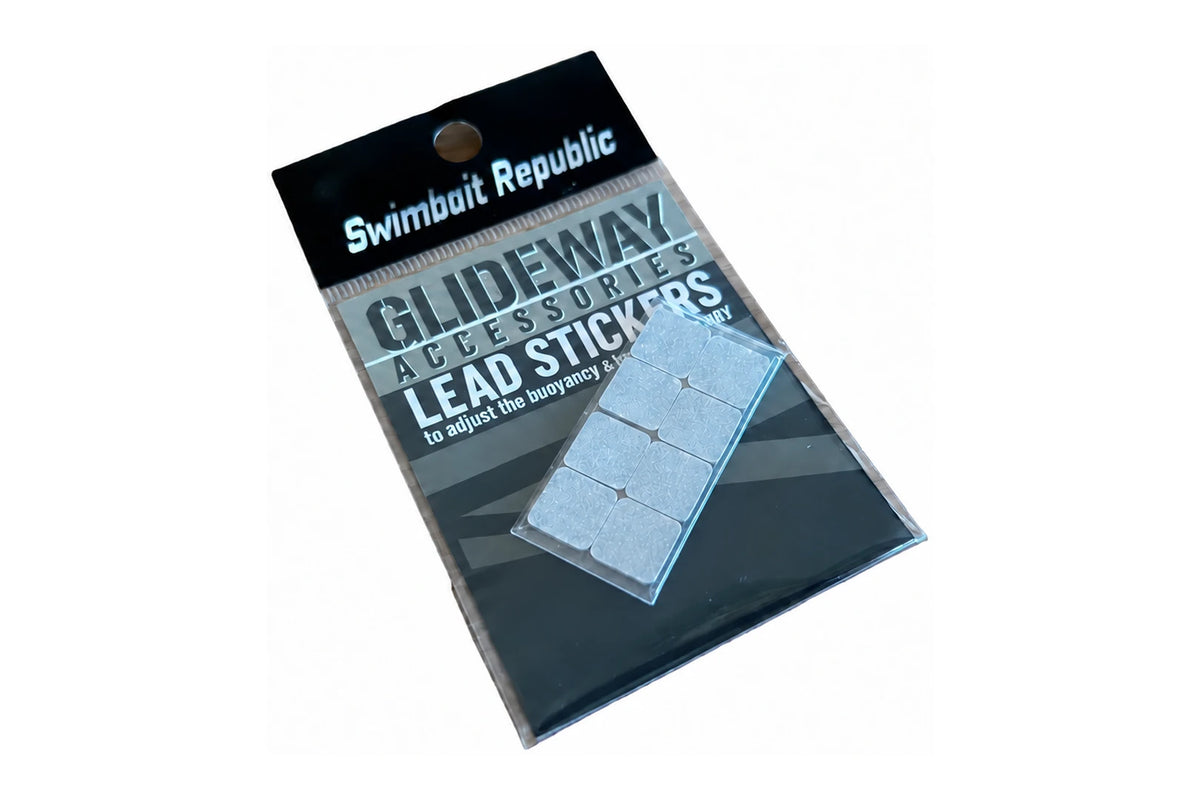
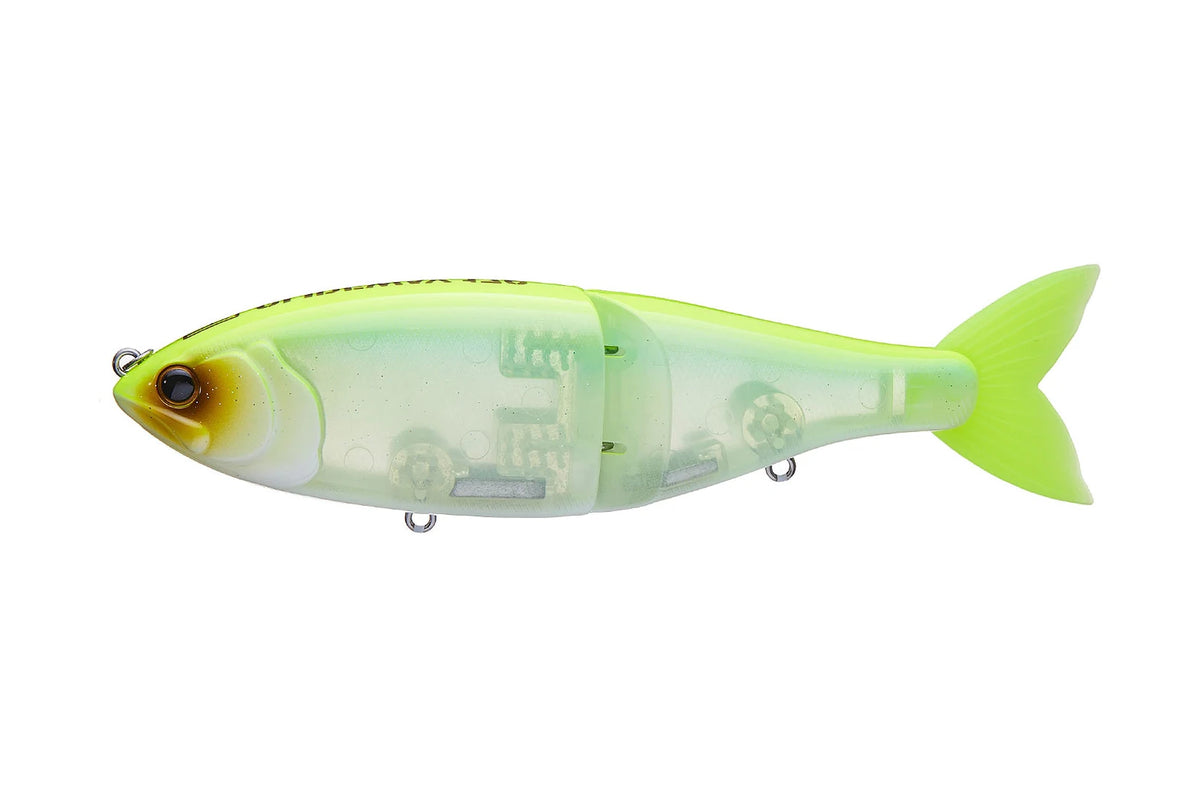
The Swimbait Republic Glideway 126 (12.6 cm, 29.5 g) is the glidebait we recommend first for zander. It comes with two lead weight stickers and a spare tail: without stickers it rises slowly, with one sticker it suspends in mid-water, with both it sinks in a controlled way towards the bottom. The glide is slow and the lure holds a natural posture the moment you stop it, and that pause is where most zander take it. It is made for a lighter baitcaster and for pressured fish that have seen the big lures. Extra Swimbait Republic Glideway 126 Weight Stickers (0.7 and 1.0 g, 10 per pack) let you fine-tune the sink rate further. The Illex Freddy 130 CW Noisy (13 cm, 20.9 g) is a sinking two-section glider with a rattle that runs from just under the surface to about 0.6 m and deeper. On a straight retrieve it swims a smooth S-curve, short twitches make it glide left and right, and the sound helps a zander track it in coloured water and low light. The product page names pike and black bass; for zander we use it the same way, with a slow retrieve and stops. The Savage Gear Deviator Swim (12.5 cm, 50 g) is a compact glidebait with a smooth side-to-side glide on a steady retrieve and a predictable action on subtle twitches, made for clear water and fish that follow. It is heavy for its size, so it casts a long way from the bank.
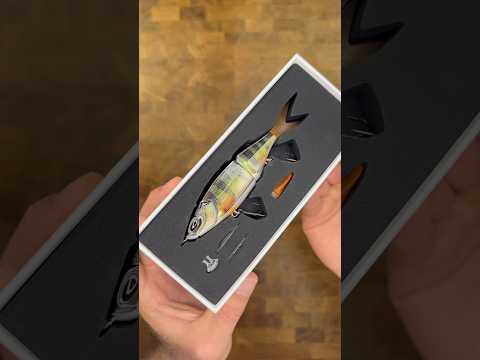
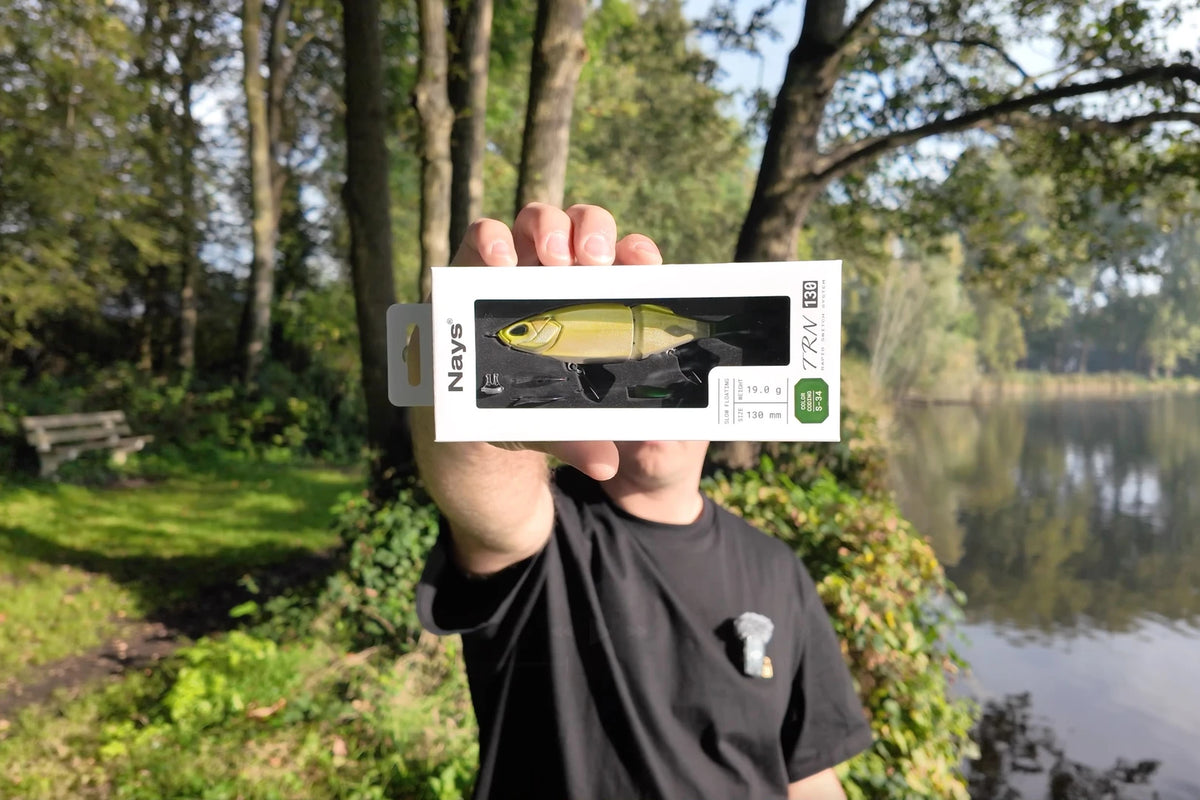
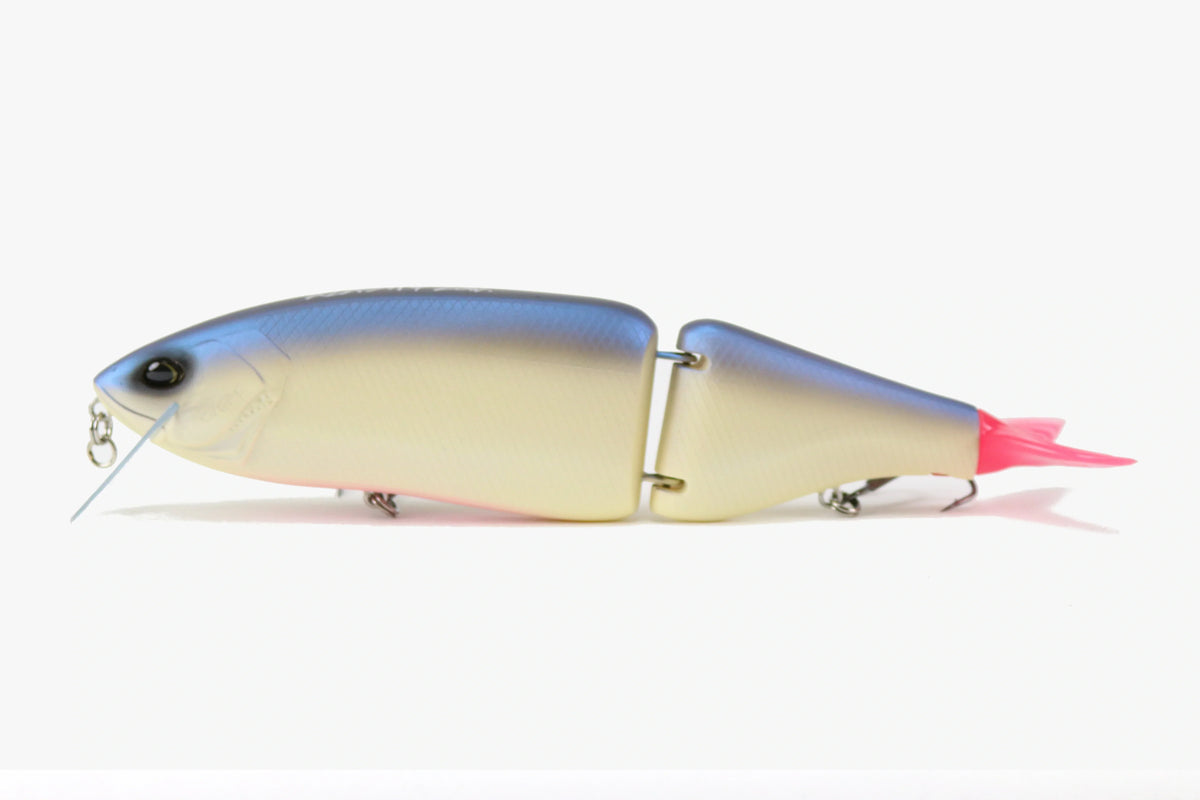
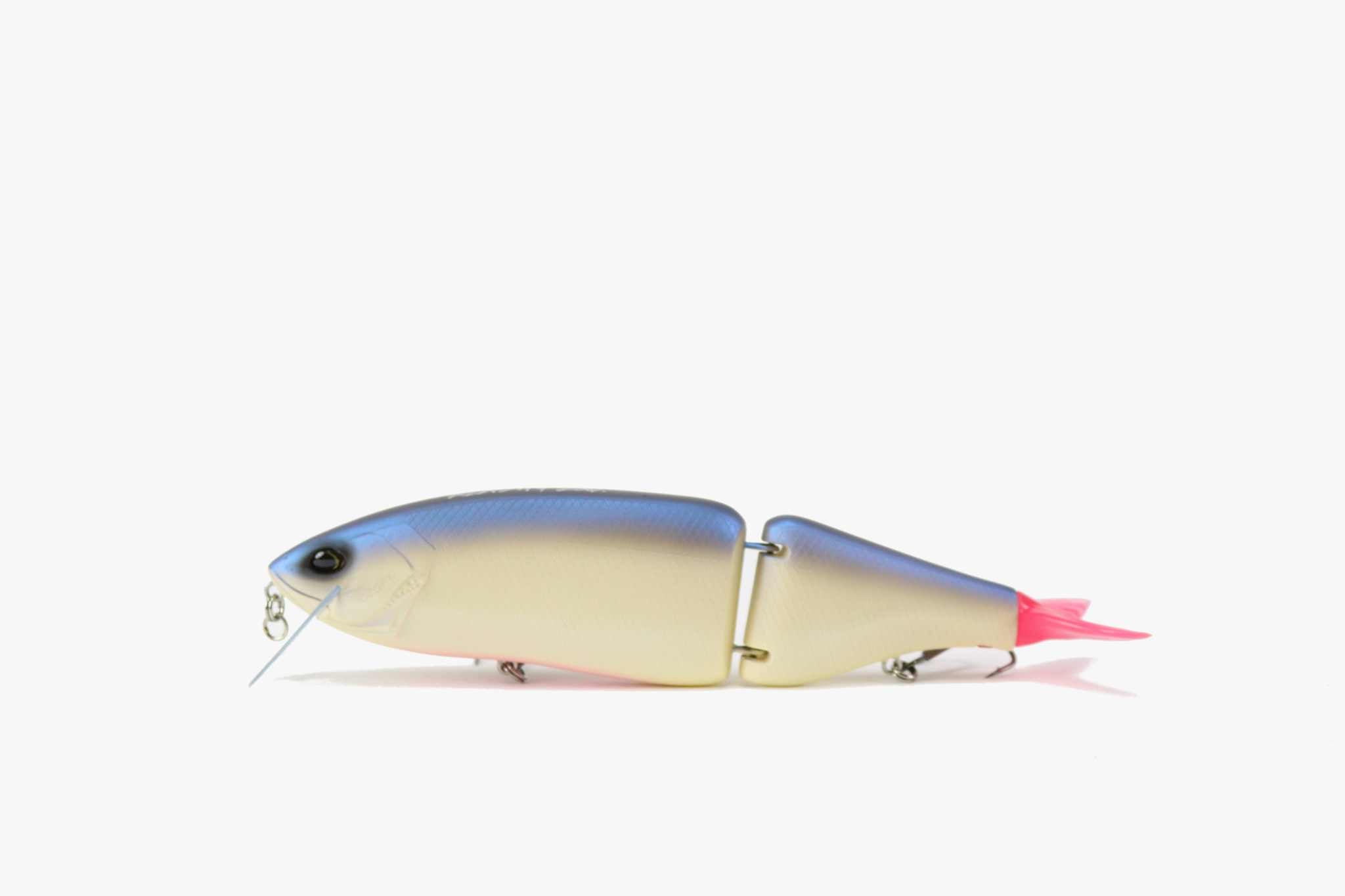
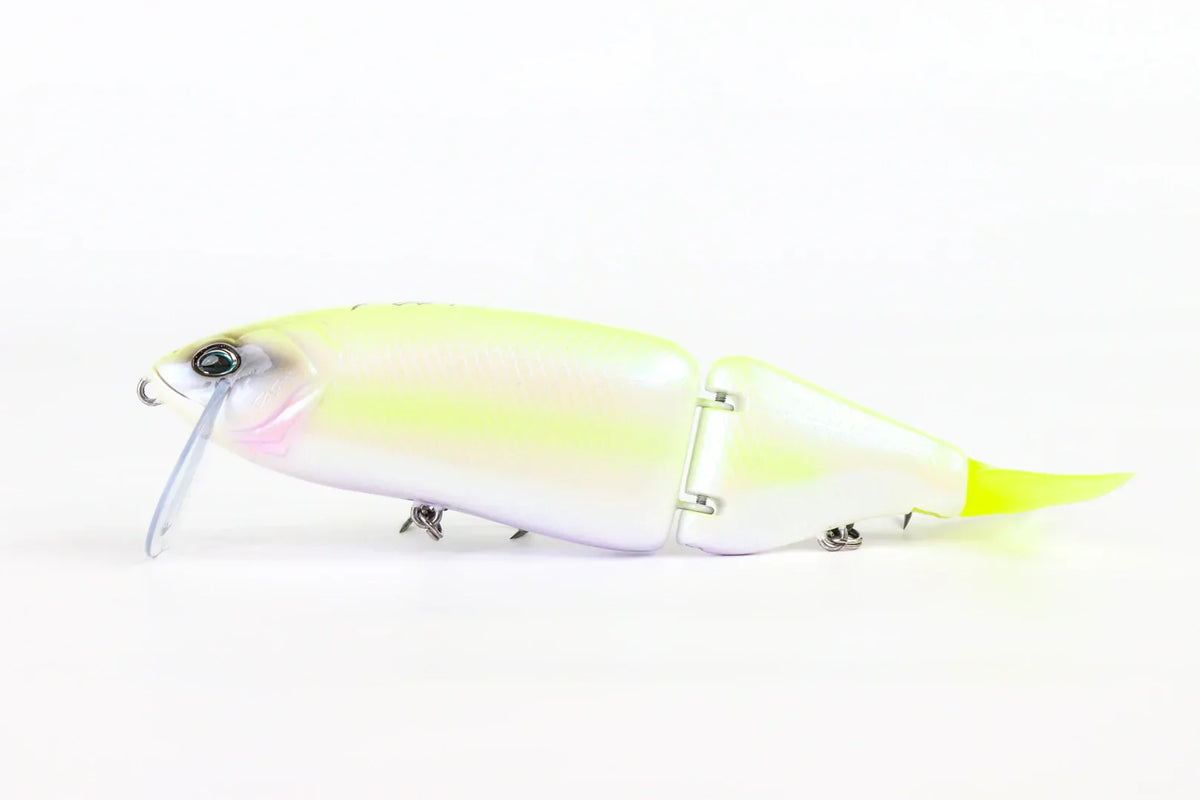
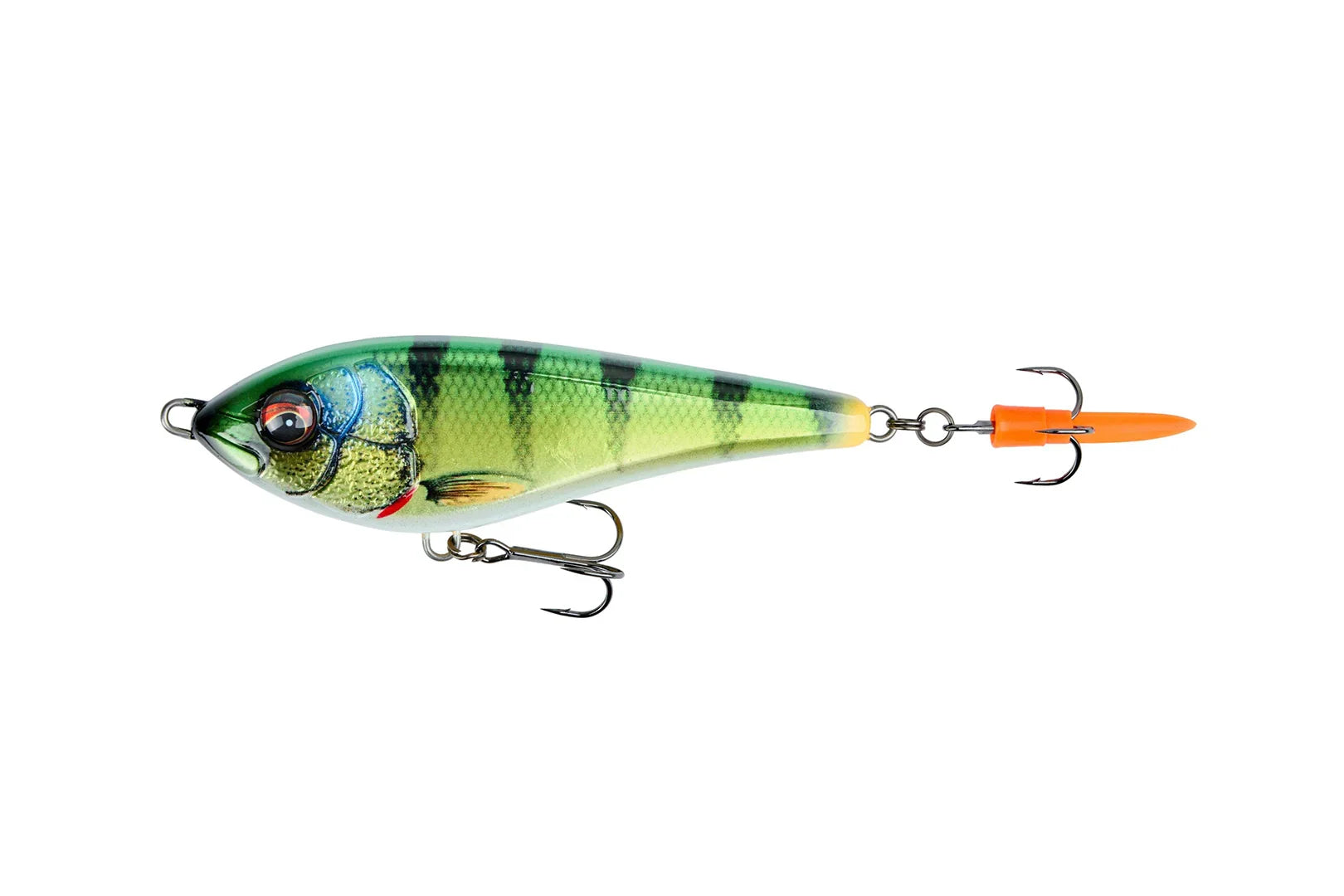
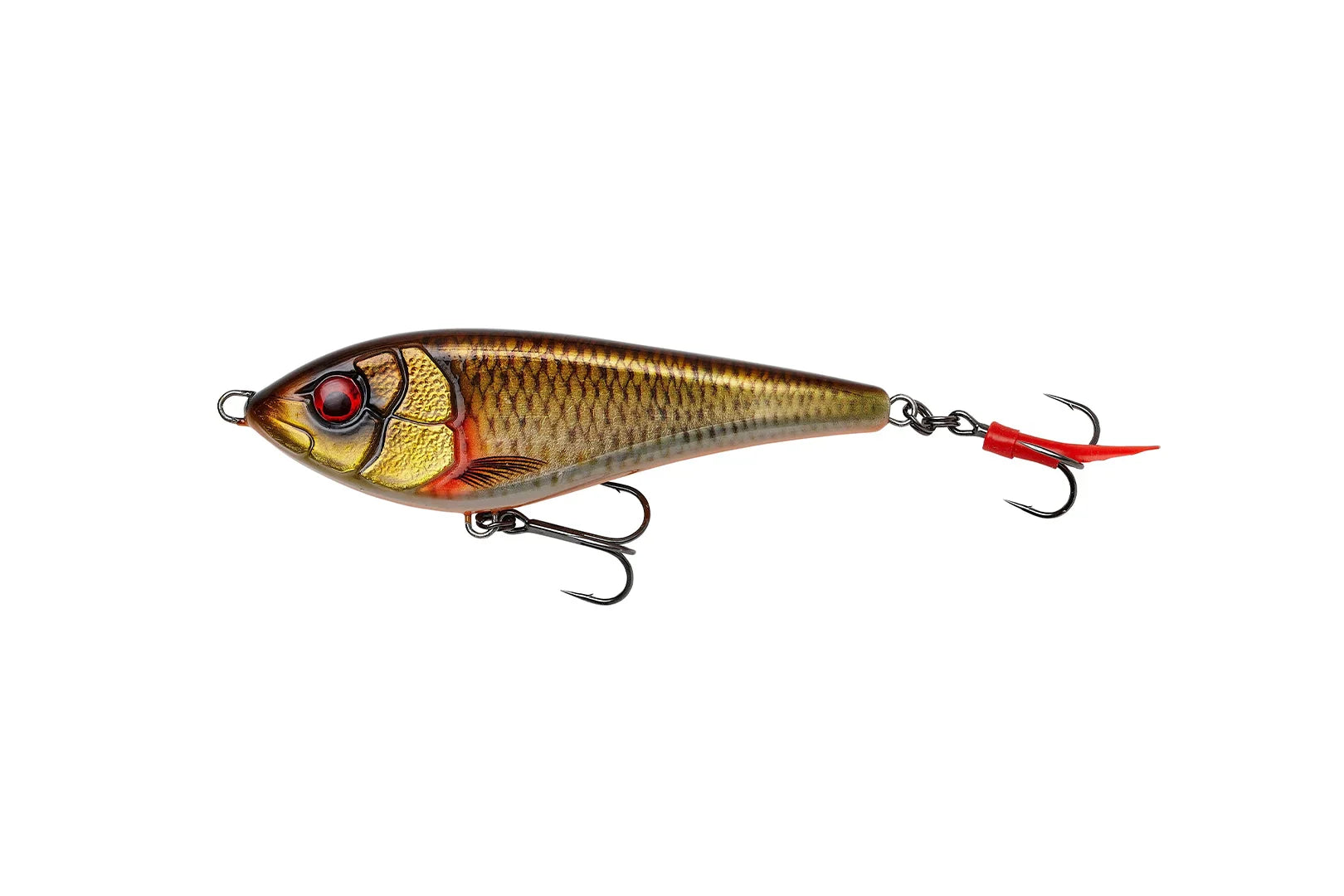
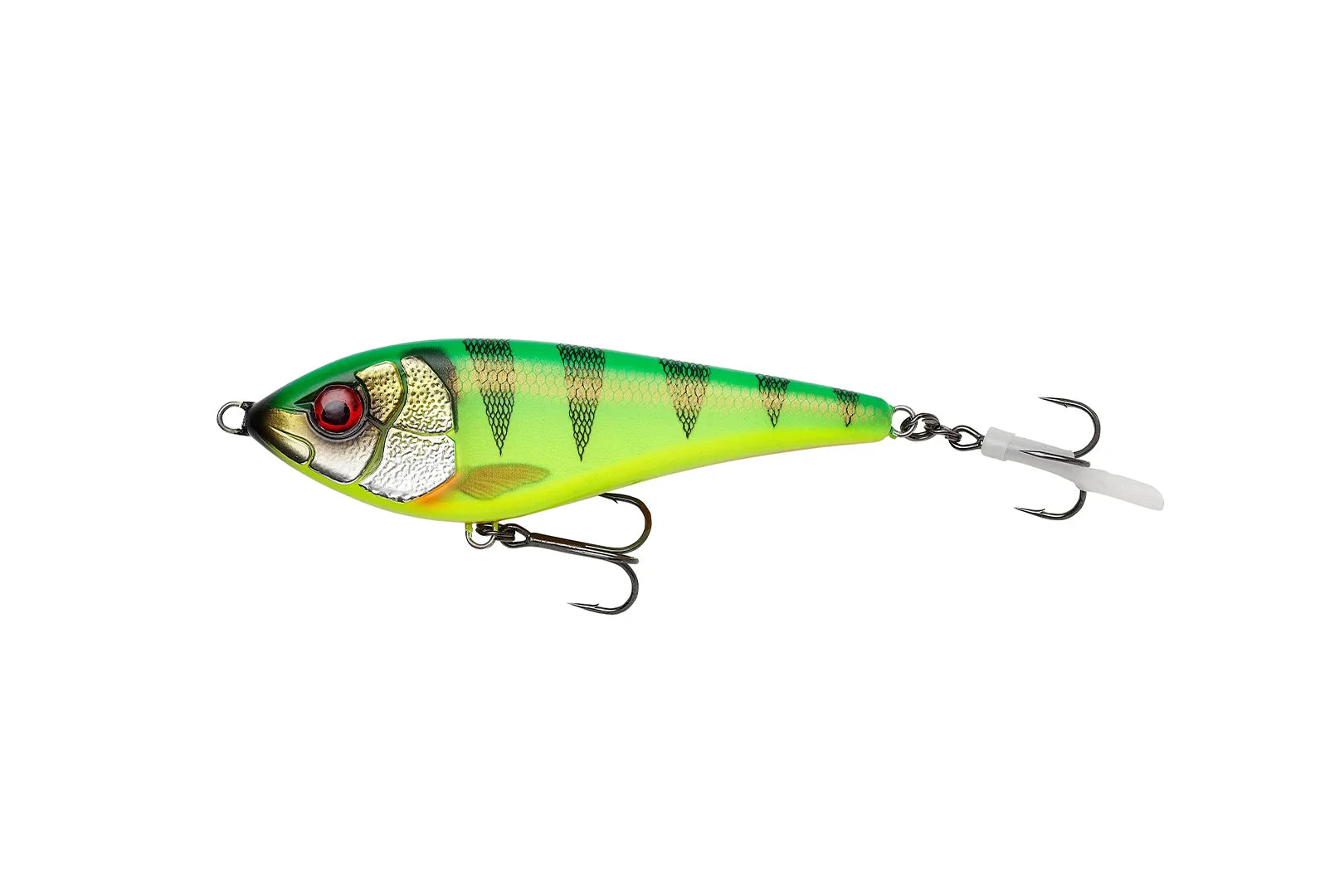
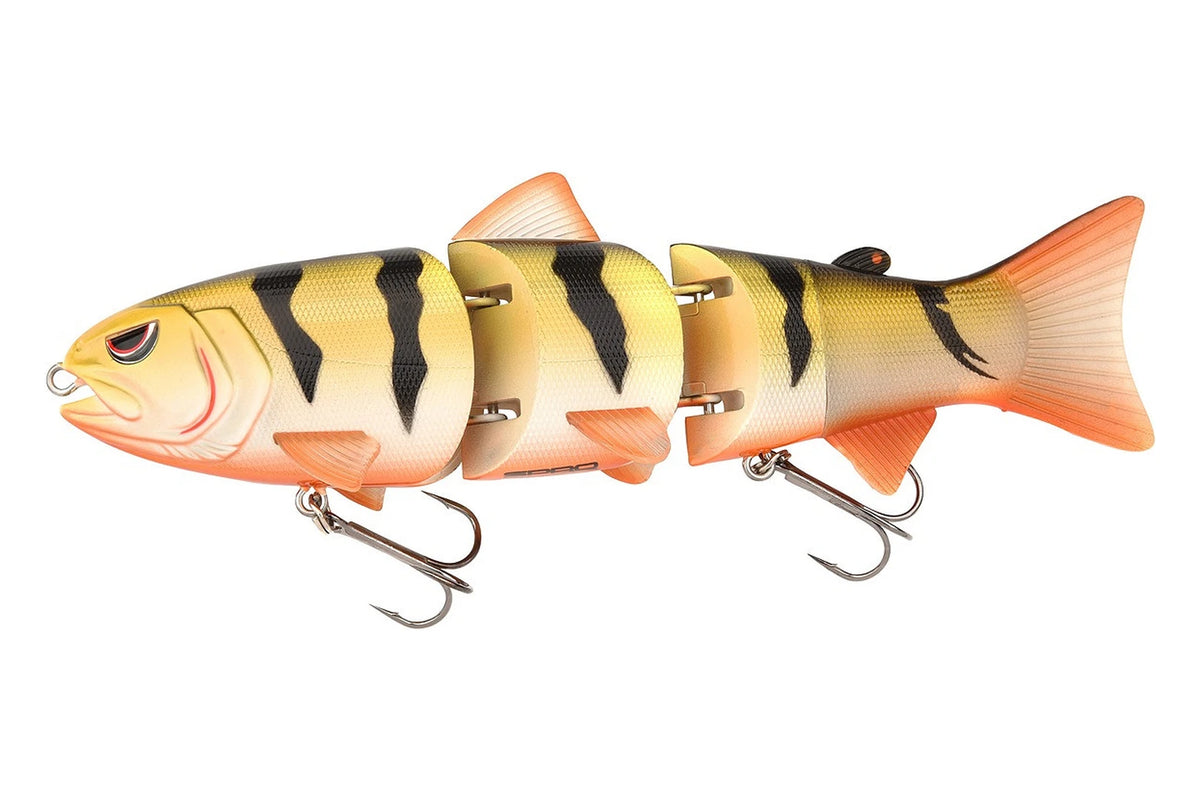
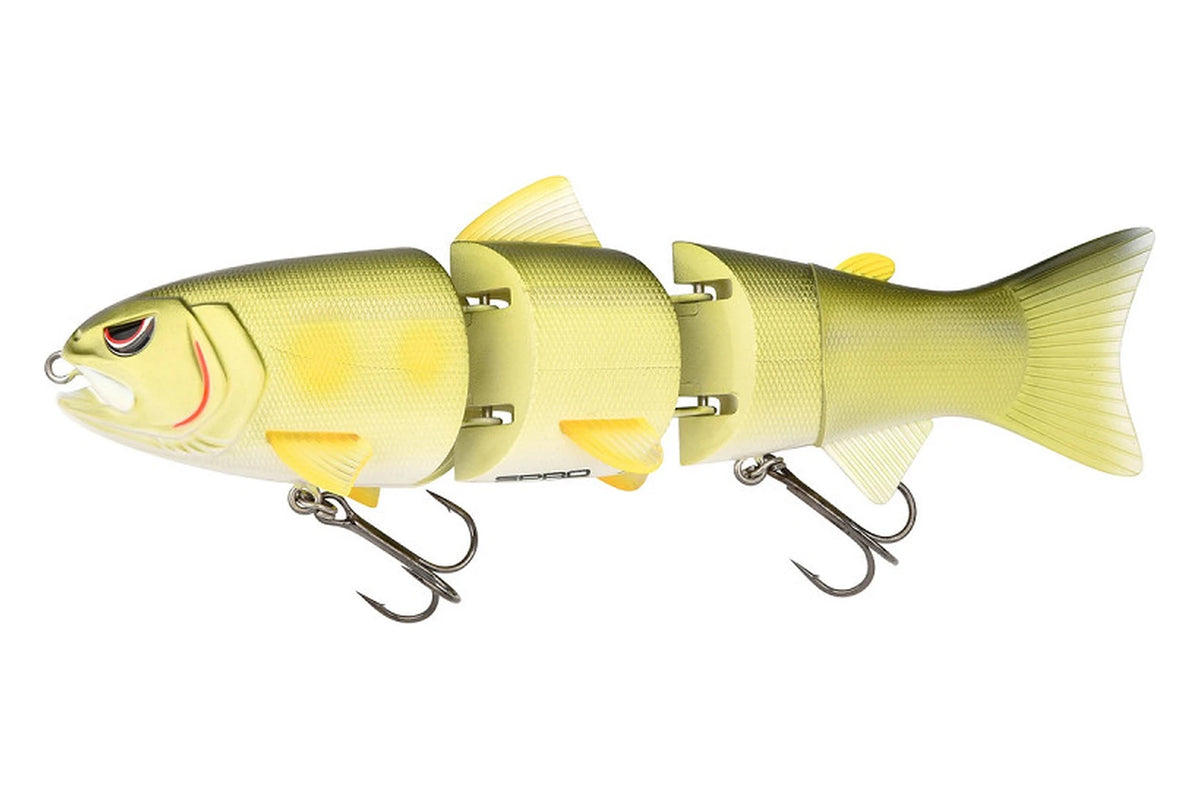
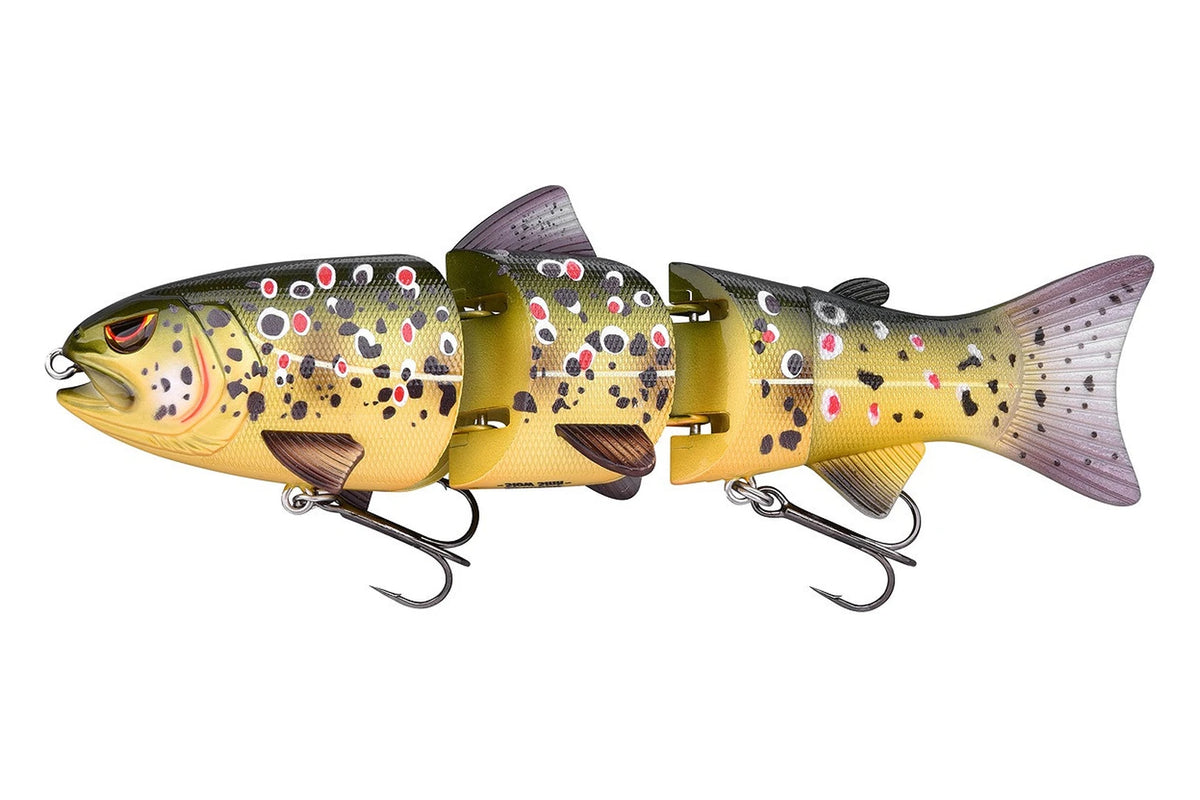
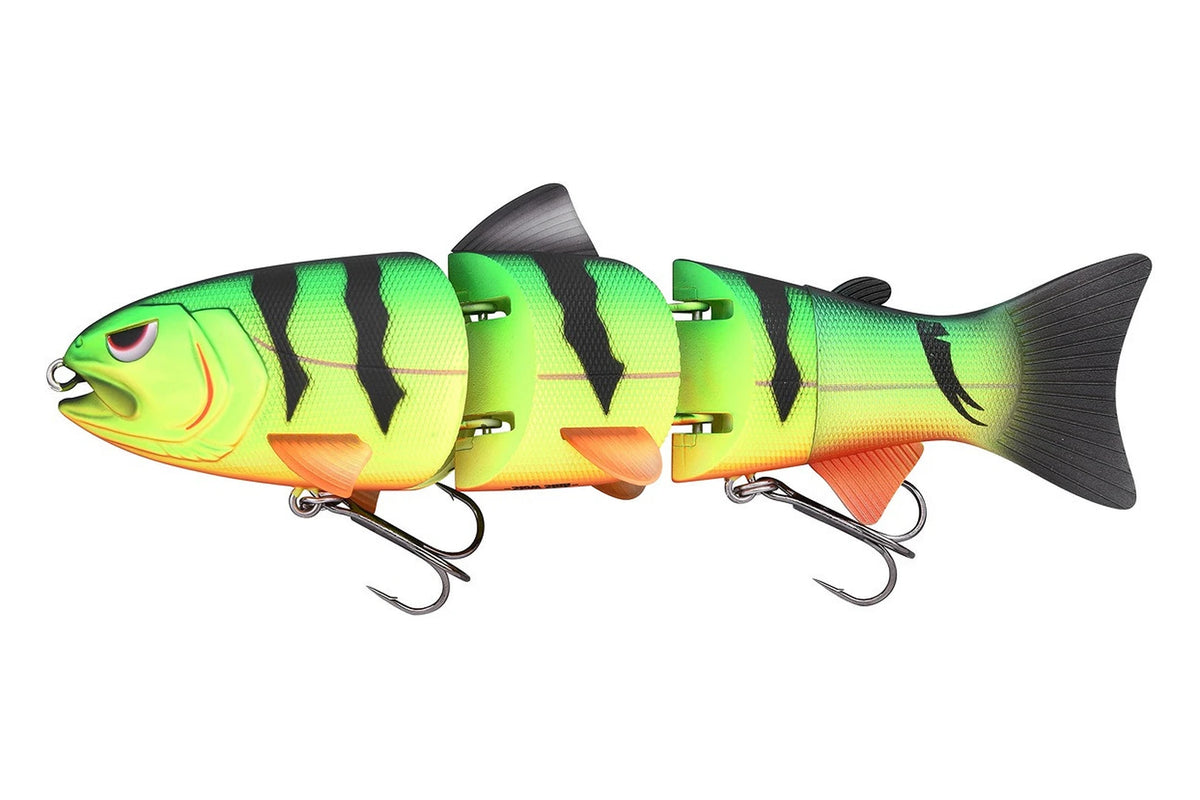
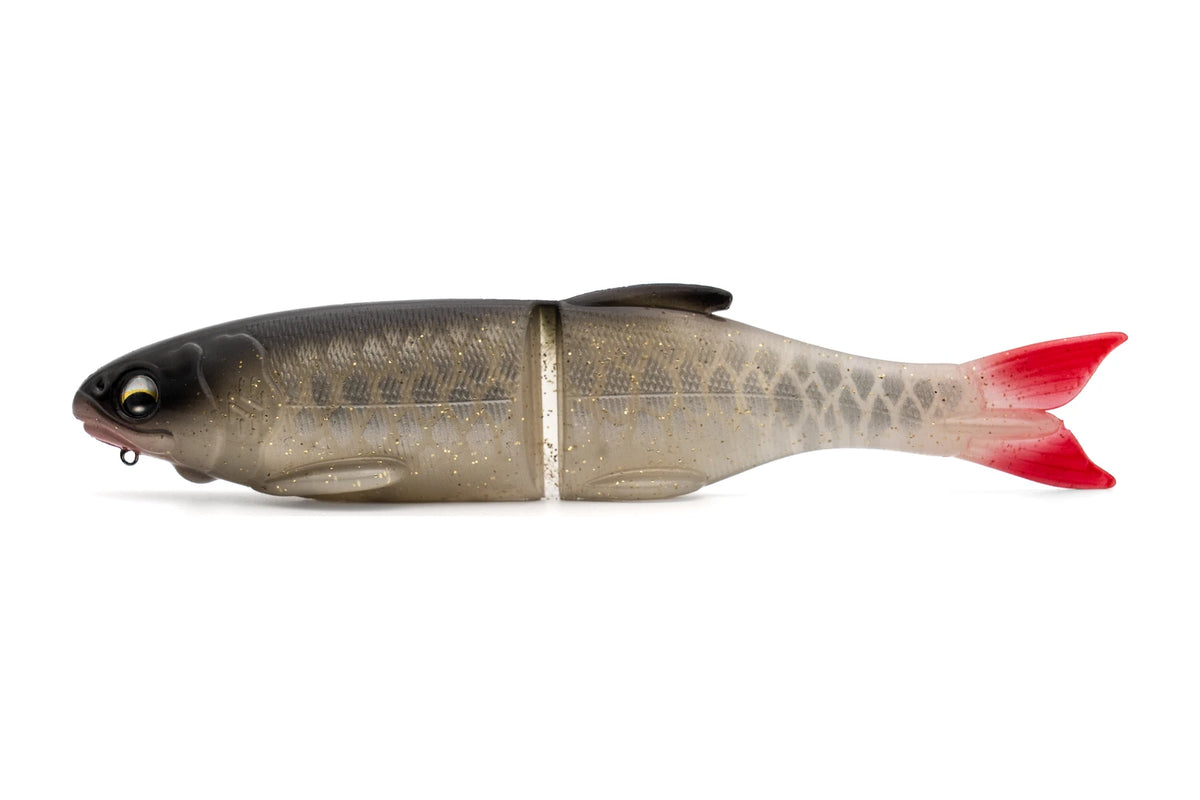
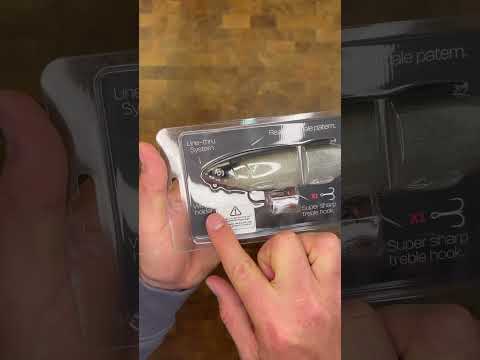
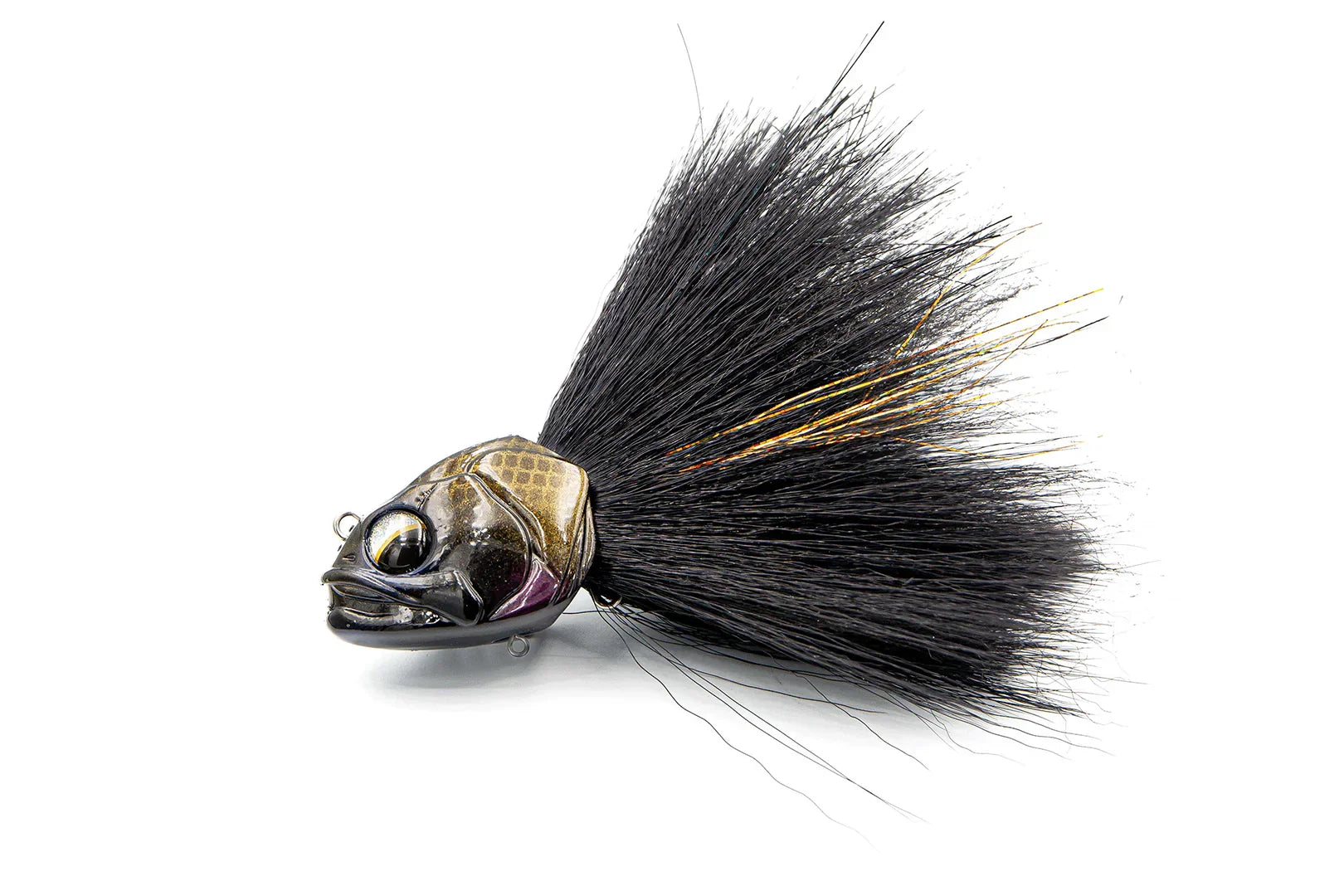
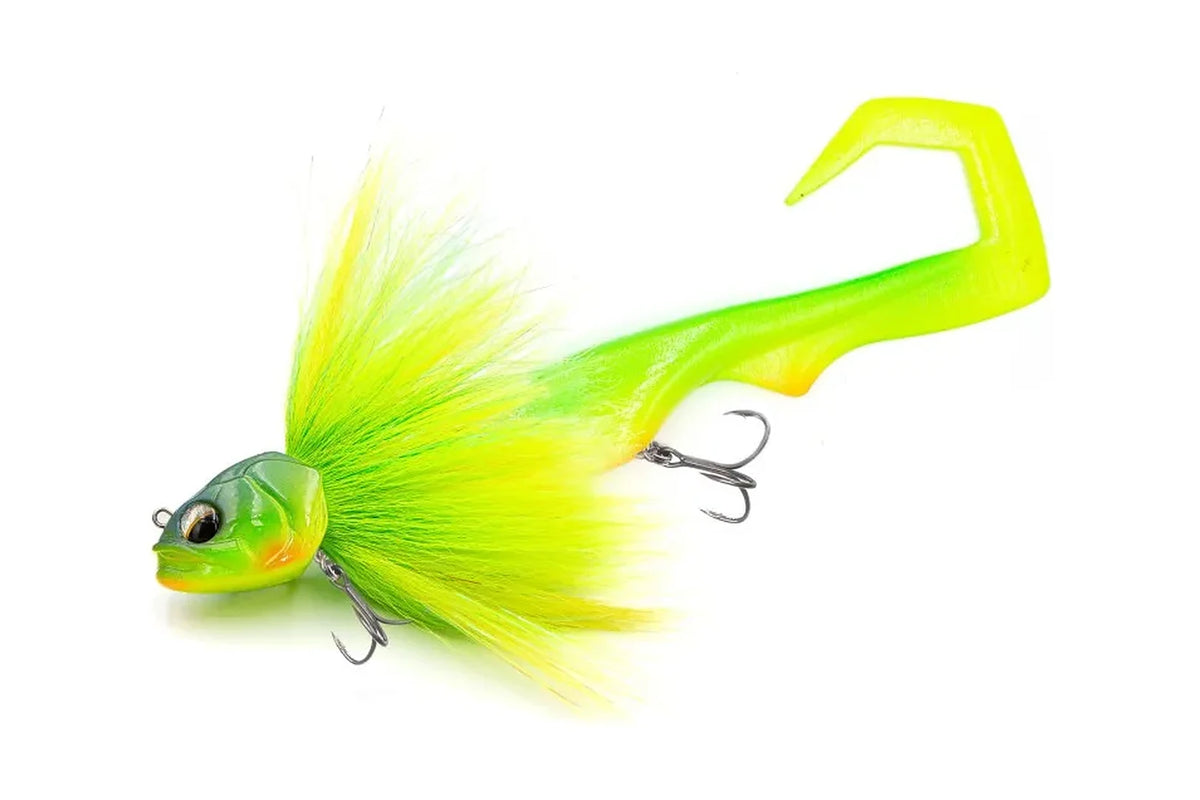
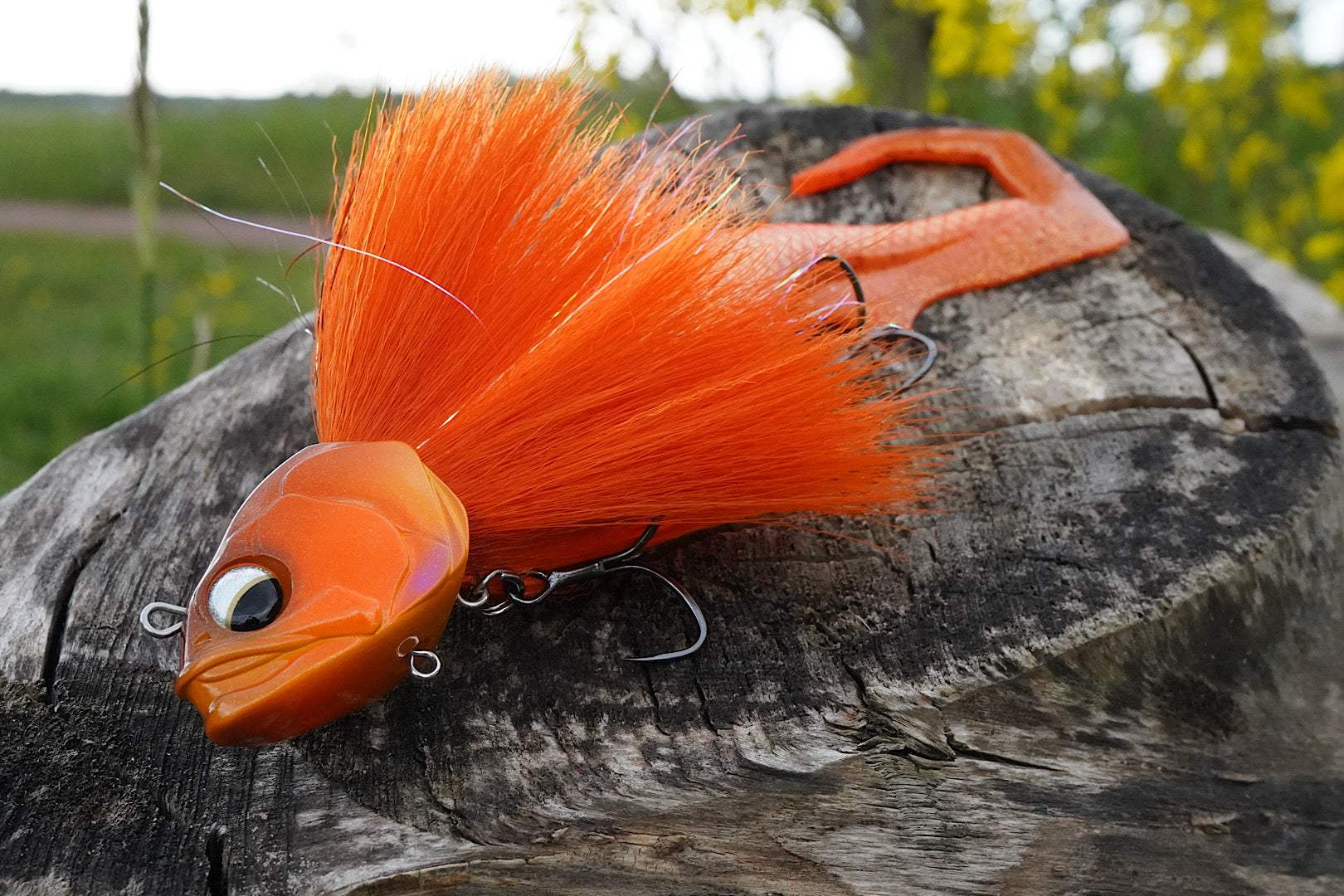
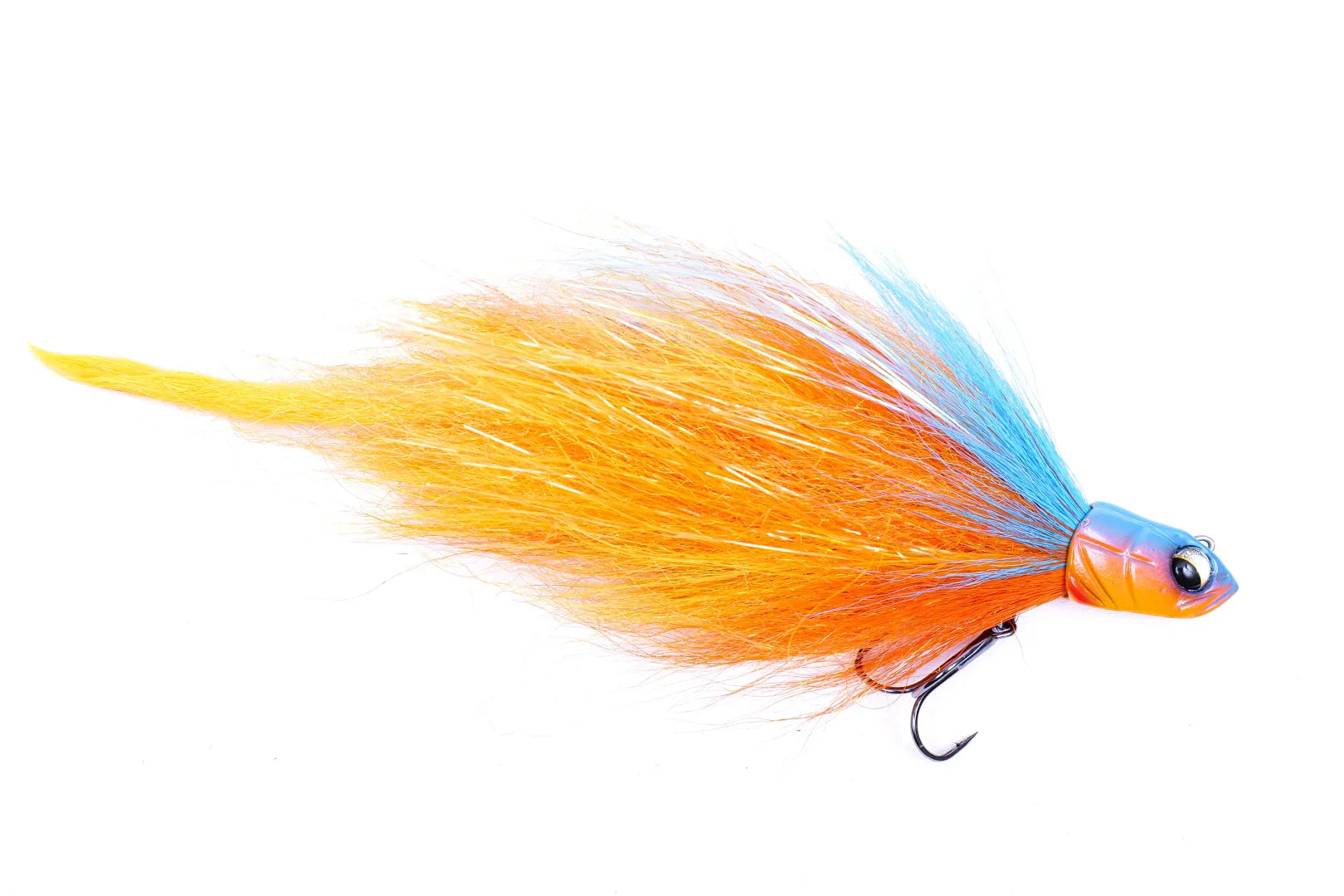
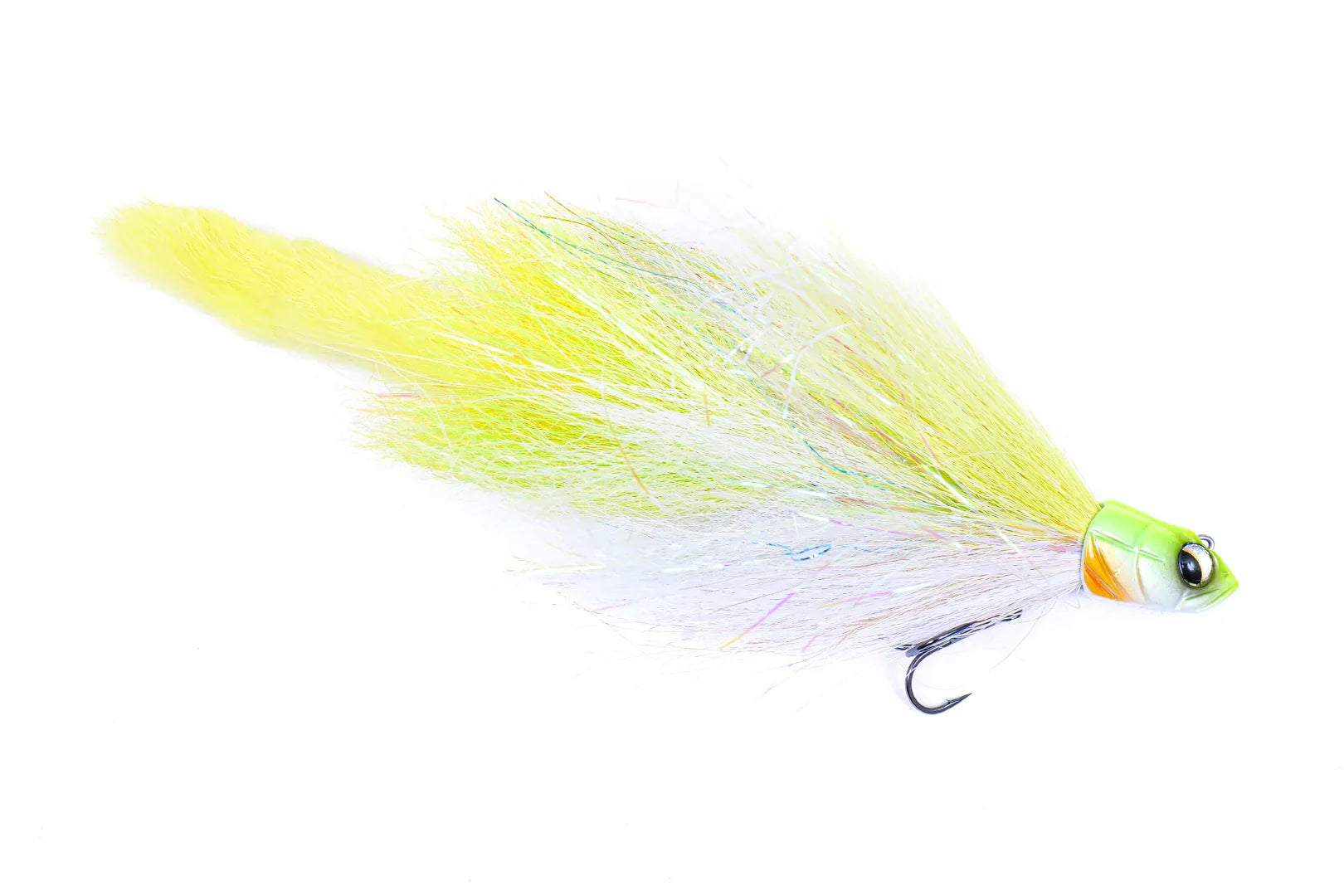
The Rapala Super Shadow Rap Glide 11 (14 cm with tail, 45 g) is a ready to fish glidebait on two VMC size 2 trebles with a 5 g screw-in weight in the box. Without the weight it runs at 0.5 to 1 m, with the weight it slowly sinks, and it hangs almost level on the stop before it sinks, which is the moment a following zander commits. The Rapala x Charlie's Fishing Limited Edition is the same lure in our own perch pattern with VMC UV orange hooks, a red tail for clear water and an orange tail for coloured water, and a tracer sticker so you can follow the lure on the retrieve. Read the story in Rapala x Charlie's Fishing Limited Edition Super Shadow Rap Glide. Two jointed swimbaits complete the compact range. The SPRO Swimbait 5" Slow Sink (12 cm) (24 g) sinks about 30 cm every 3 seconds, so you can count it down to the depth where the zander hold and swim it slowly with short twitches and pauses. The SPRO KGB Lil Guy 120 (12 cm, 26 g) rolls like a fleeing baitfish on a slow to medium retrieve and stays stable in wind. The Nays TRN 130 (13 cm and 19 g with the fishtail, 11 cm and 20 g with the beaver tail) is slightly floating and comes with two tails, two lips and a 0.9 g clip weight: without the lip it glides in an S-curve, with the lip it cranks. How we fish it is in Nays TRN 130: Four Ways to Fish the Compact Swimbait. More compact hardbaits are in Jerkbaits and Swimbaits & Glidebaits.
Bigger glidebaits and swimbaits for large zander and pike
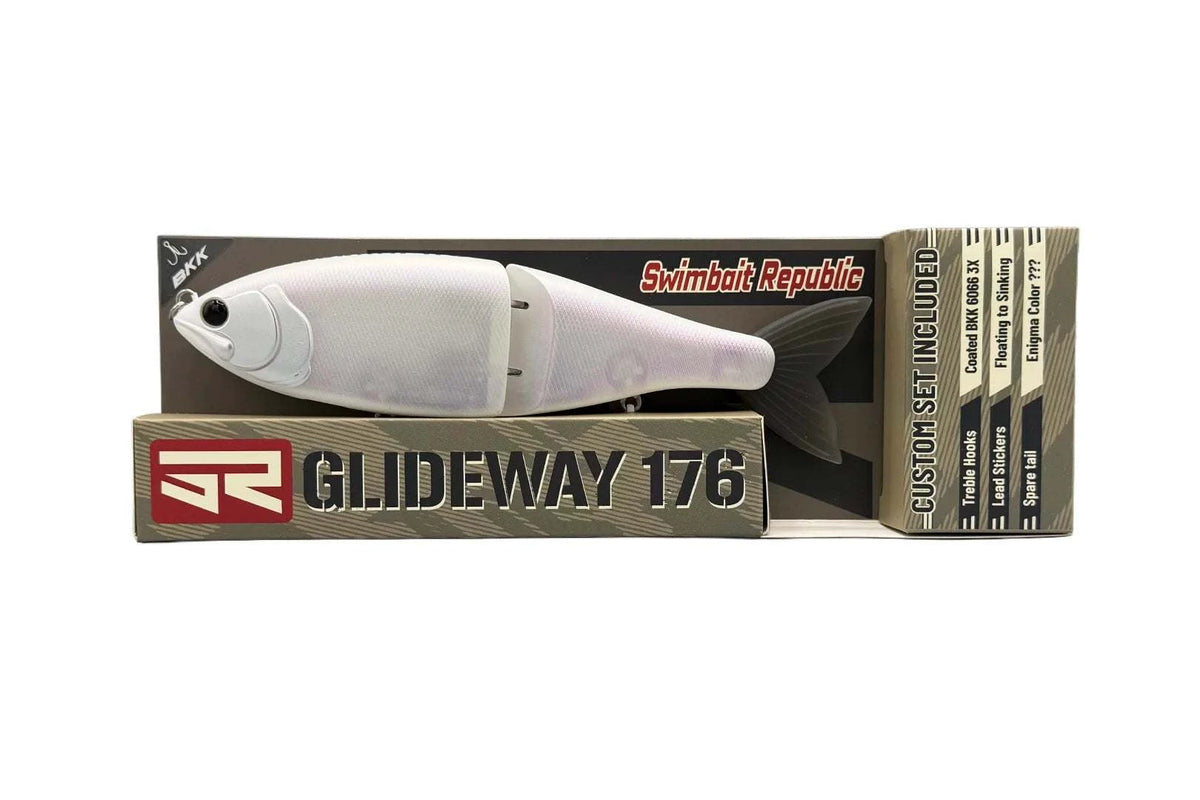
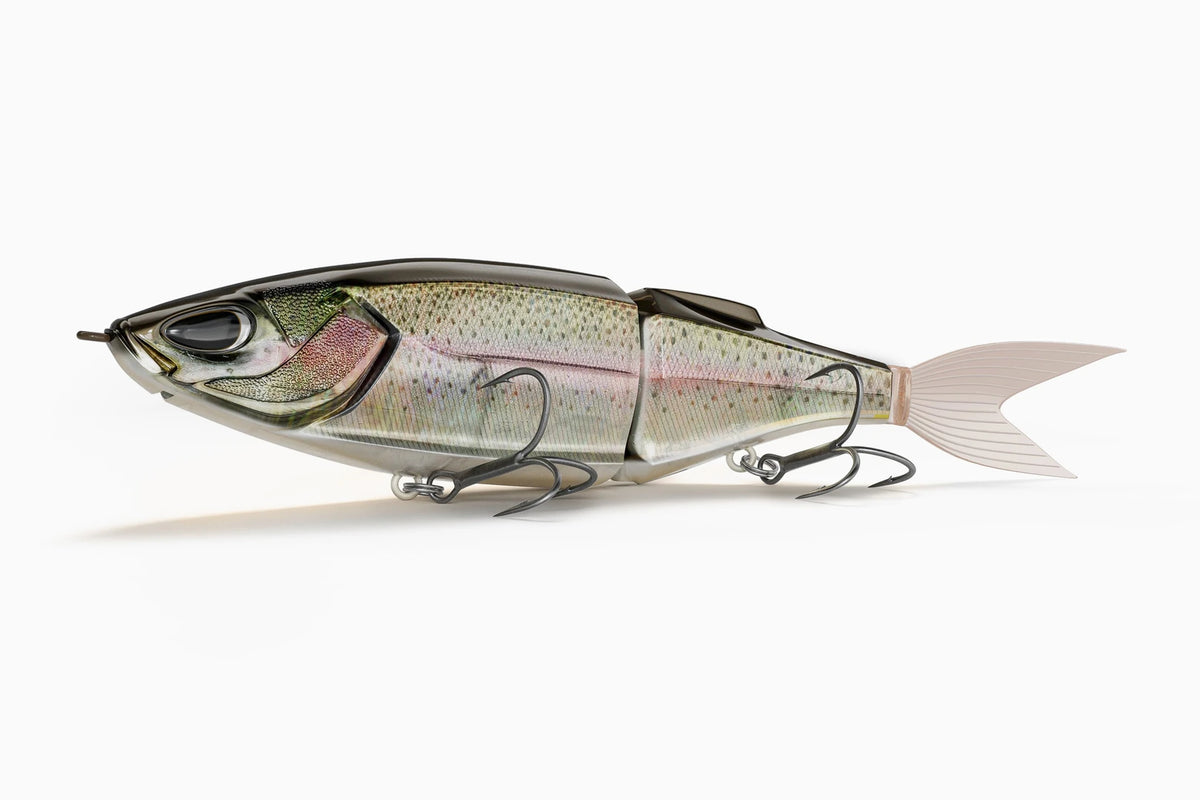
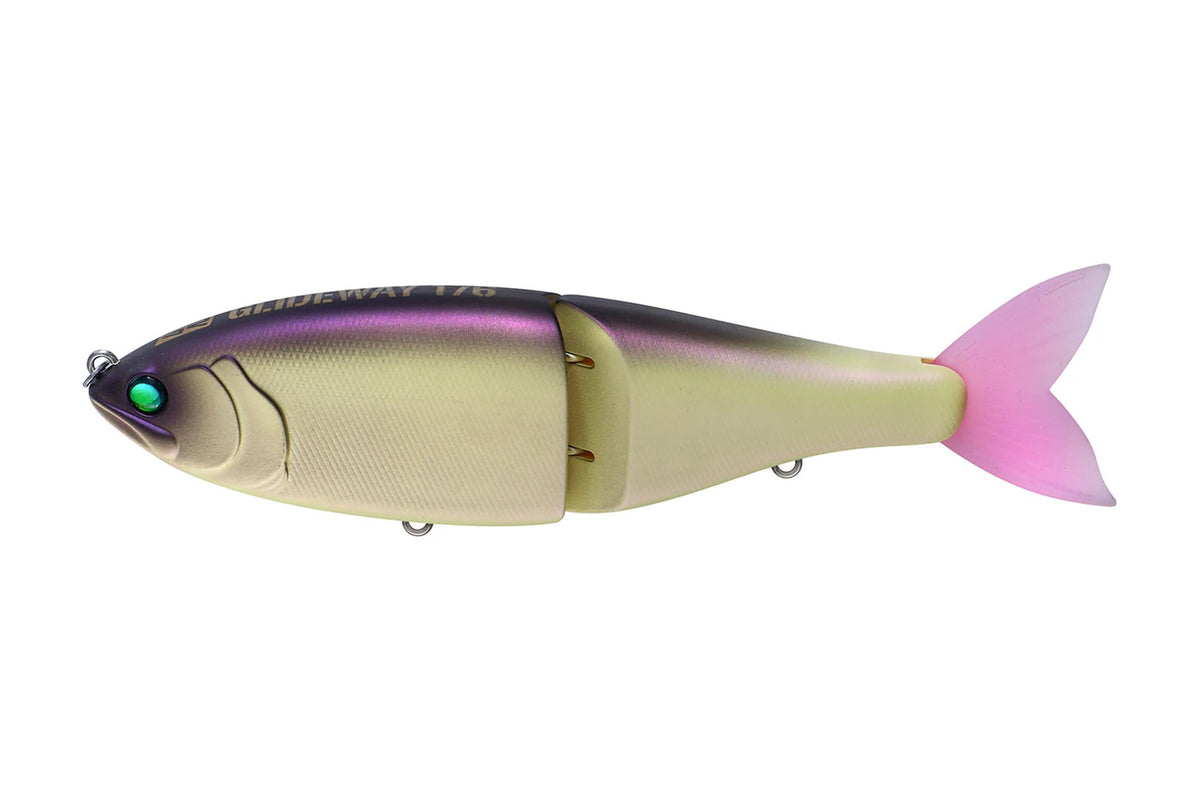
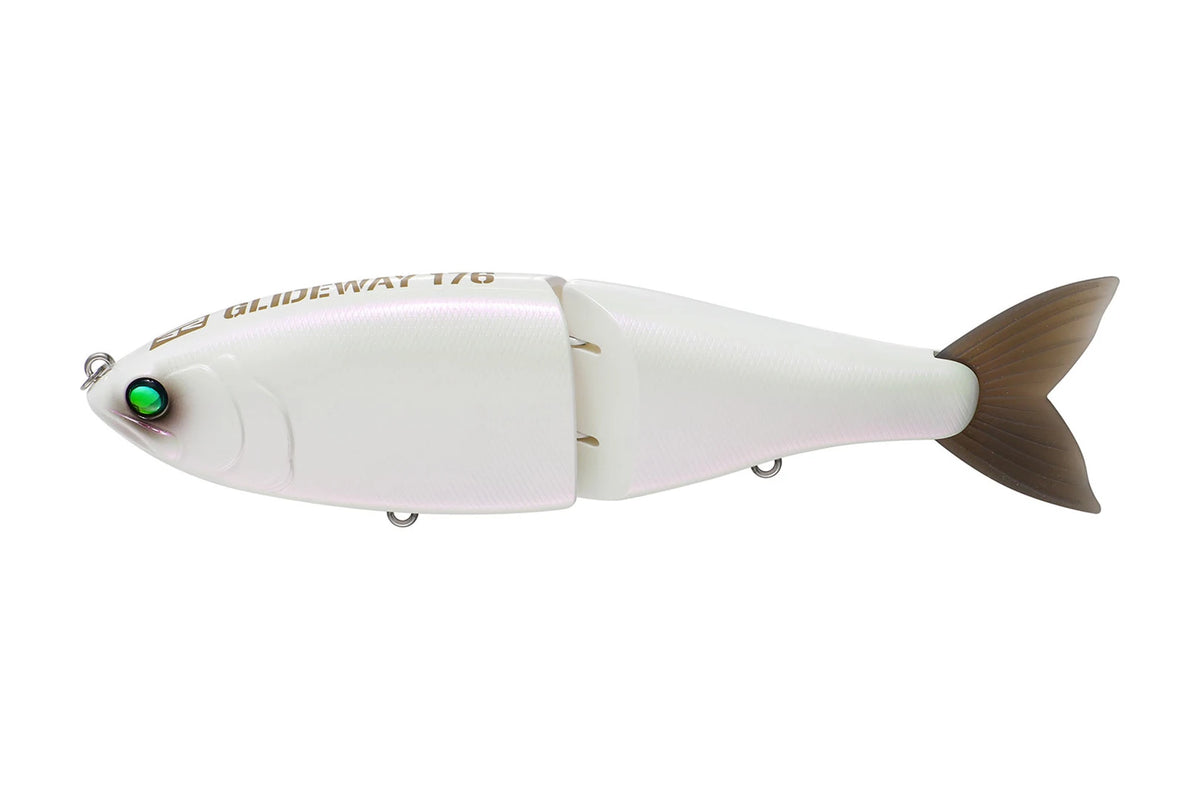
On big rivers, deep lakes and in autumn, when zander hunt 15 to 20 cm baitfish, a bigger glider earns its place, and most of these lures catch pike just as well. The Swimbait Republic Glideway 176 (17.6 cm, 80 g) is slow floating out of the box; the Swimbait Republic Glideway 176 Weight Stickers (1.5 g each) make it suspending or slow sinking, down to about 3.7 m, which is where zander sit on a river drop-off. Our full test is in Swimbait Republic Glideway 176 test & review. The Swimbait Republic Glideway 236 (23.6 cm) is the biggest Glideway with the same adjustable buoyancy via the Swimbait Republic Glideway 236 Weight Stickers, mainly a pike lure, for the days when a huge zander is feeding on big bream and roach. The Rapala Super Shadow Rap Glide 16 (18 cm, 86 g including a 10 g screw-in weight) is the big version of the Glide 11 on VMC 2/0 trebles, and the Illex Freddy 170 CW Noisy (16.8 cm, 44.5 g, sinking) adds rattle and a wide S-curve for big water and coloured conditions.
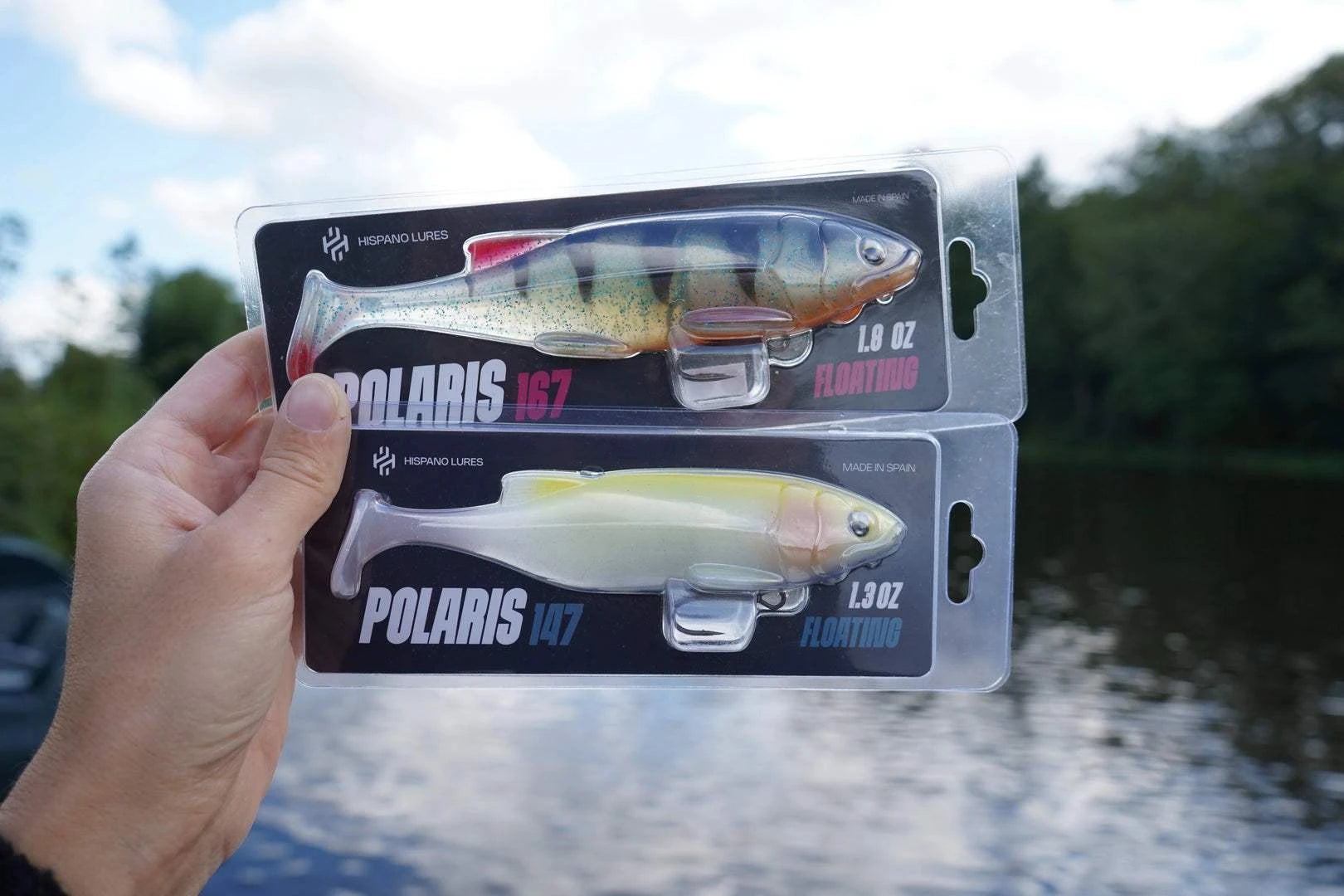
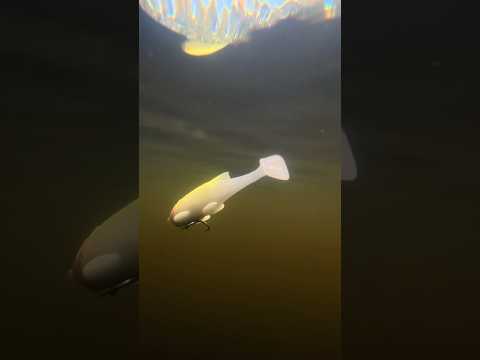
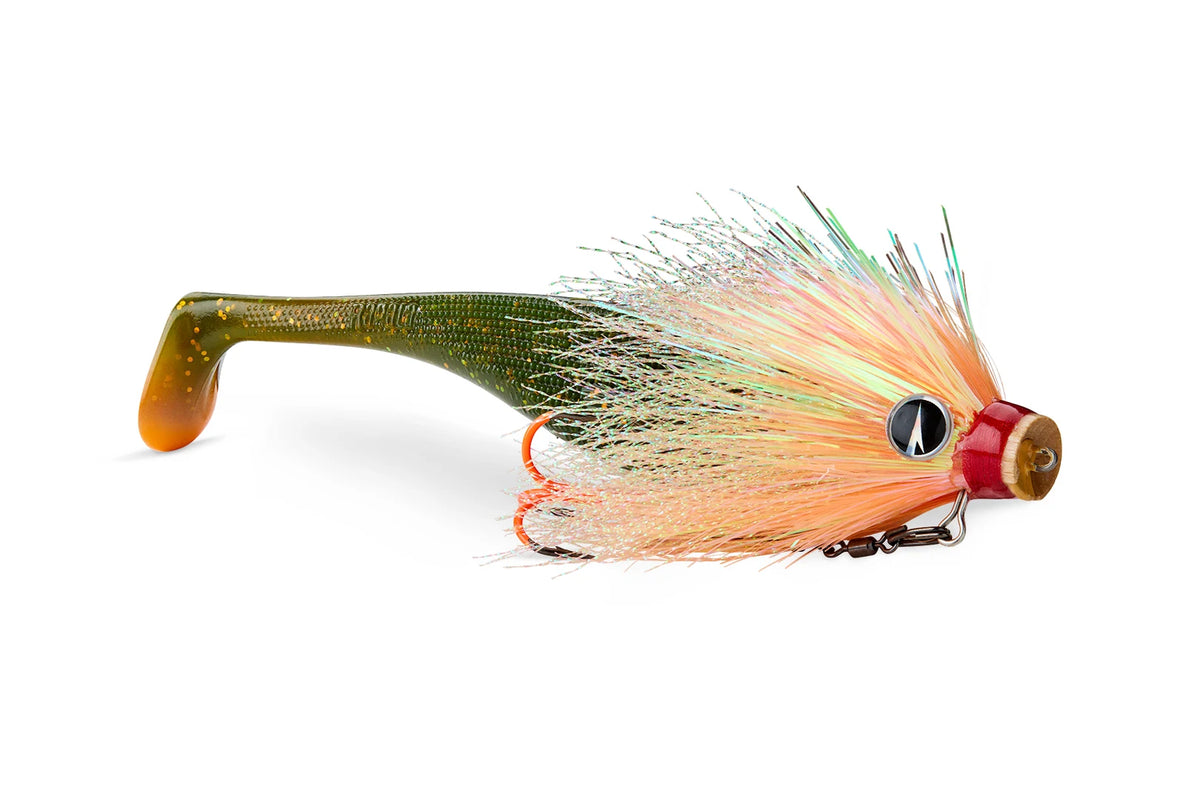
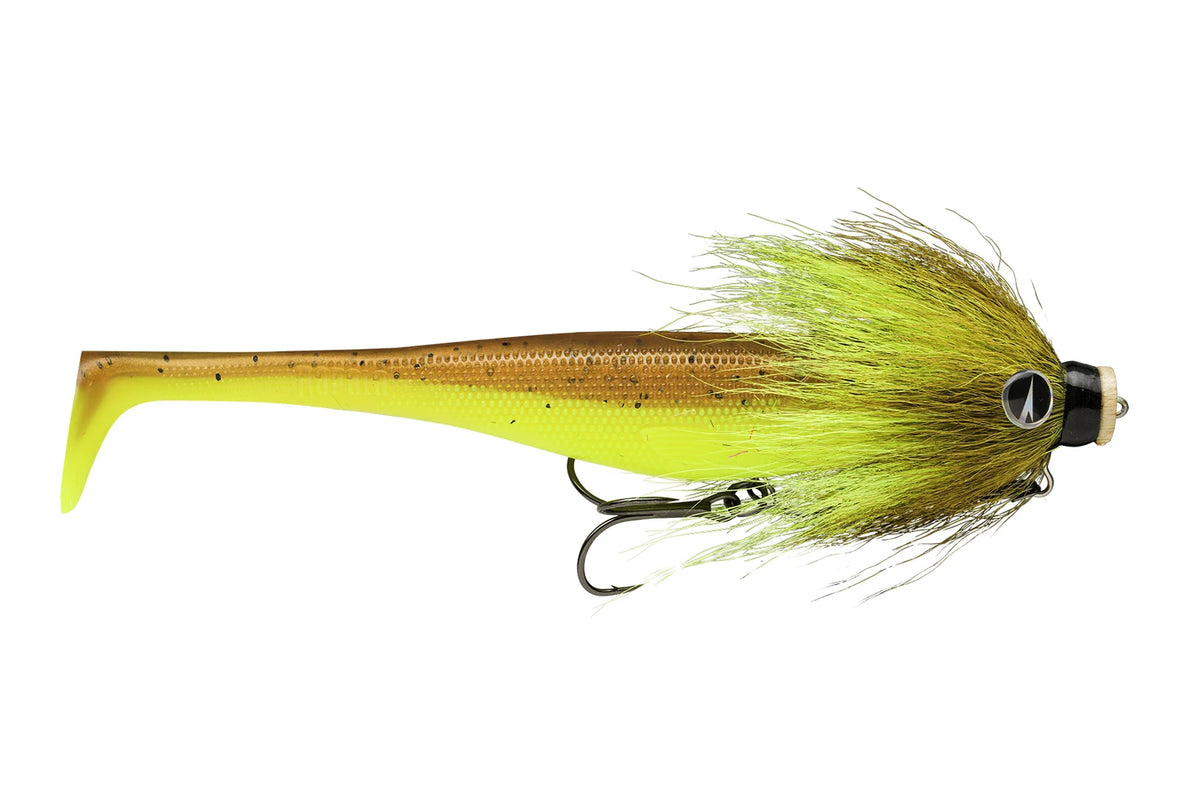
The Nays TRN 190 (19 cm with the fishtail, 17 cm with the beaver tail, 56 g) is a two-piece swimbait for pike and zander with the Rapid Switch System: swap the lip and tail and the same lure goes from a wide S-curve glide to a hard cranking action. It is slightly floating, an insert weight sets the depth, and the Nays TRN 190 Clip Weight 2.5 g fine-tunes it; see Reviews and Everything You Need to Know About the Nays TRN. The SPRO KGB Chad Shad 180 (18 cm, 67 g) is a jointed swimbait for pike and zander that swims true from a crawl to a fast wind and can be counted down over deeper flats; read SPRO KGB Chad Shad and SPRO KGB Lil Guy | Discover these swimbaits. The SPRO Swimbait 6" Slow Sink (15 cm) (59 g) is the all-round size of the SPRO Swimbait, slow sinking at about 30 cm per 3 seconds. The handmade Hispano Lures Polaris 147 (14.7 cm, 37 g) and Hispano Lures Polaris 167 (16.7 cm, 51 g) are floating soft paddle tail swimbaits for pike, zander and perch with a leader-through system: rig the treble on the back over weed or on the belly for open water, and clip extra weight to the front eye to fish deeper. Our guide is Hispano Lures Polaris 147 & 167: Handmade Floating Swimbaits for Pike and Zander, and more soft models are in Soft Swimbaits and Glidebaits.
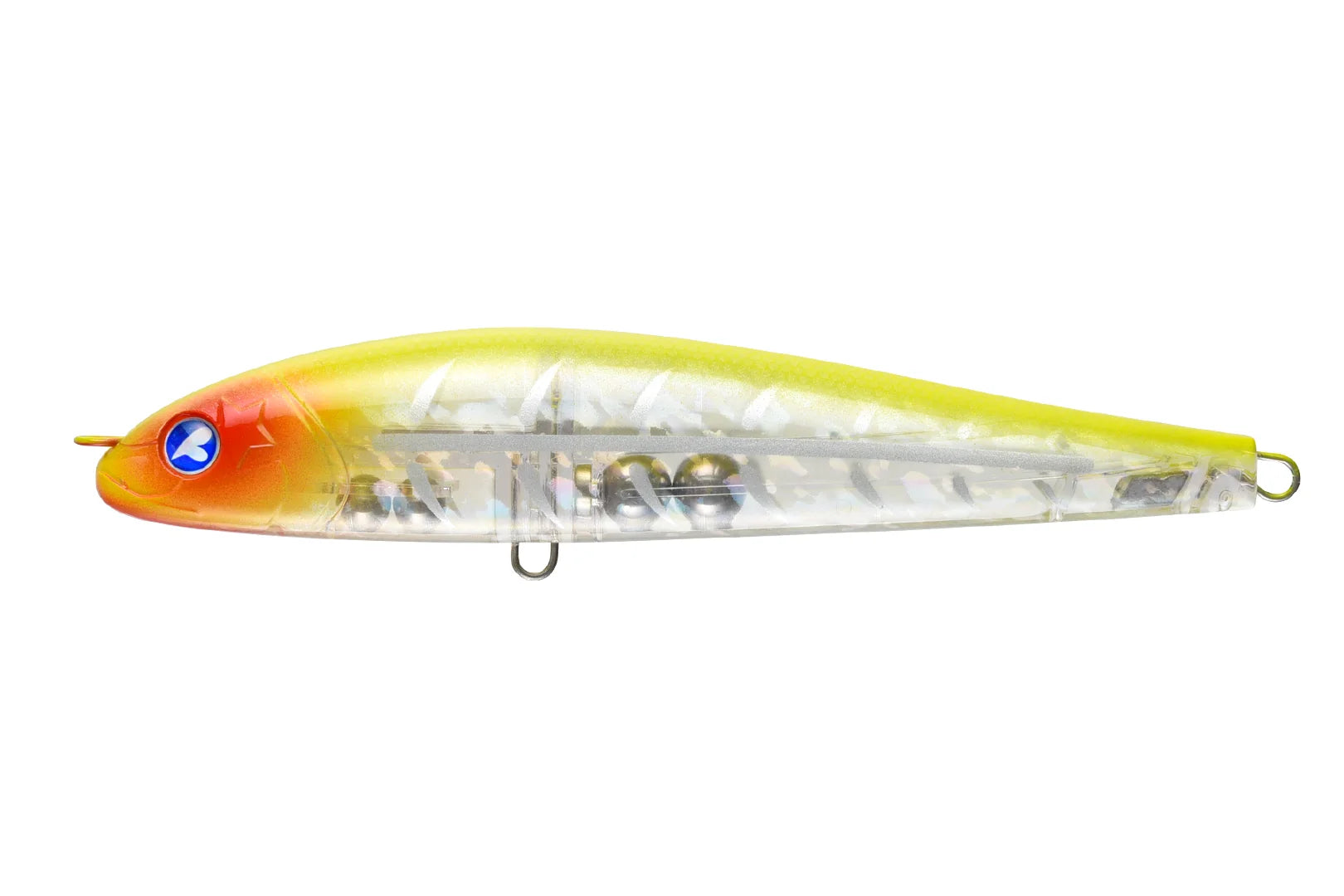
Three Japanese big baits in this collection are built to be tuned. The DRT Tiny Klash Low (16.8 cm, 56 g) cranks with the lip and V-tail fitted, and without the lip and with the tail flipped it glides just under the surface like a fleeing baitfish; the product page names black bass, pike and zander. The DRT Klash 9 Low (about 22.9 cm, 125 g) does the same in the full size, on Owner 1/0 trebles. The Kaesu KRK 165 (16.5 cm, 49 to 57 g) uses up to four tungsten weights to go from high floating to sinking, for S-curve swimming, sliding, darting and walking the dog, and the Kaesu KRK 205 (20.5 cm, 86 to 98 g) is the same concept for the heaviest set. The Gan Craft X BlueBlue Limited Edition Jointed Claw Magnum Black and Gan Craft X BlueBlue Limited Edition Jointed Claw Magnum Yellow (23 cm, 113 g, sinking) are collector's editions of a well-known trophy bait. The BlueBlue Force Guile 160F (16 cm, 50 g) is different: a floating diving pencil that swims a wide serpentine S-curve just under the surface on a plain retrieve, with long jerks that make it bob under the surface and short jerks for a quick S-action. It was developed for sea bass, but on shallow flats and along harbour walls at dusk, when zander push baitfish to the surface, it is a sub-surface option that needs no tuning. It comes without hooks; BlueBlue recommends 2/0 trebles on #5 split rings. Pike versions of all of these are in Pike Hardbaits.
Sink rate: floating, suspending or slow sinking for zander
Zander hold close to the bottom by day and move up the water column at dusk and at night, so the sink rate of your glidebait decides whether it reaches them at all. A floating or slightly floating glider (Glideway without stickers, TRN, Polaris) fishes the top metre and rises on the pause: the choice for shallow flats, harbour entrances and the edge of weed beds at dusk. A suspending glider (Glideway with one sticker) hangs in mid-water on the pause and is the setting we use most for zander in canals of 2 to 4 m: the lure stays in front of the fish instead of rising away from it. A slow sinker (Glideway with two stickers, Freddy, SPRO Swimbait, Super Shadow Rap Glide with the weight) lets you count down to the drop-off or the river bed and glide the lure along the bottom. Count the seconds on the first casts: the SPRO Swimbait sinks about 10 cm per second, so a 3 m channel takes about 30 seconds. In cold water any lure floats more, in current and wind your line lifts the lure, so add a little weight in winter and on the river and take it off again in summer. Fishing a glider from a high quay or bridge also pulls it towards the surface; a sinking setting corrects that.
Slow glide and long pauses: how to fish a glidebait for zander
Zander rarely chase a fast glidebait. The retrieve that catches them is slow and quiet: a half turn of the reel or a short, soft pull of the rod tip, the lure glides out to one side and slows down, and then you wait. Not one second but three, five, sometimes ten seconds, until the lure has completely stopped and hangs or sinks in a horizontal position. Then the next pull sends it the other way. A zander follows the glide, and takes when the lure stops. On a baitcaster you give the pull with the rod and wind in the slack during the pause; on a spinning rod you can make the glide with a slow turn of the handle. Keep the rod tip low and watch your line: a take on a glider is often no more than the line moving sideways or a soft weight, so strike as soon as something feels different. Work structure, not open water: the edge of a drop-off, a bridge pillar, the deep side of a groyne, the line of moored boats in a harbour, and glide the lure parallel to it. On a straight slow retrieve most of these lures also swim an S-curve on their own, which is a good way to search a stretch before you slow down and fish the pauses on the spot where you saw a follow. Our beginners' guide Zander Fishing for Beginners: the guide for catching zander covers the spots and seasons, and River Fishing: 9 Lures We Always Bring for Perch, Zander and Pike explains fishing in current.
Zander glidebaits at night and in low light
Zander have eyes built for low light and they hunt hardest at dusk, at dawn and in the dark, often in water of one to two metres deep that they avoid by day. This is the best time for a glidebait: the fish are up in the water column, they feed on sight and on the pressure waves of a moving baitfish, and a slow glider pushes a lot of water for its size. At night you fish even slower and with fewer twitches, because a zander locates the lure by its lateral line and needs time to find it. A floating or suspending setting keeps the lure high, over the shallow flat or along the quay wall where the baitfish are. Colour matters less than contrast and sound: a dark or black lure draws a clear silhouette against the night sky, a rattling glider like the Freddy CW Noisy is easier to find in coloured water, and the orange tail of the Limited Edition adds visibility at dusk. Fish a short line and keep contact, as night takes are soft, and bring a head torch and a good landing net. Harbour lights, bridges and lit quays are the places to start: the light attracts baitfish, and the zander patrol the edge of the light and the dark.
Tuning glidebaits with weights
Most lures on this page let you change the sink rate without changing the lure. The Swimbait Republic weight stickers are lead stickers you press into the belly cavities of the Glideway 126, 176 and 236, and pull out again with the point of a treble: one sticker for suspending, two for slow sinking. The Rapala Screw Diver System Weights (5, 7.5, 10 and 15 g tungsten) screw into the belly of the Super Shadow Rap Glide 11 and 16: 5 g for a slow sink in 2 m of water, 10 or 15 g to get down fast on a deep river drop-off. The Illex John Weight is a clip-on weight for the stomach eye of the Freddy and other hardbaits, in 2 to 28 g, which you clip on close to the centre of gravity so the action stays intact. The Nays TRN has an insert weight and a clip weight, the Kaesu KRK has four tungsten weights in the box, and the Polaris has a front eye for extra weight. Add weight in small steps and test the lure next to the bank: it should still hang level on the pause. If the nose drops, you have added too much. All weights are in Weights, spare tails and lips in Spare Parts.
Rod, reel and line for zander glidebaits
A compact glider of 20 to 50 g fishes well on a medium heavy spinning rod of 2.10 to 2.40 m with a casting weight up to about 60 g, the rod many zander anglers already own for 12 to 15 cm shads. A moderate action helps: a very stiff tip makes the lure jump instead of glide and pulls the trebles out of a zander's hard mouth. For the bigger glidebaits of 60 to 125 g, a baitcaster with a rod rated for the weight you cast is the better tool, as Swimbait Republic, Nays and DRT design their lures for it. Use a braid of 0.14 to 0.20 mm and, in clear water, a fluorocarbon leader of 0.50 to 0.80 mm: fluorocarbon sinks, stays invisible and lets the lure glide freely. Where pike swim, which is the case on most Dutch waters, fish a thin titanium or wire trace instead; the smaller glidebaits still work well with a 15 to 25 cm trace. Tie the leader to the lure with a snap or a loop knot so the glider can swing freely, and check the trebles often: a zander's bony mouth blunts a point quickly. Everything you need is in Rods and Reels, Lines and Leaders and Hooks and Rigs.
Which zander glidebait for which situation
• Pressured zander in clear canals and lakes: Glideway 126 with one sticker, fished with long pauses.
• Coloured water and low light: Freddy 130 CW Noisy or the Limited Edition with the orange tail.
• Shallow flats and harbour walls at dusk: Super Shadow Rap Glide 11 without the weight, TRN 130, Polaris 147 or Force Guile 160F just under the surface.
• Deep river drop-offs and channels: SPRO Swimbait 5" counted down, Glideway 176 with two stickers or the Glide 11 with a 10 g weight.
• Covering water on a big lake: Chad Shad 180, Lil Guy 120 or TRN 190 on a slow straight retrieve.
• Big zander on large baitfish in autumn: Glideway 176, Freddy 170, Super Shadow Rap Glide 16 or Polaris 167.
• One lure for every depth: Glideway 126 or 176 with stickers, TRN with the clip weight, KRK 165 with tungsten weights.
• Zander and pike on the same water: any of the 15 to 18 cm models on a titanium trace. See also Pike, Perch and Zander and Perch Softbaits.
Why buy zander glidebaits at Charlie's Fishing
We picked glidebaits and swimbaits that work in the sizes zander actually eat, from Swimbait Republic, Rapala, Illex, Nays, SPRO, Savage Gear Lures, Hispano Lures, DRT, Kaesu, Gan Craft and BlueBlue Fishing, with the weight stickers, screw-in weights, clip-on weights and spare tails that belong to them, so you can tune a lure instead of buying three. The Rapala x Charlie's Fishing Limited Edition is our own colour. Every lure ships from our stock in the Netherlands with fast delivery across Europe, and if you tell us your water and your rod, we are happy to tell you which size and which sink rate to start with.
Which size glidebait for zander?
12 to 15 cm is the sweet spot: big enough to draw a zander up from the bottom, small enough for it to take the lure in one go. Choose 12 to 13 cm, such as the Glideway 126 or Freddy 130, on pressured and clear water and in spring and summer; go up to 15 to 18 cm in autumn and on big rivers and lakes, when zander feed on large baitfish.
Do glidebaits work for zander at night?
Yes, dusk and night are the best time. Zander move up into shallow water to hunt, and a slow, floating or suspending glider fished with long pauses along quay walls, bridges and shallow flats is easy for them to find. Fish slower than by day, use a dark silhouette or a rattling model, and keep contact with the lure because night takes are soft.
Which rod do you need for a zander glidebait?
For compact glidebaits of 20 to 50 g, a medium heavy spinning rod of 2.10 to 2.40 m with a moderate action and a casting weight up to about 60 g is enough, with 0.14 to 0.20 mm braid and a fluorocarbon leader or thin titanium trace. For the bigger models of 60 g and more, use a baitcaster and a rod rated for the lure weight.