
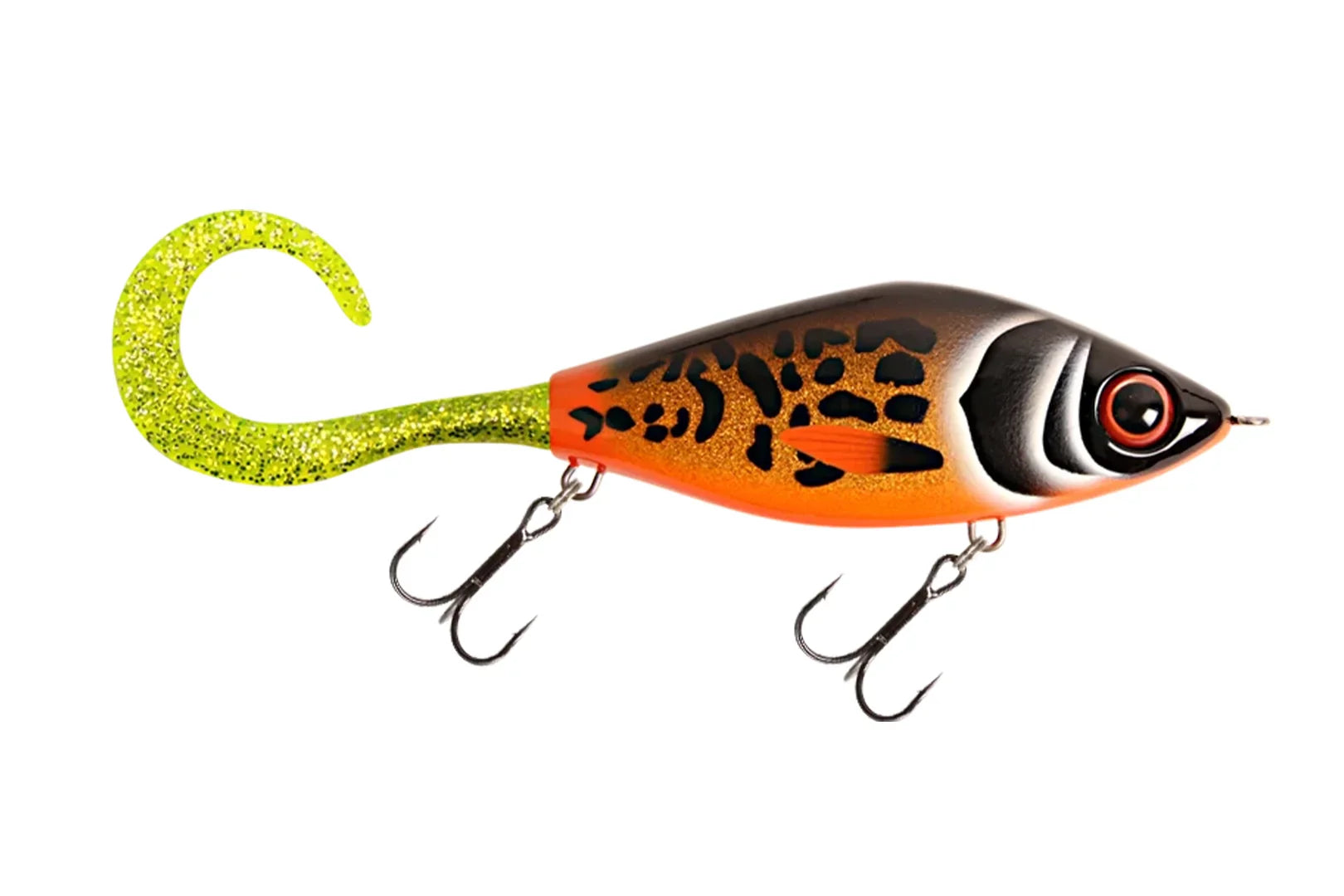
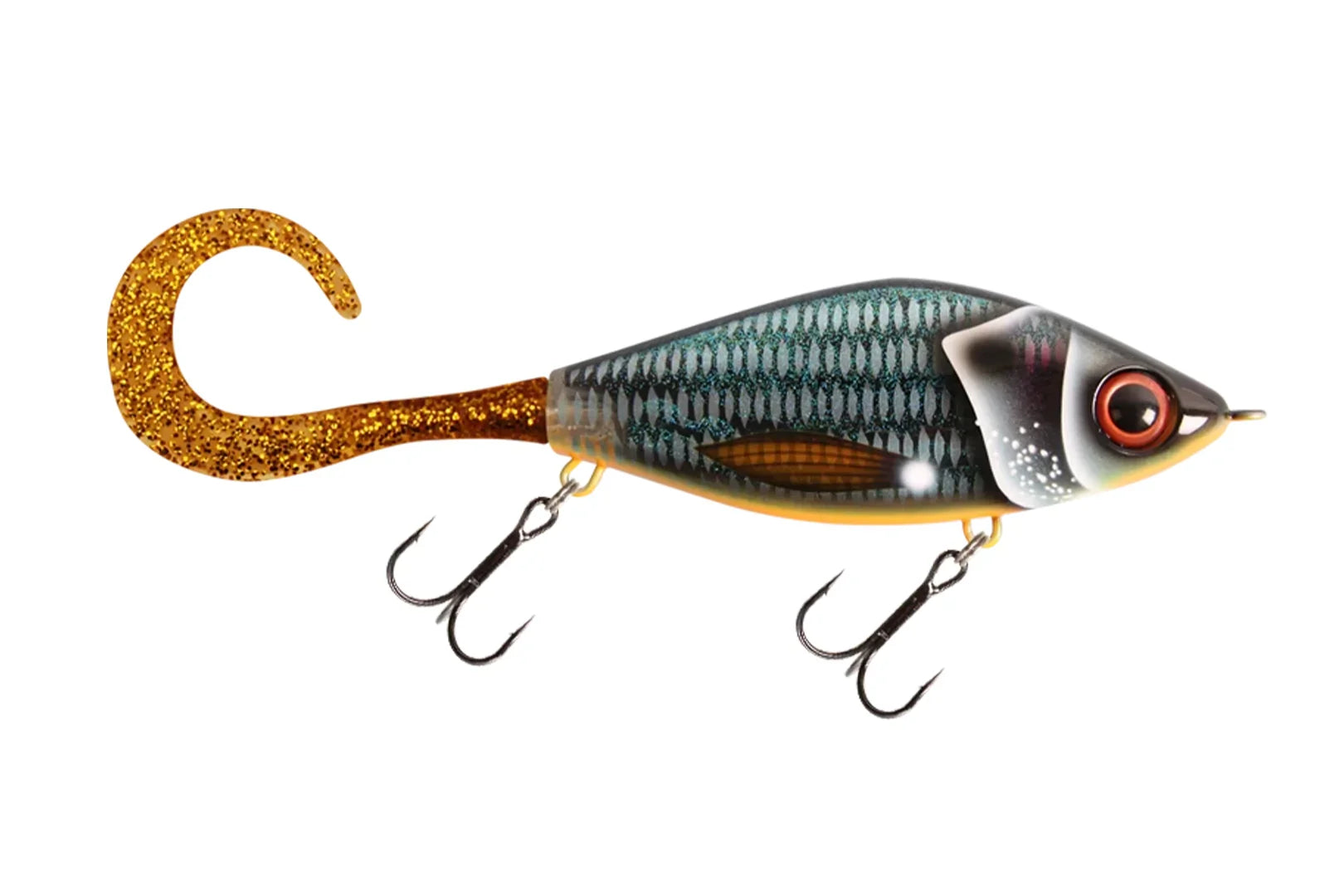
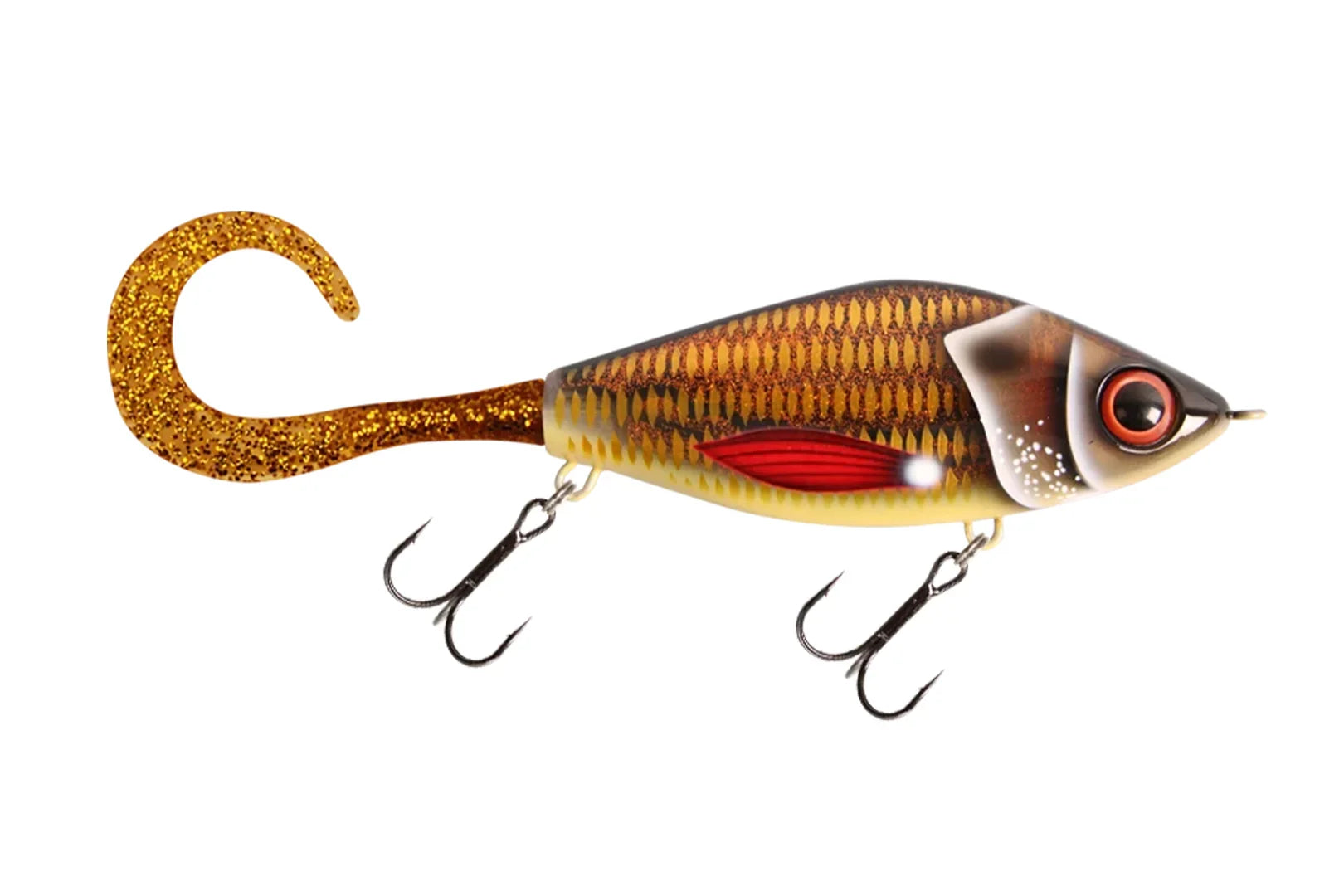
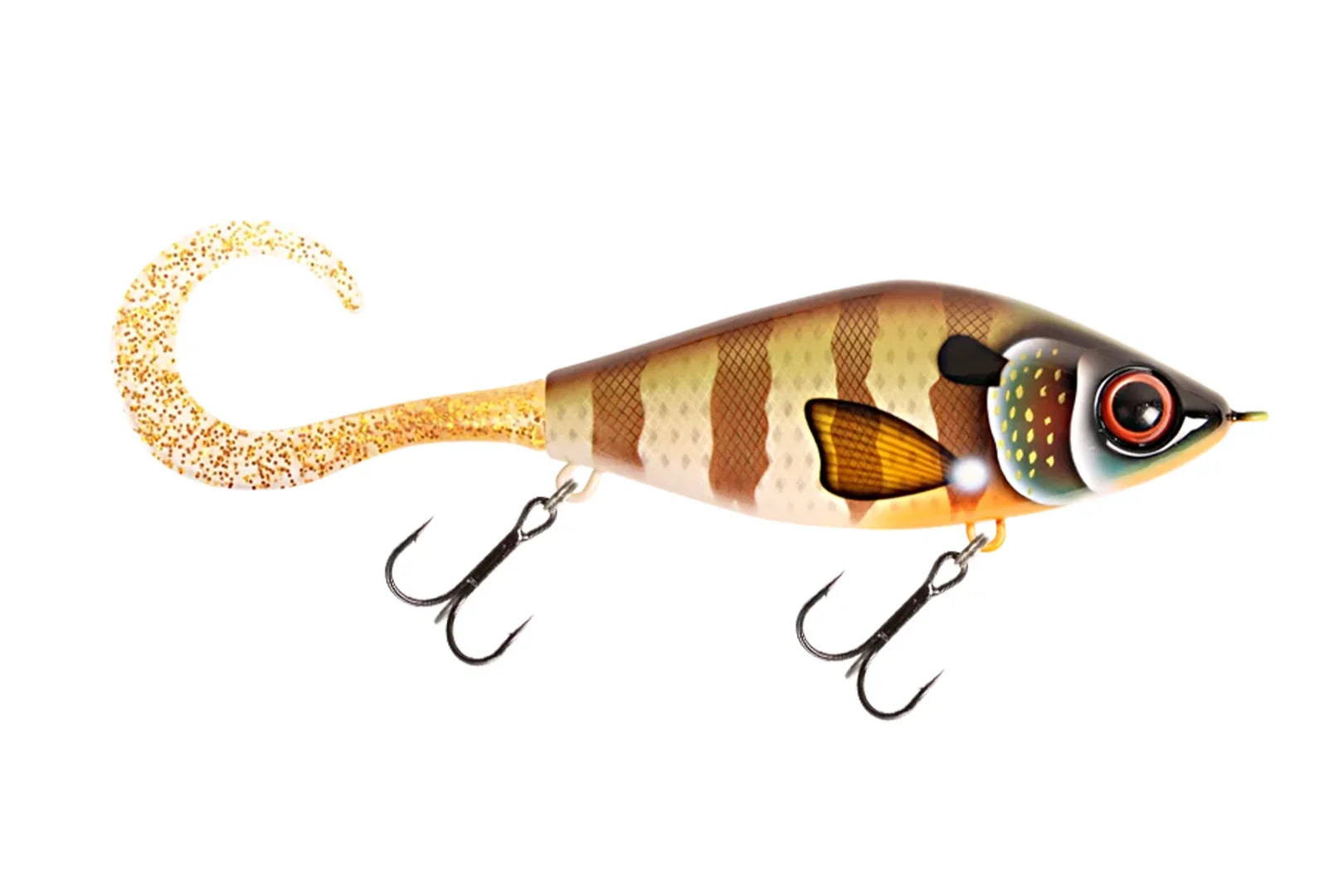
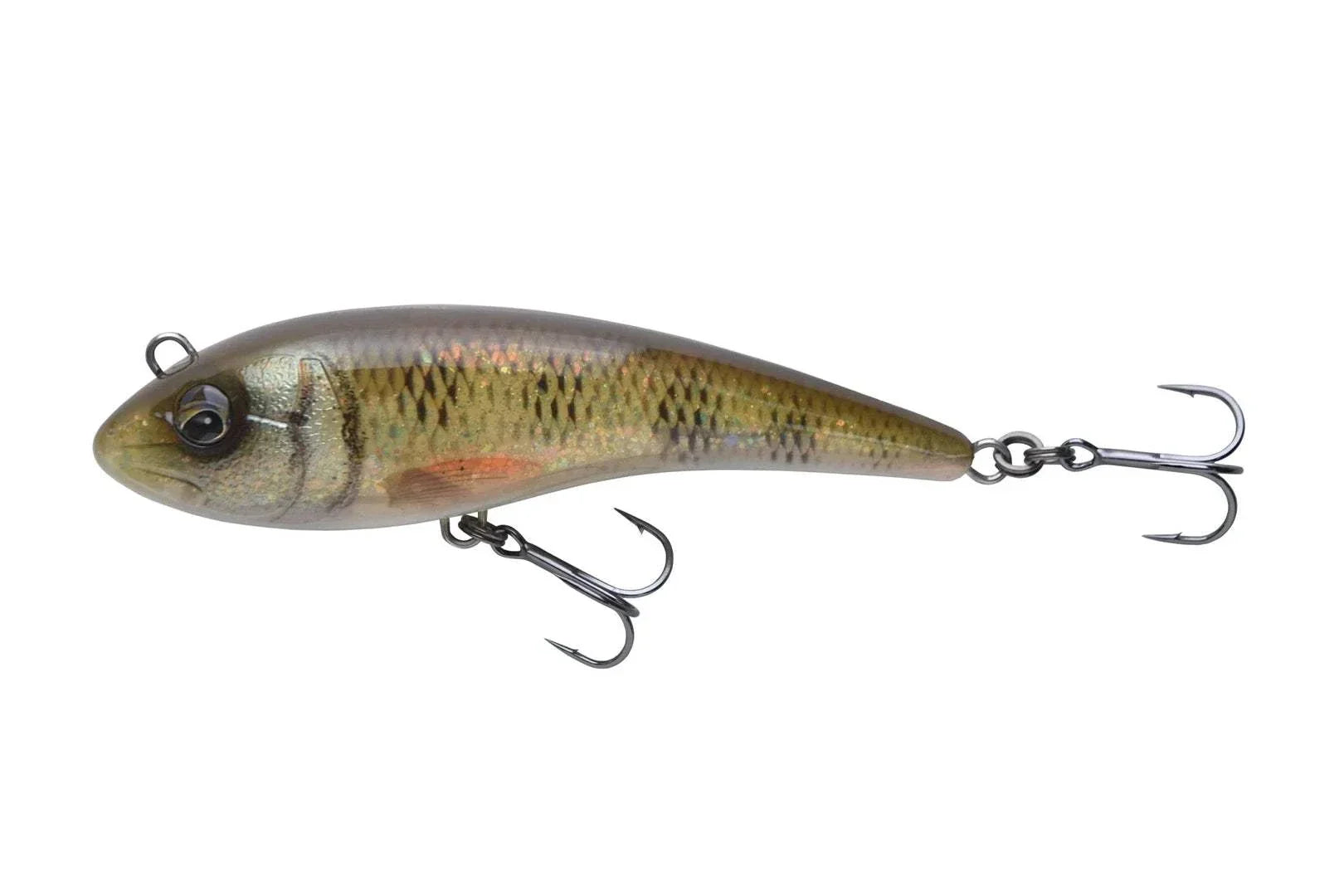
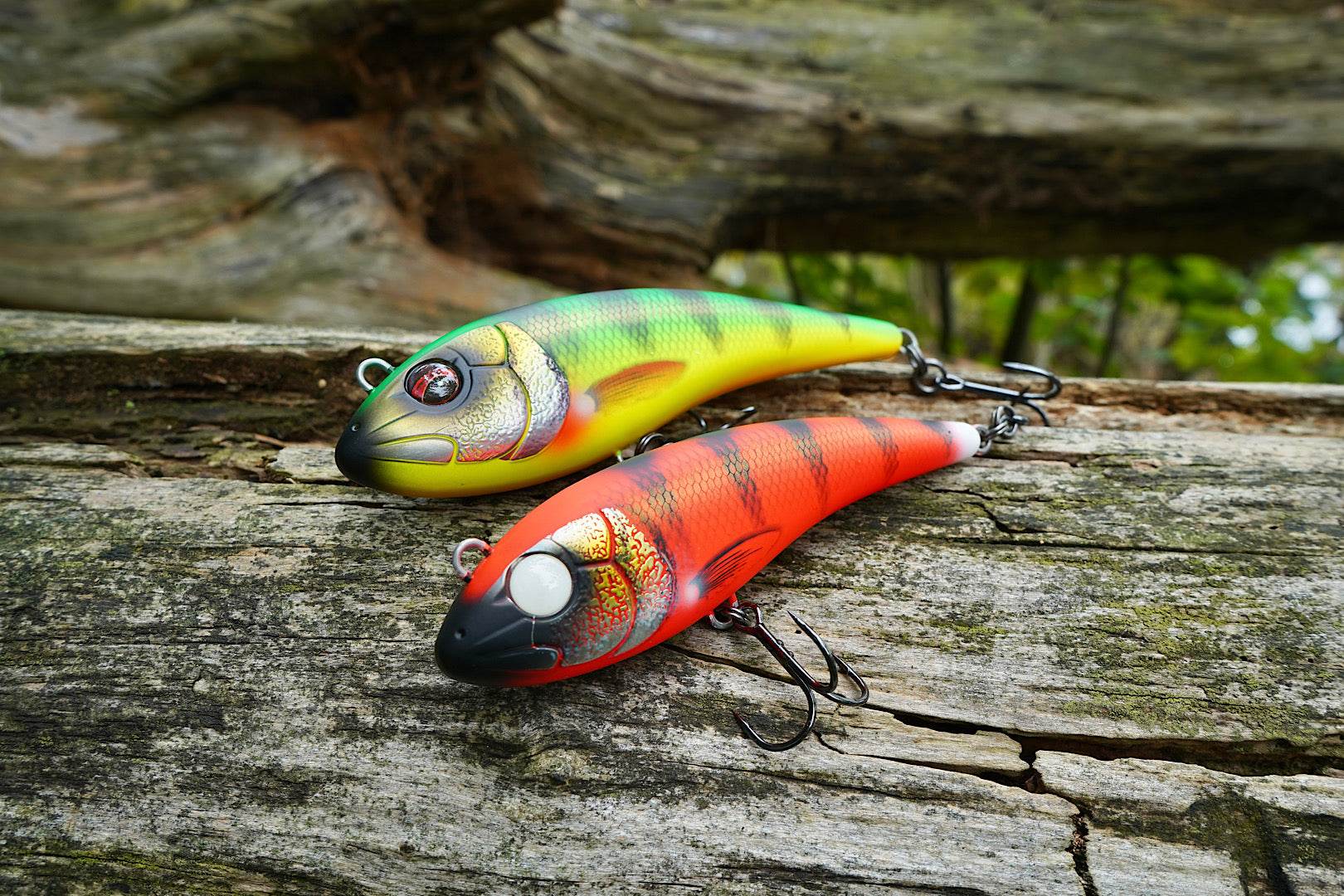
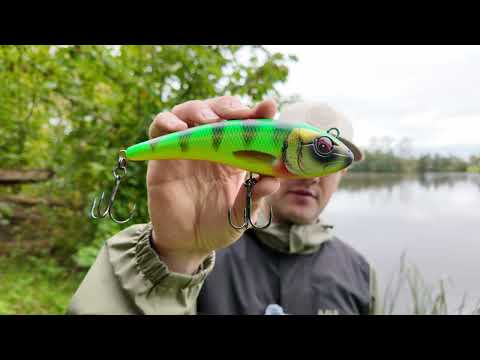
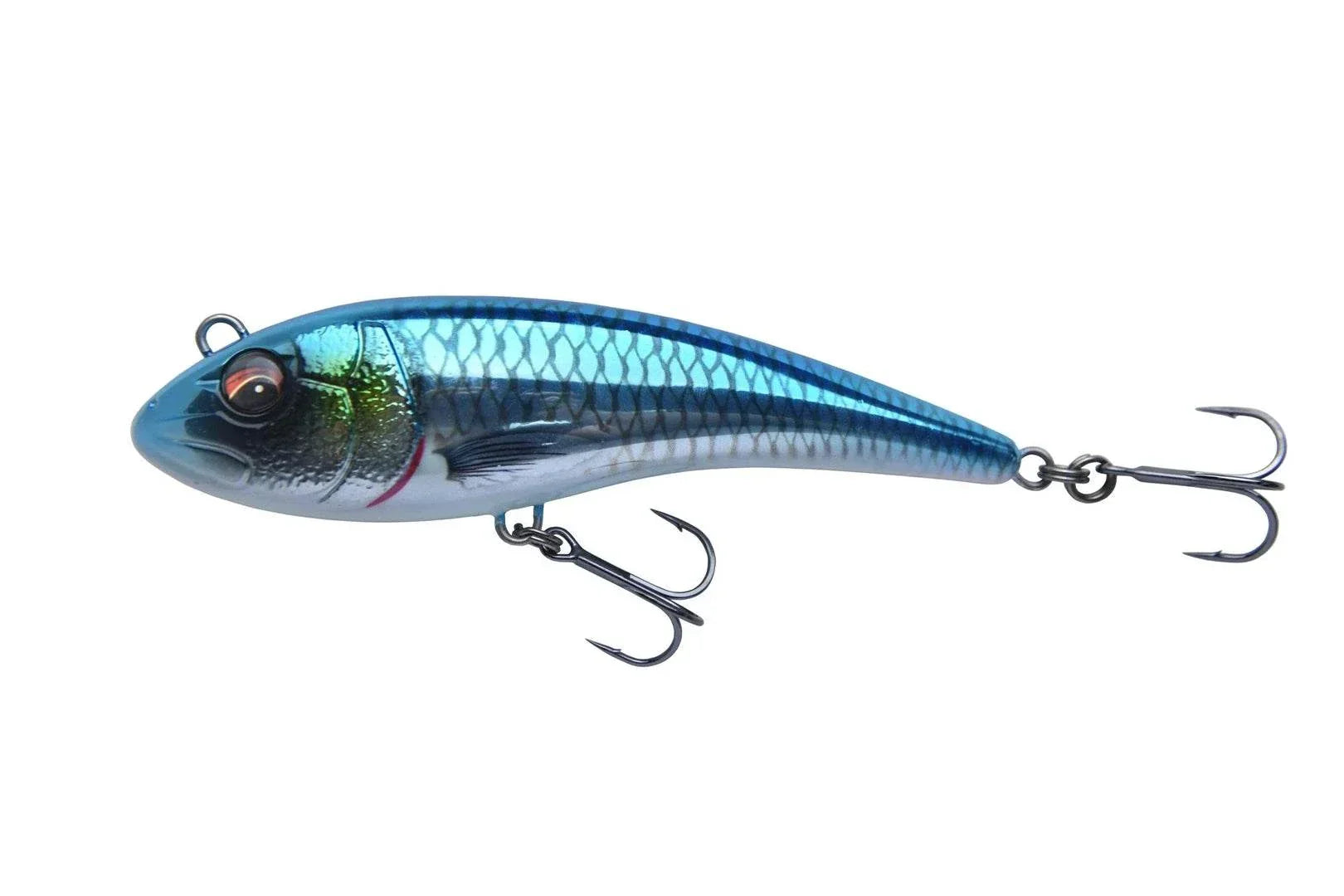
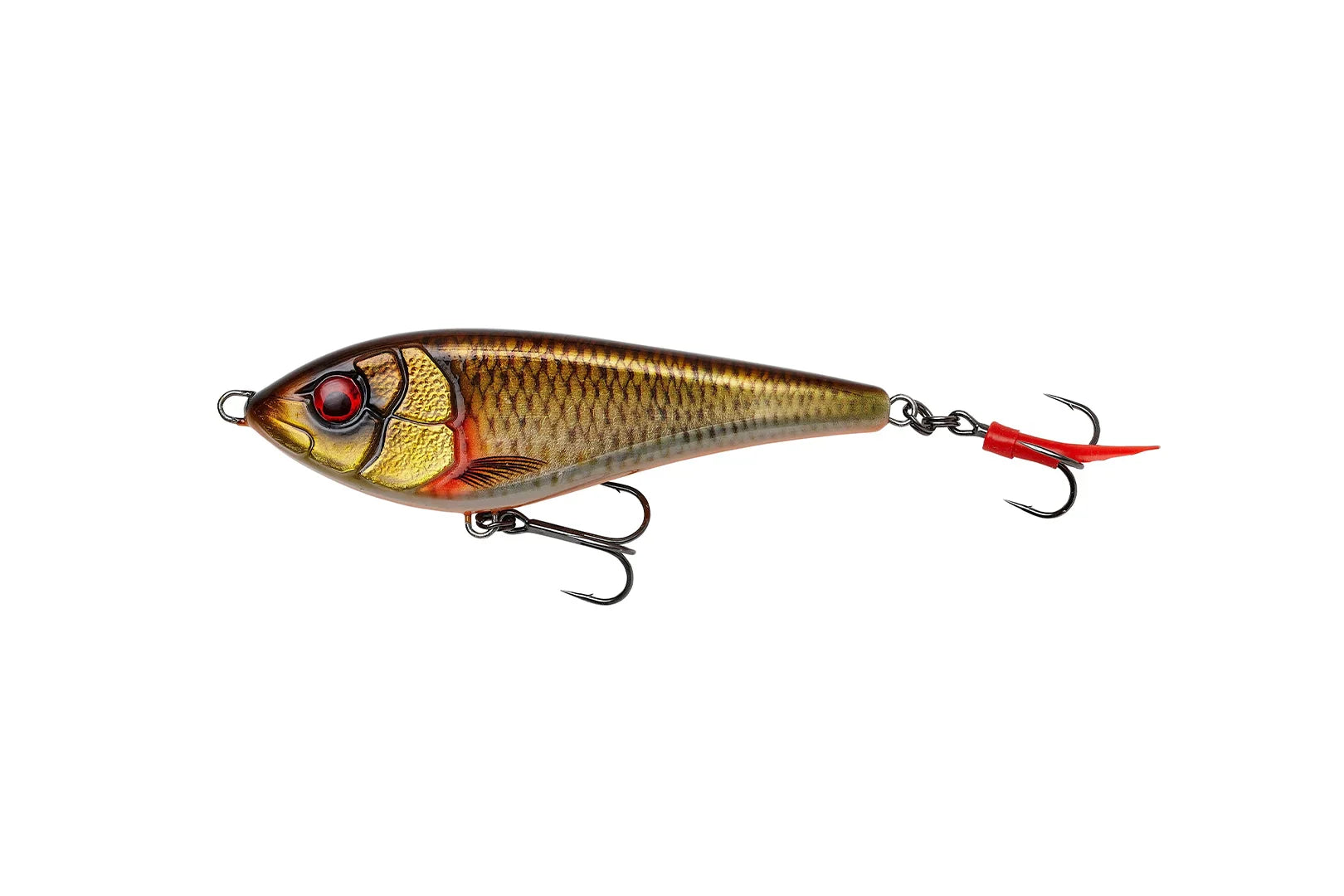
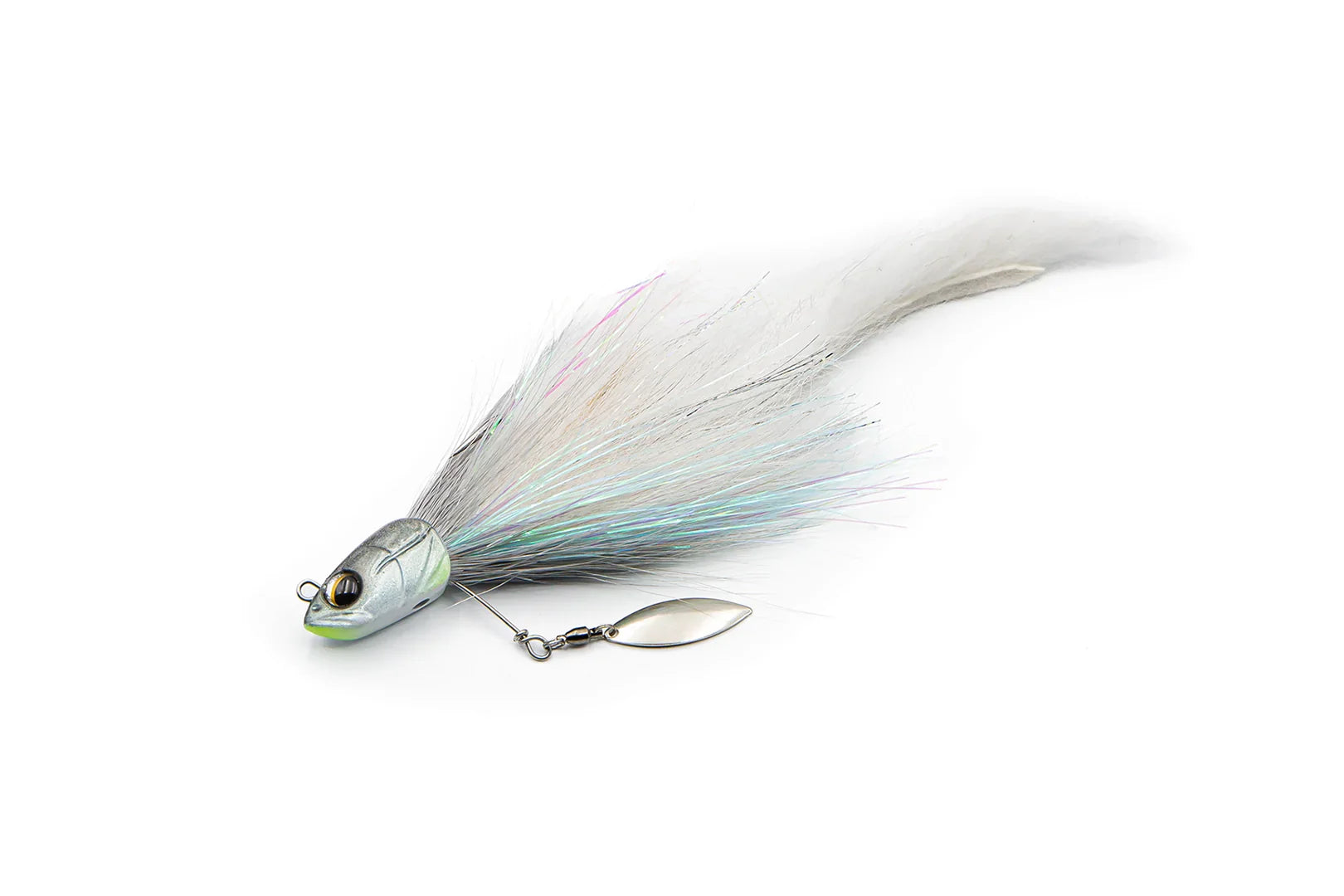
Savage Gear Low Glider Jerk 14.5 cm


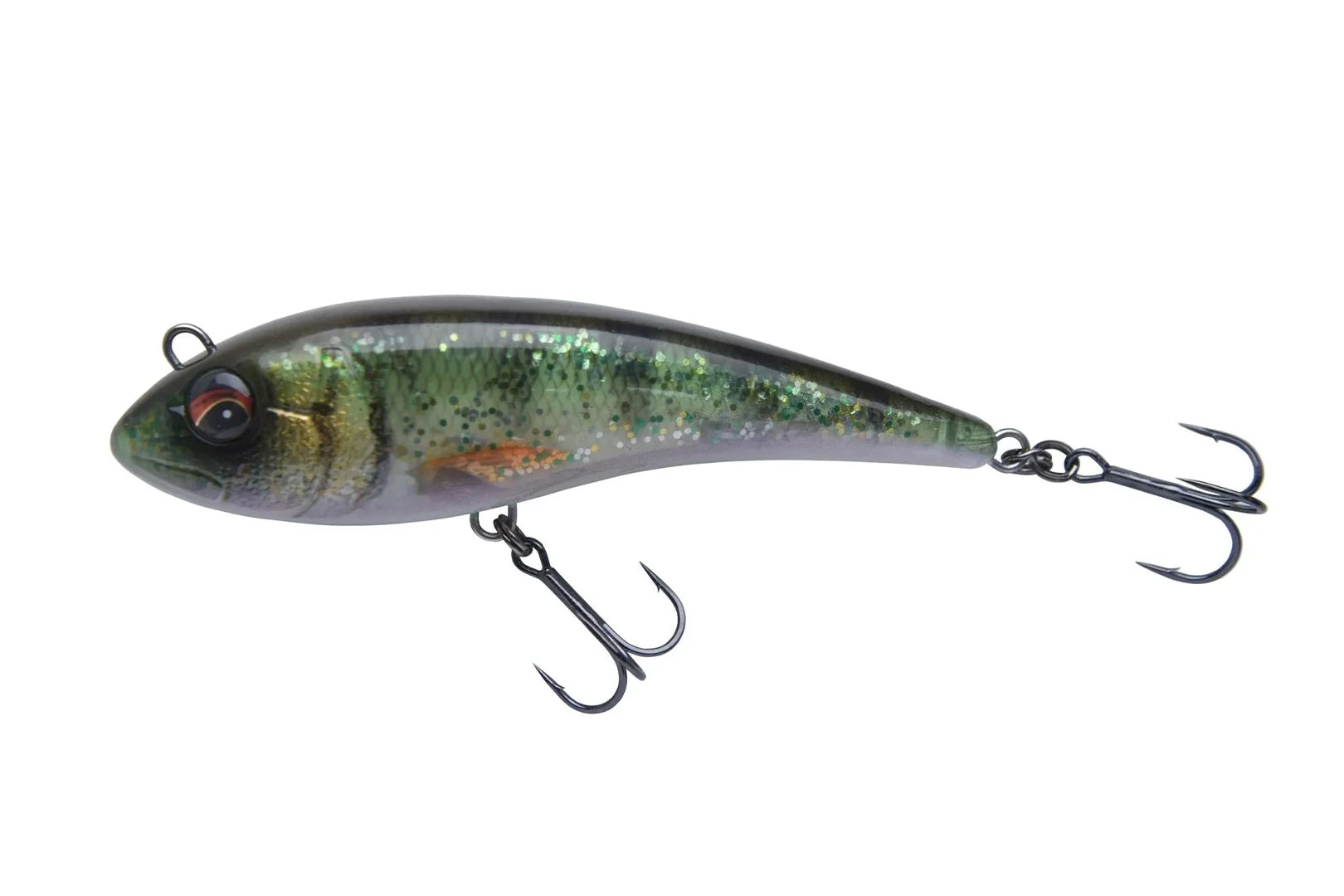
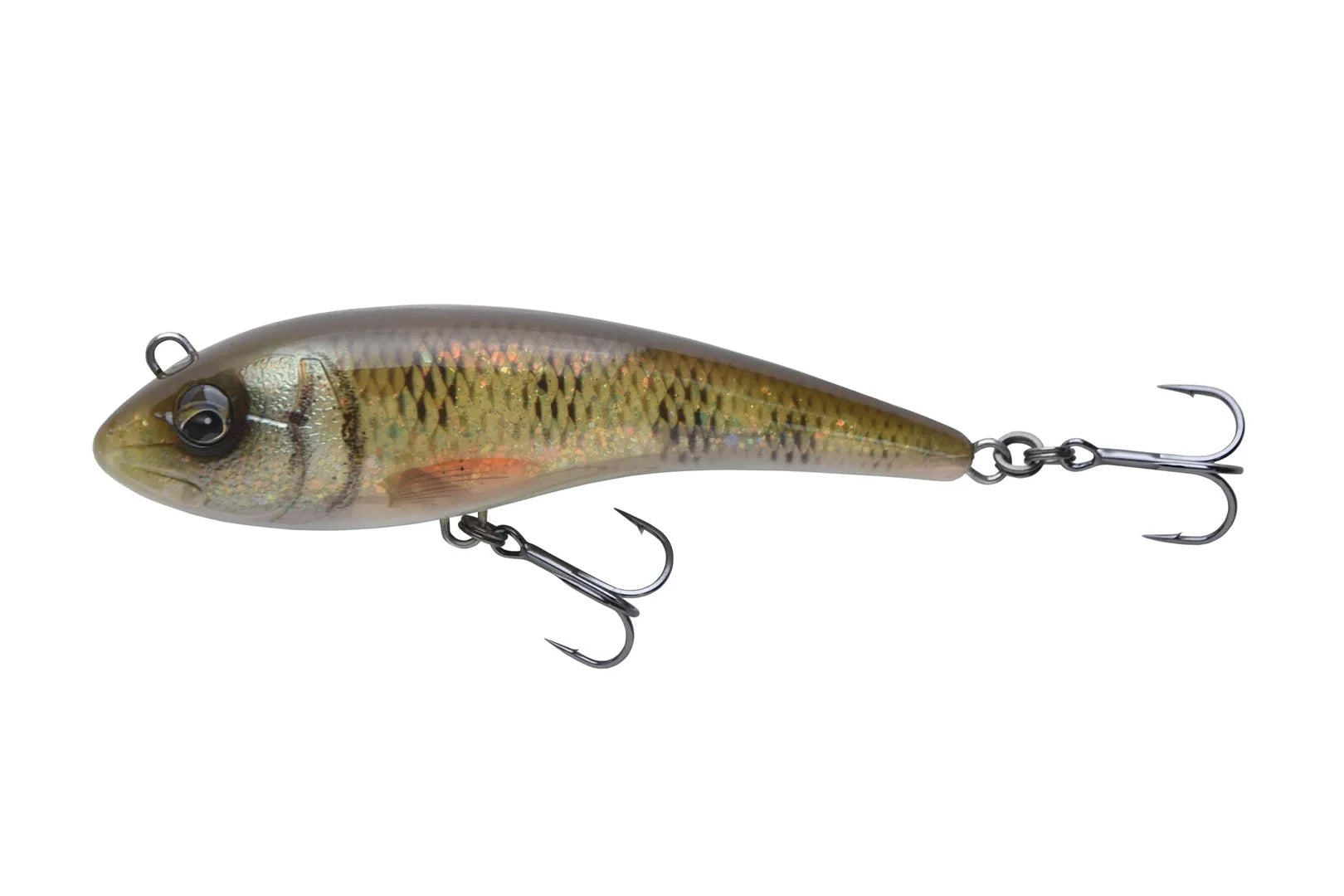
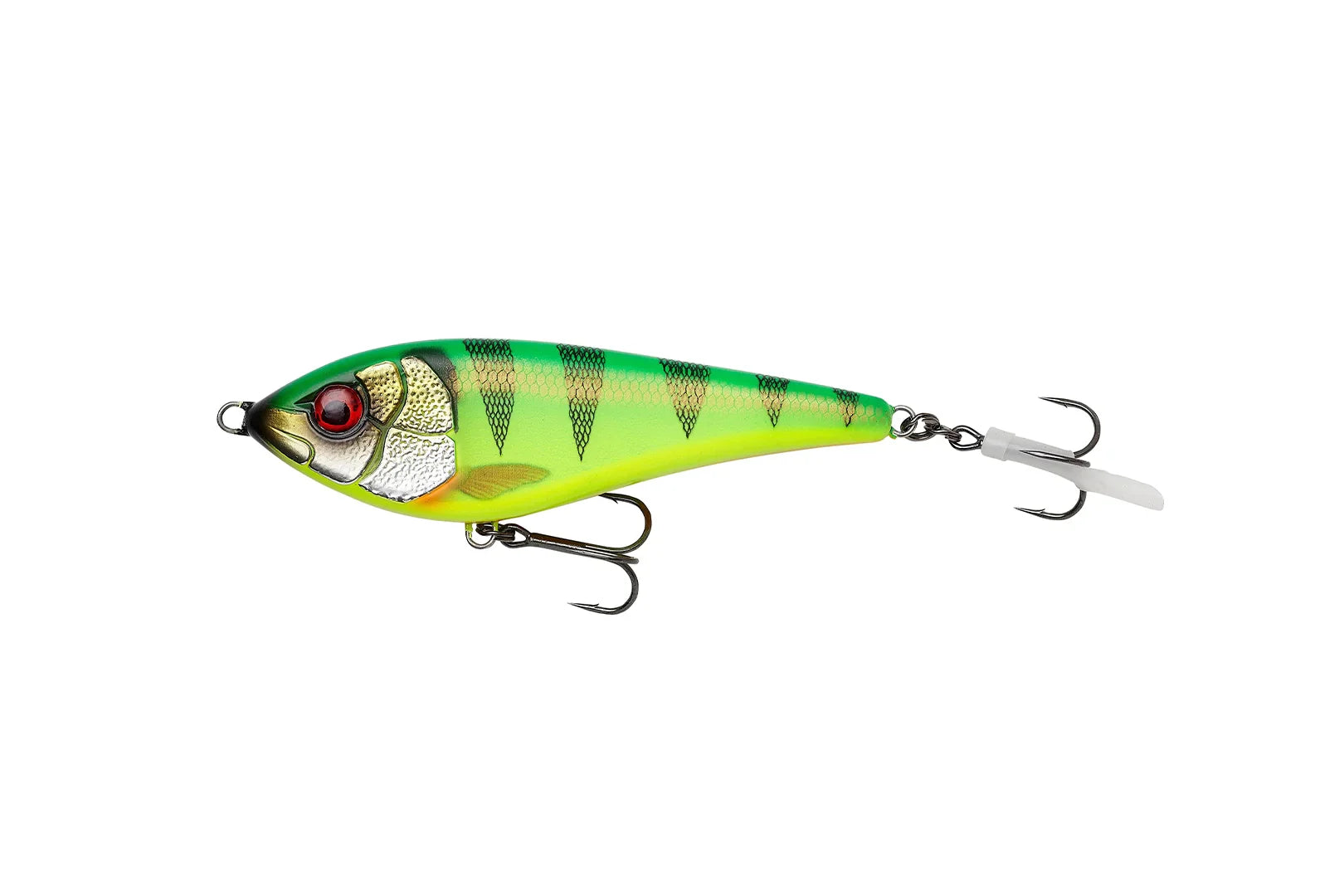
Savage Gear Low Glider Jerk 17 cm
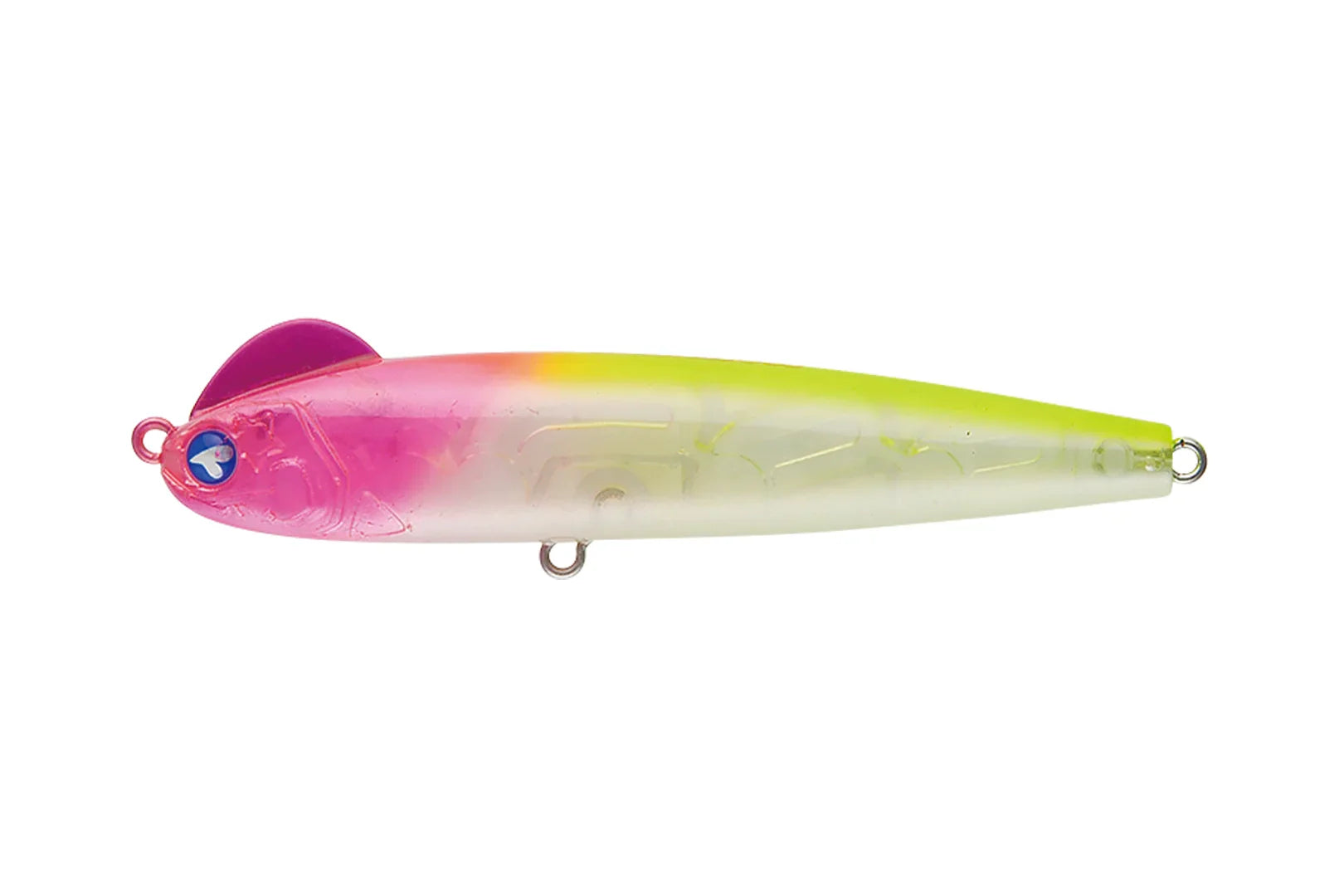
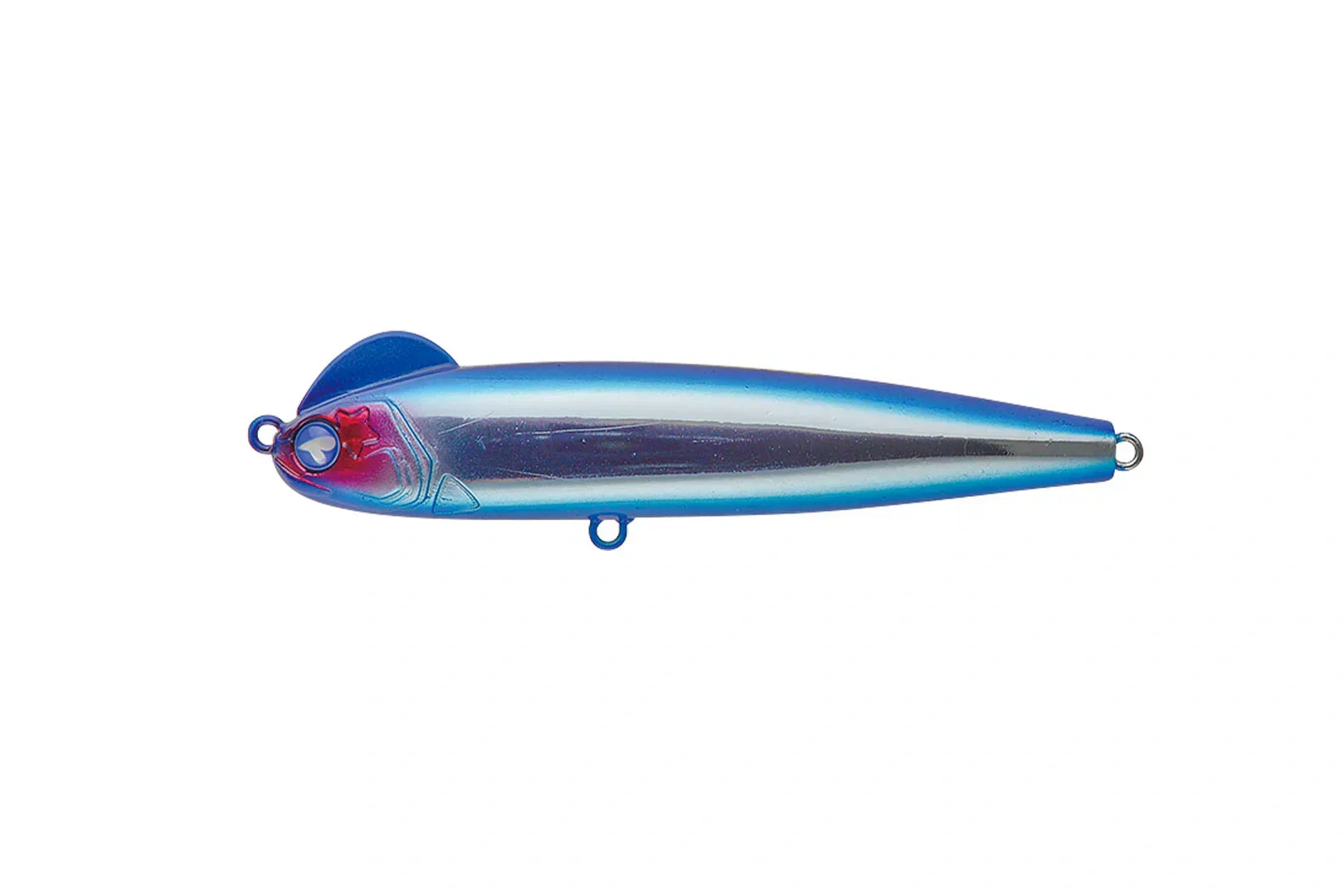
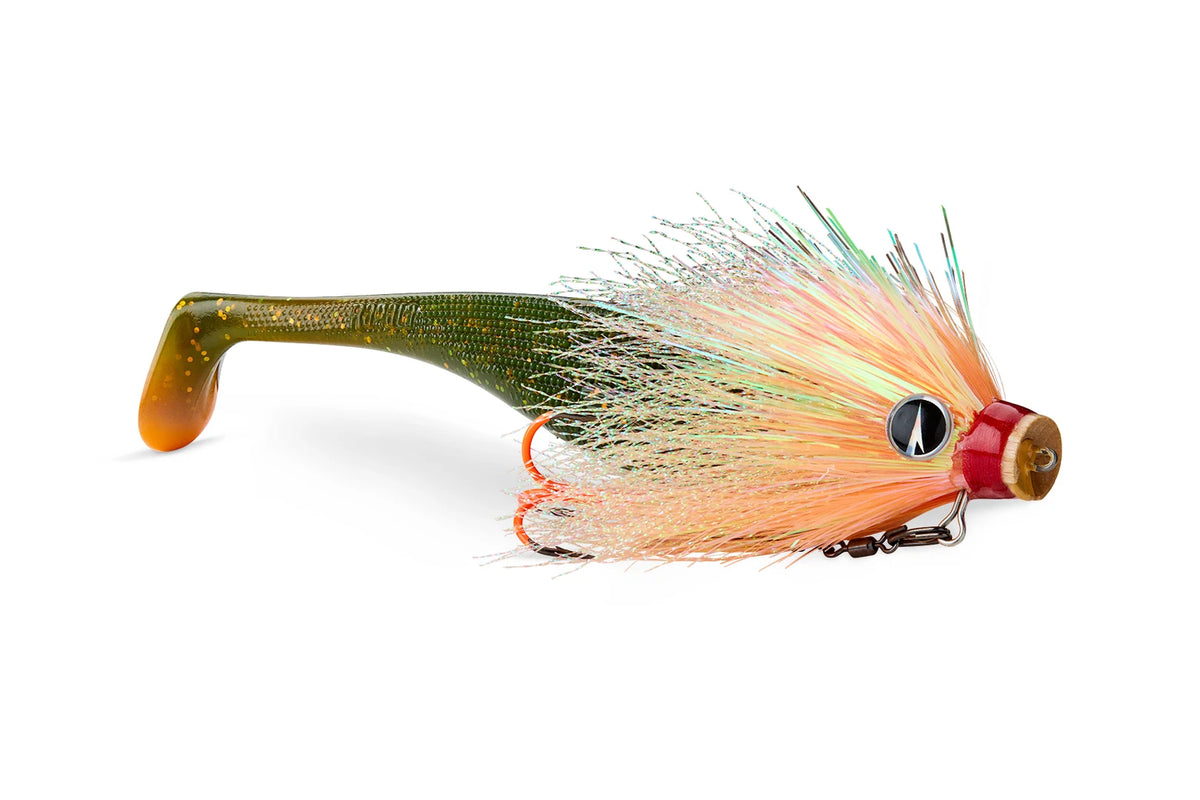
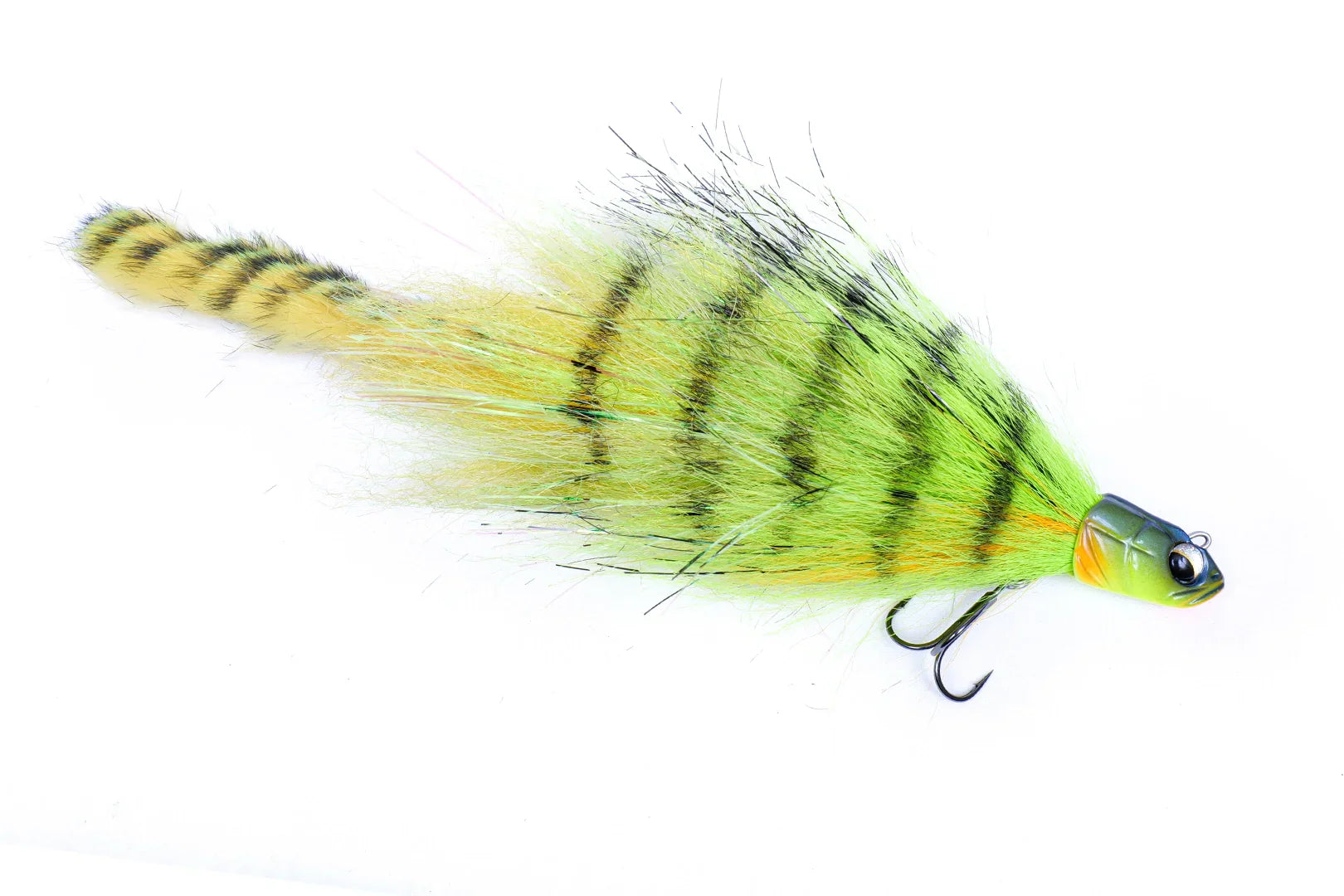
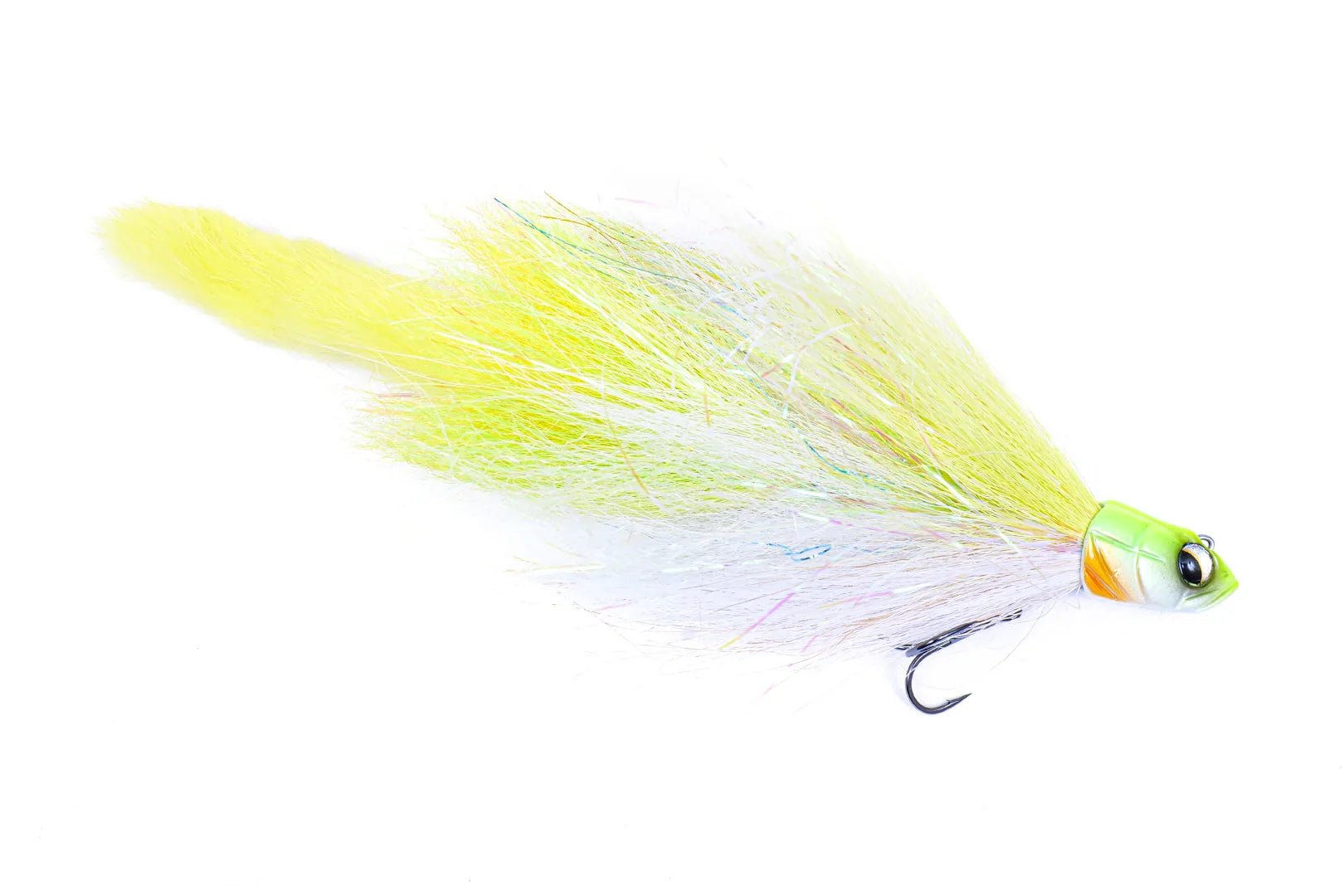
Savage Gear 3D Hybrid Pike 17 cm








Discover all our brands









Jerkbaits
Jerkbaits at Charlie's Fishing: pull baits and glide jerkbaits for pike
Jerkbaits are hard lures without a diving lip that get their action from you. Every pull, twitch or sweep of the rod sends the lure darting, gliding or diving, and on the pause it hangs, rises or sinks slowly in front of the fish. That is why jerkbaits for pike have been a classic pike lure in Northern Europe for decades: a 12 to 20 cm jerkbait shows a big pike a full meal, moves in a way no lipped lure can copy, and gives you complete control over speed, depth and the length of the pause. On this page you find our jerkbaits from Savage Gear Lures, Strike Pro, BlueBlue Fishing and Rapala: pull baits with a spring-loaded tail, glide jerkbaits that sweep from side to side, hybrid jerkbaits with a soft tail and compact Japanese models for pressured water. We explain the difference between a pull bait and a glider, what floating and sinking mean for the way you fish, which rod, baitcaster and wire trace you need, and which jerkbait works in which season. All of these are hard lures. For soft lures that are fished in a similar way, see Soft Swimbaits and Glidebaits, and for every hard lure for pike start on Pike Hardbaits.
Pull baits and glide jerkbaits: what is the difference?
Jerkbaits come in two families, and the way you move the rod is different for each. A pull bait (also called a diver or a tail bait) has a compact, deep body with the weight low and a soft tail at the back. A long, firm pull with the rod makes it dive and kick, and on the pause it rises or sinks back slowly with the tail fluttering. You fish it with pulls of 30 to 80 cm and a pause after each one, often in a steady rhythm of pull, pause, pull, pause. The Strike Pro Guppie is the classic example. A glide jerkbait (a glider) has a flatter, longer body that is balanced to slide to one side on a short twitch and to the other side on the next. Fished with short, soft taps and slack line it walks left and right under the water, and on a steady retrieve many gliders swim a wide S-curve on their own. The Savage Gear Low Glider Jerk 14.5 cm and the Savage Gear Deviator Swim are gliders. As a rule, a pull bait is the lure for cold water, deep edges and pike that need a slow, vertical movement in front of them, while a glider covers more water, works in the upper layers and triggers pike that follow and hesitate. Read our guide What is a glidebait? How to fish glidebaits? for the technique, and see Swimbaits & Glidebaits for the jointed big baits that are fished on a straight retrieve.
Glide jerkbaits for pike
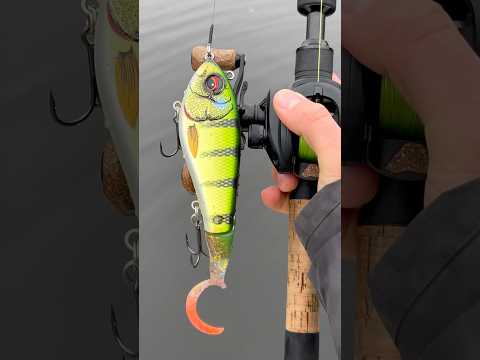
The Savage Gear Low Glider Jerk 14.5 cm (76 g, slow sinking, about 1.5 to 2 m) is the glider we recommend first. It has a through-wire build, a PU-foam filled body that keeps its shape, a loud tubular rattle and extra-strong forged split rings with two SGY 1X BN trebles. The glide is low and wide with a belly flash on every turn, and it is made to be fished slowly along drop-offs, over structure and in open water. The Savage Gear Low Glider Jerk 17 cm (112 g, slow sinking, about 1.5 to 2 m) is the same lure in the big size, the one for hard-fished water and for autumn, when pike look for a proper meal. Read our review Savage Gear Low Glider Review: why this glidebait catches big pike. For clear water and pike that follow without taking, the Savage Gear Deviator Swim (12.5 cm, 50 g) is a compact glider with a smooth, predictable side-to-side action on a steady retrieve and a controlled glide on subtle twitches; it is heavy for its size, so it casts well from the bank. Gliders of 12 to 15 cm also catch zander, and we explain that in Zander Glidebaits.
Pull baits and hybrid jerkbaits with a soft tail
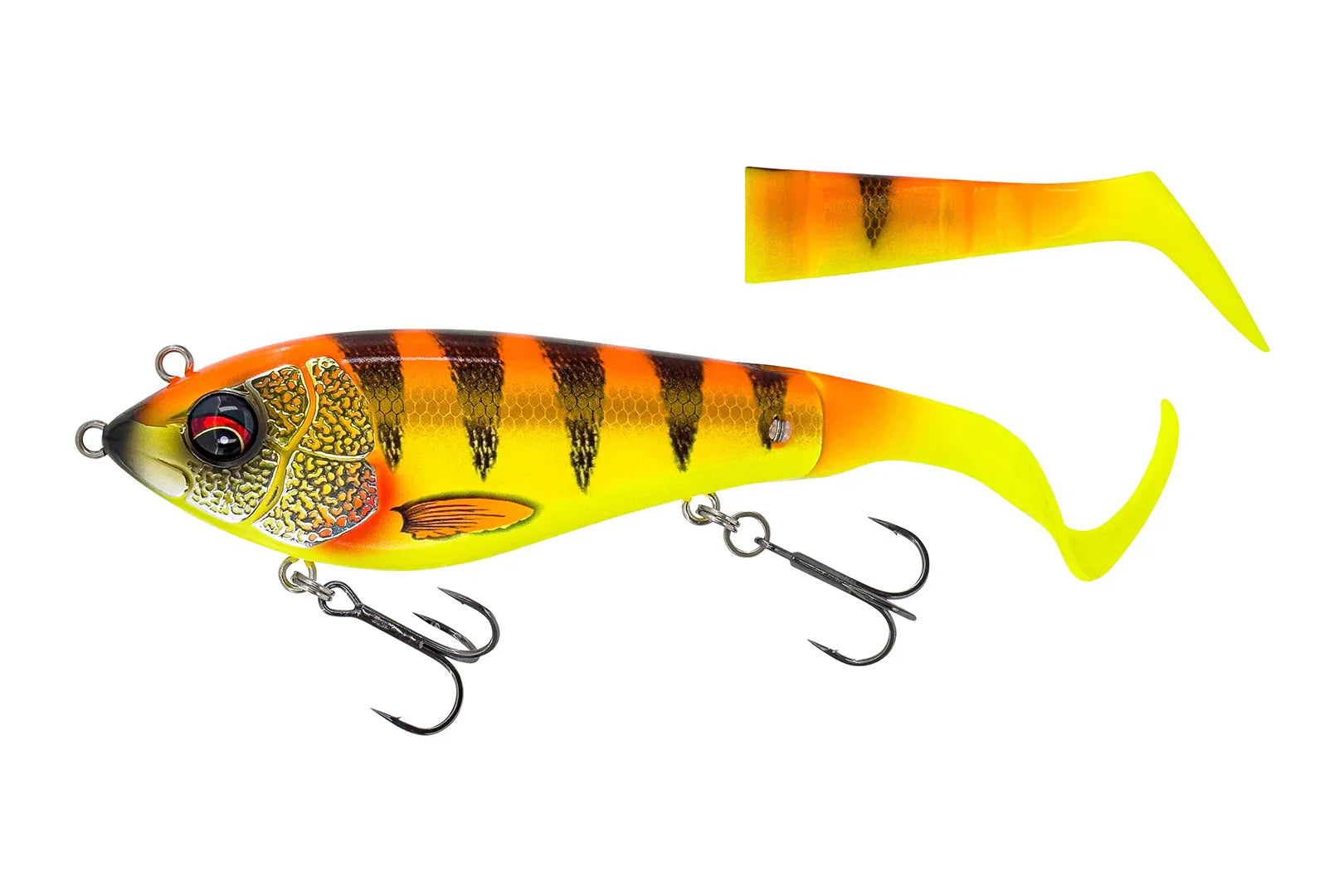
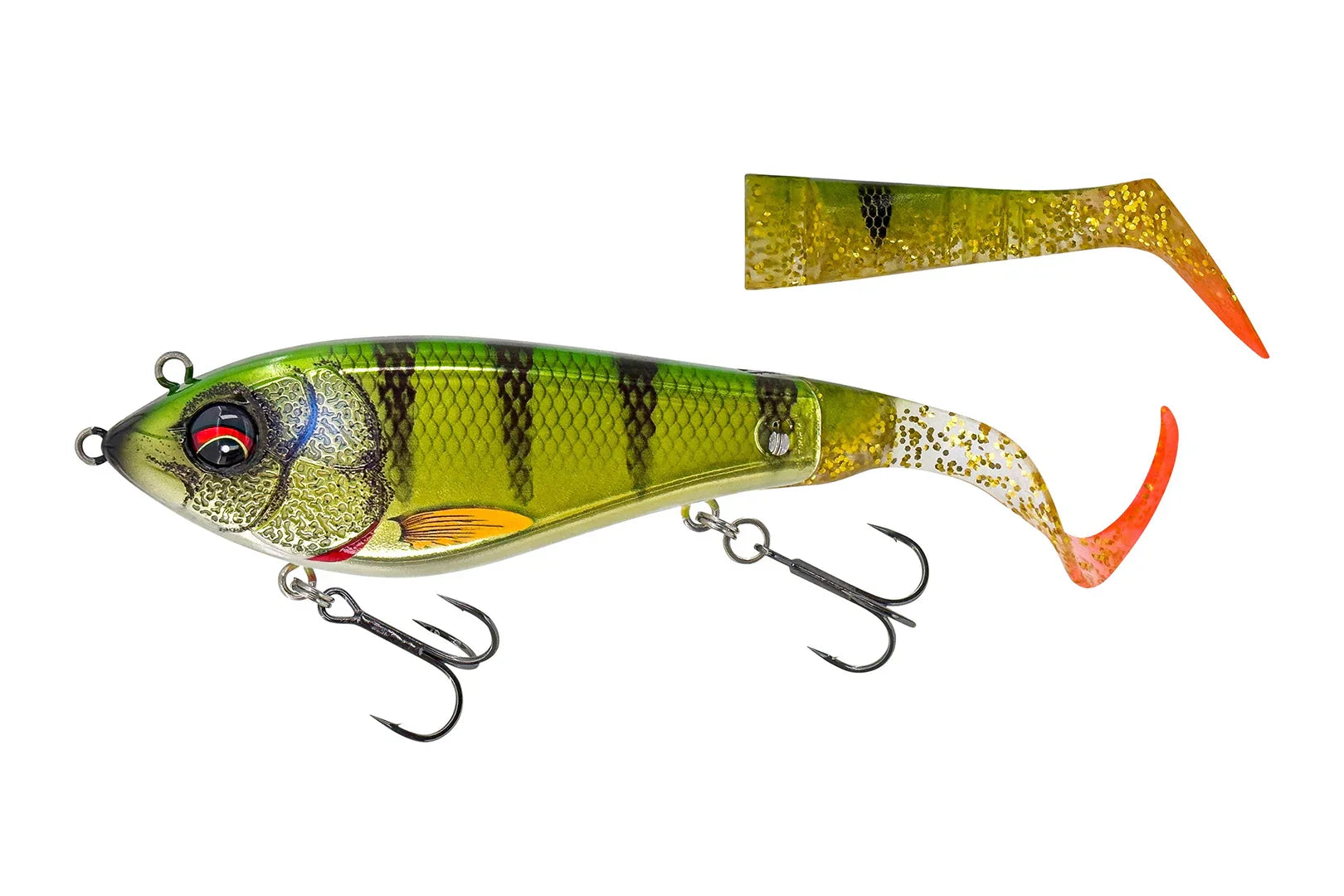
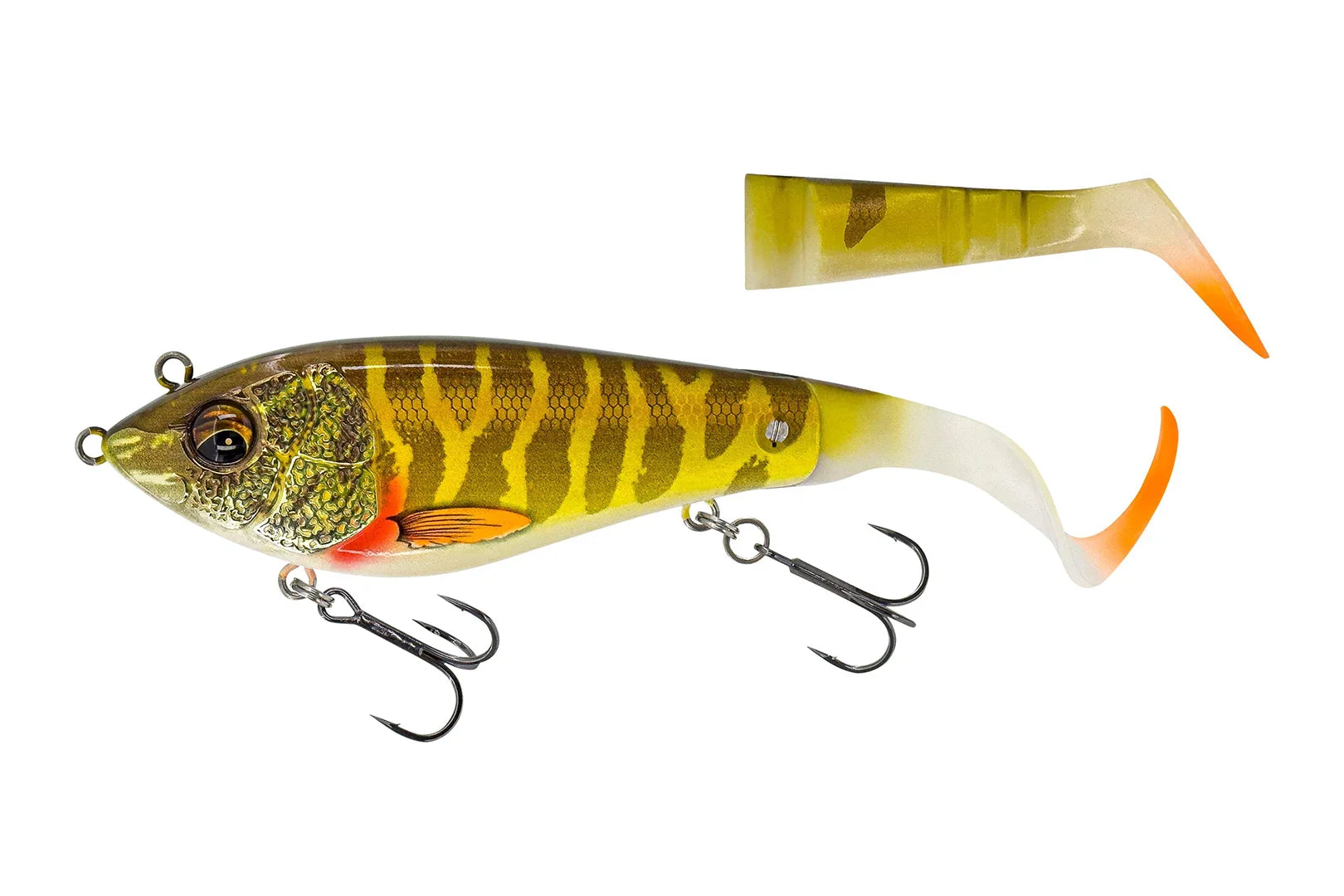
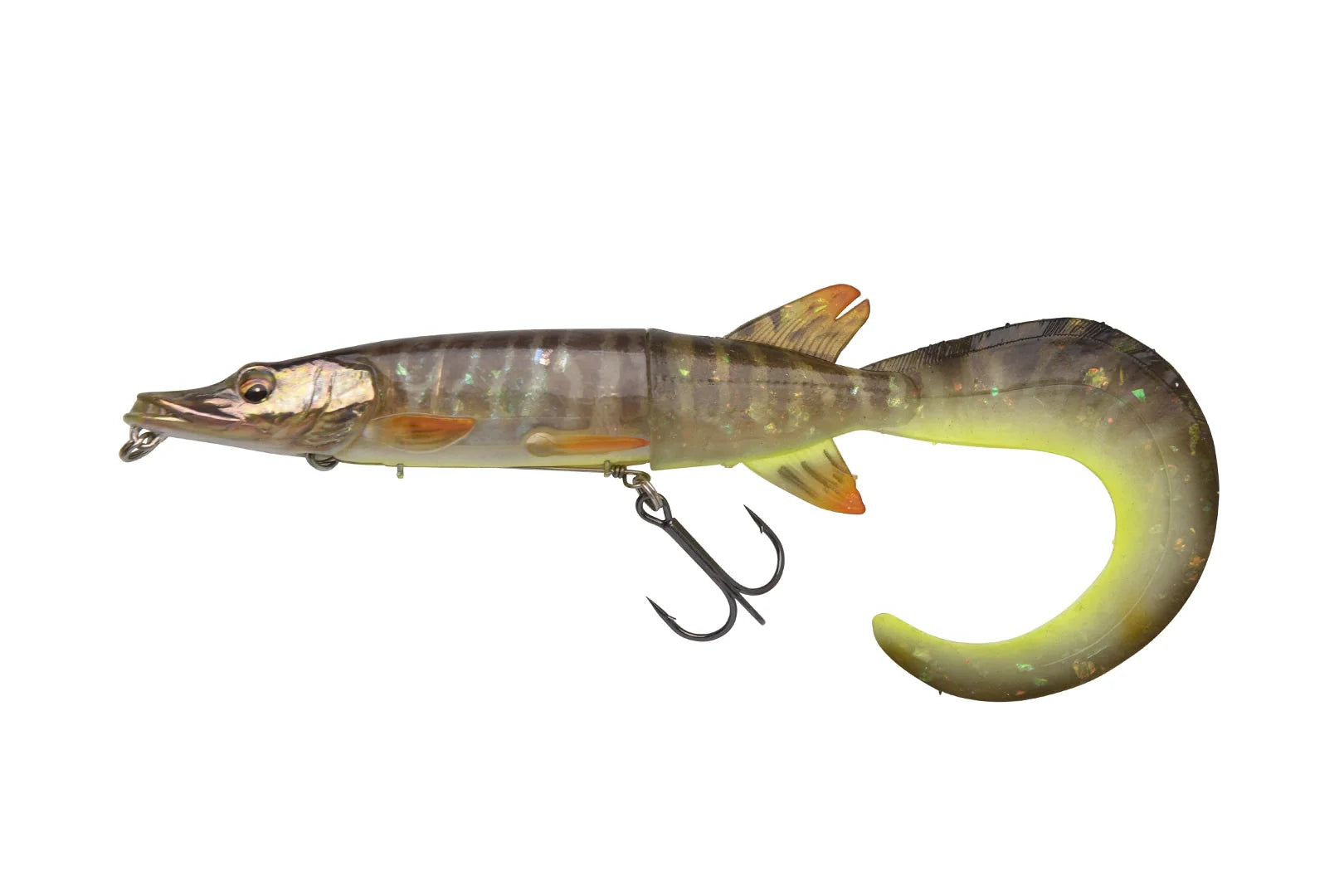
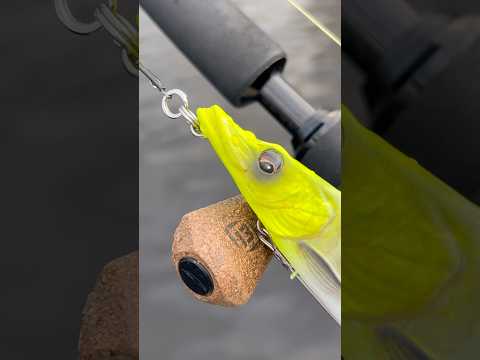
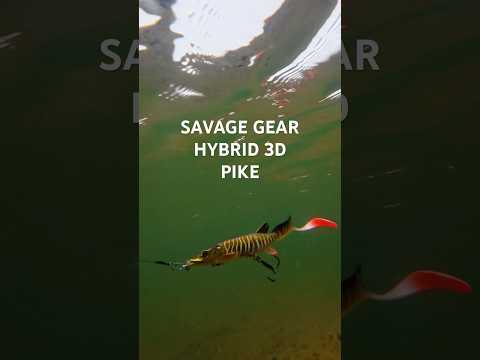
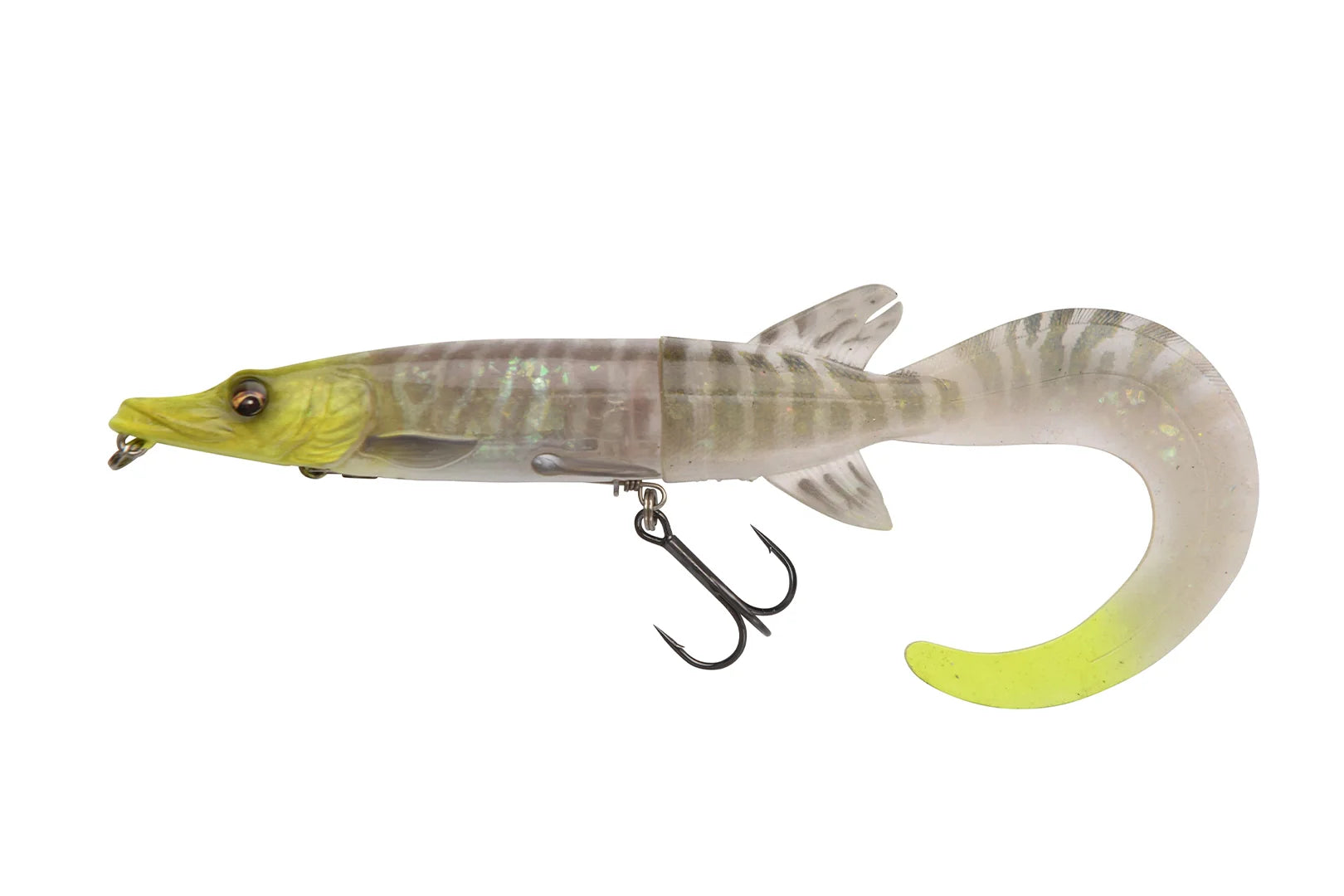
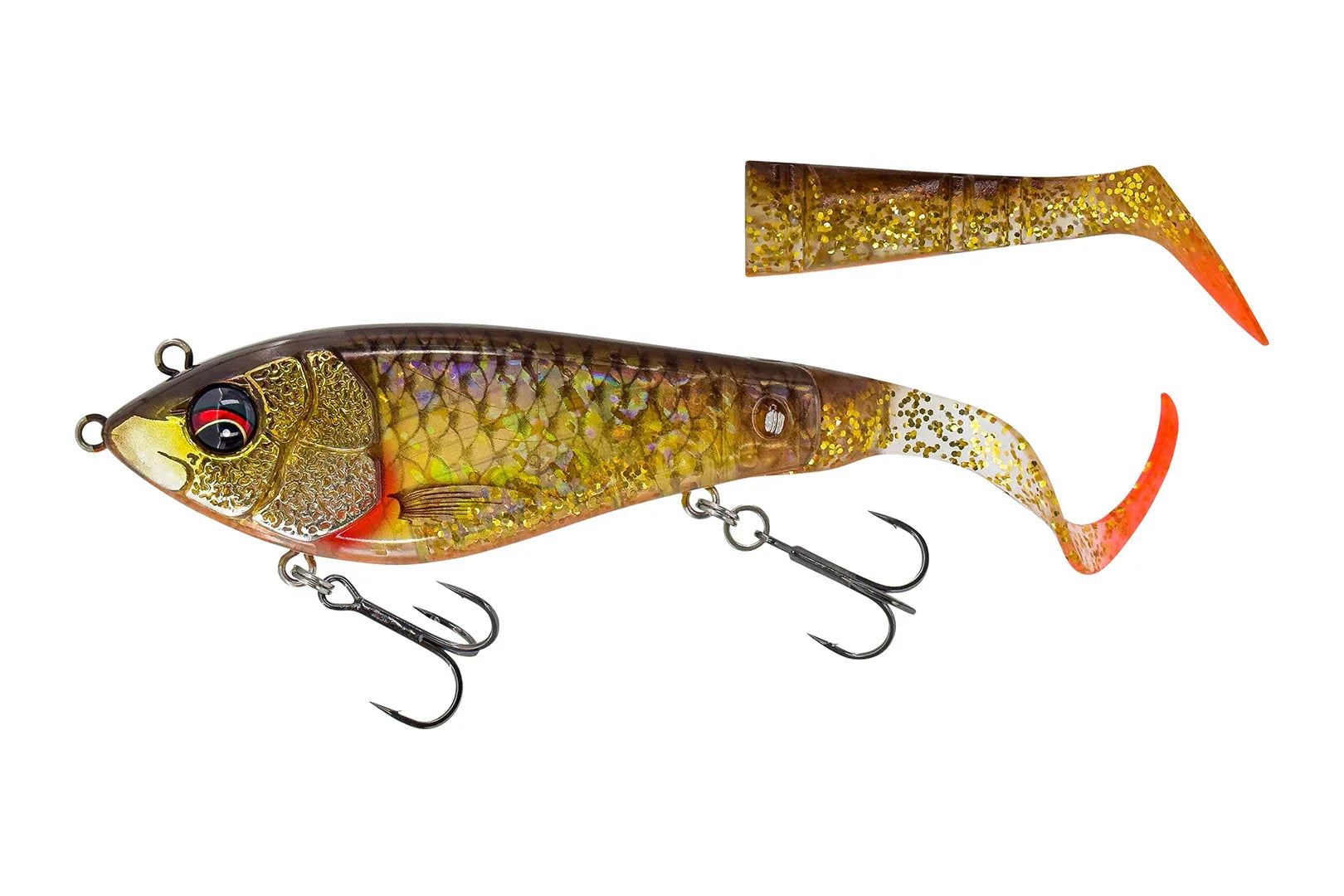
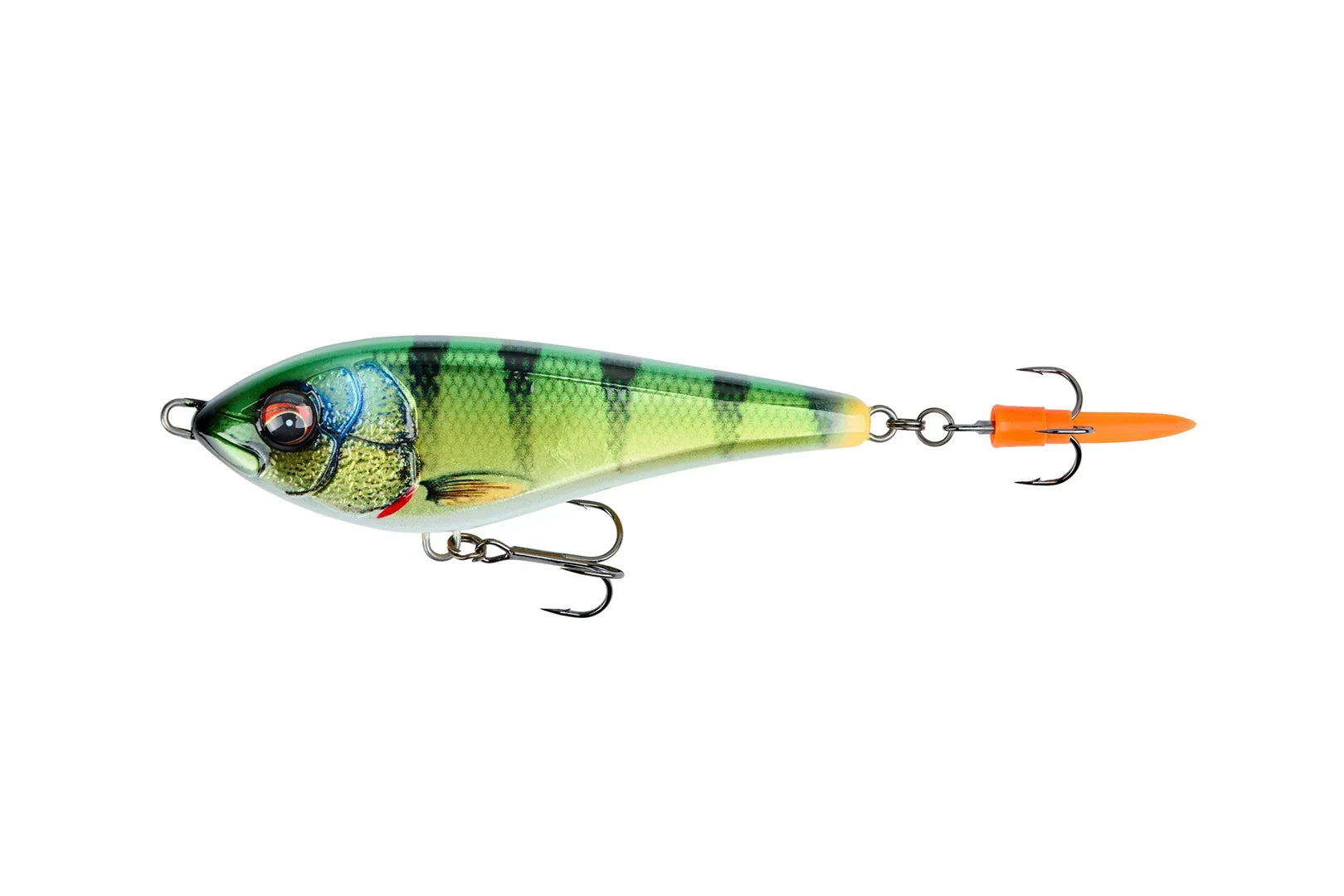
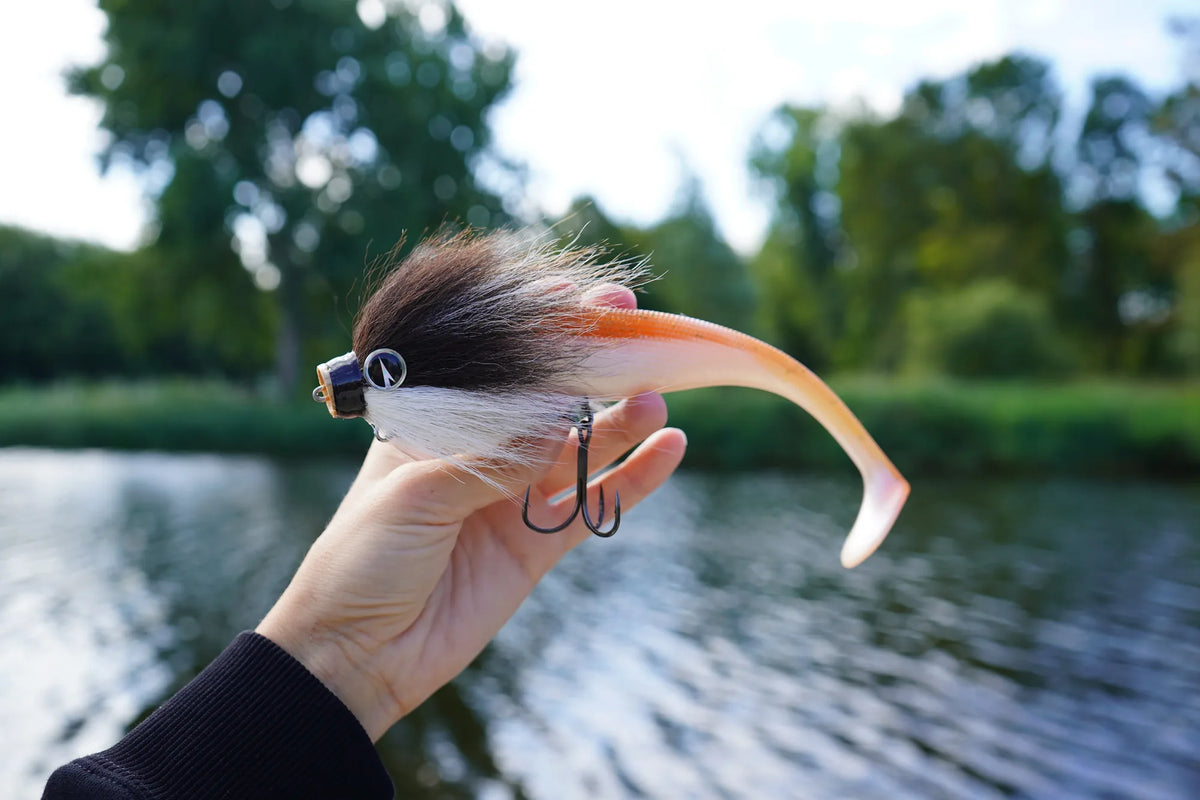
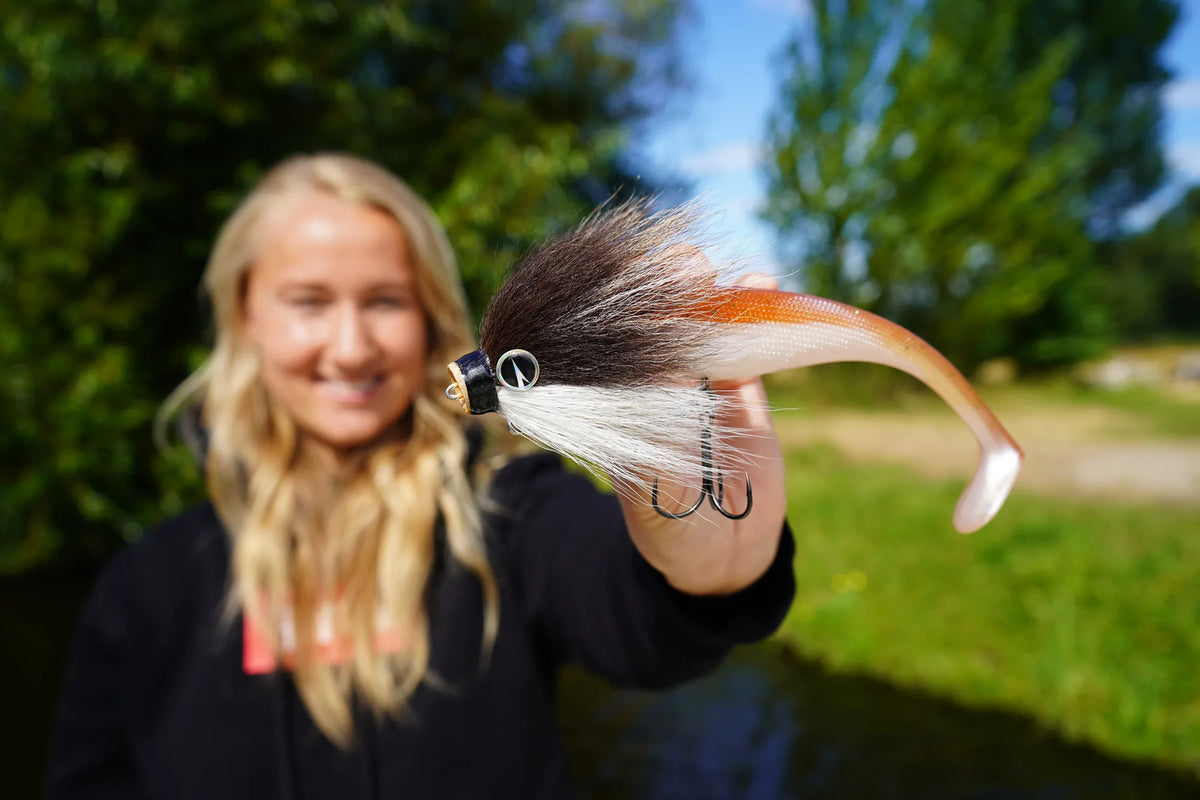
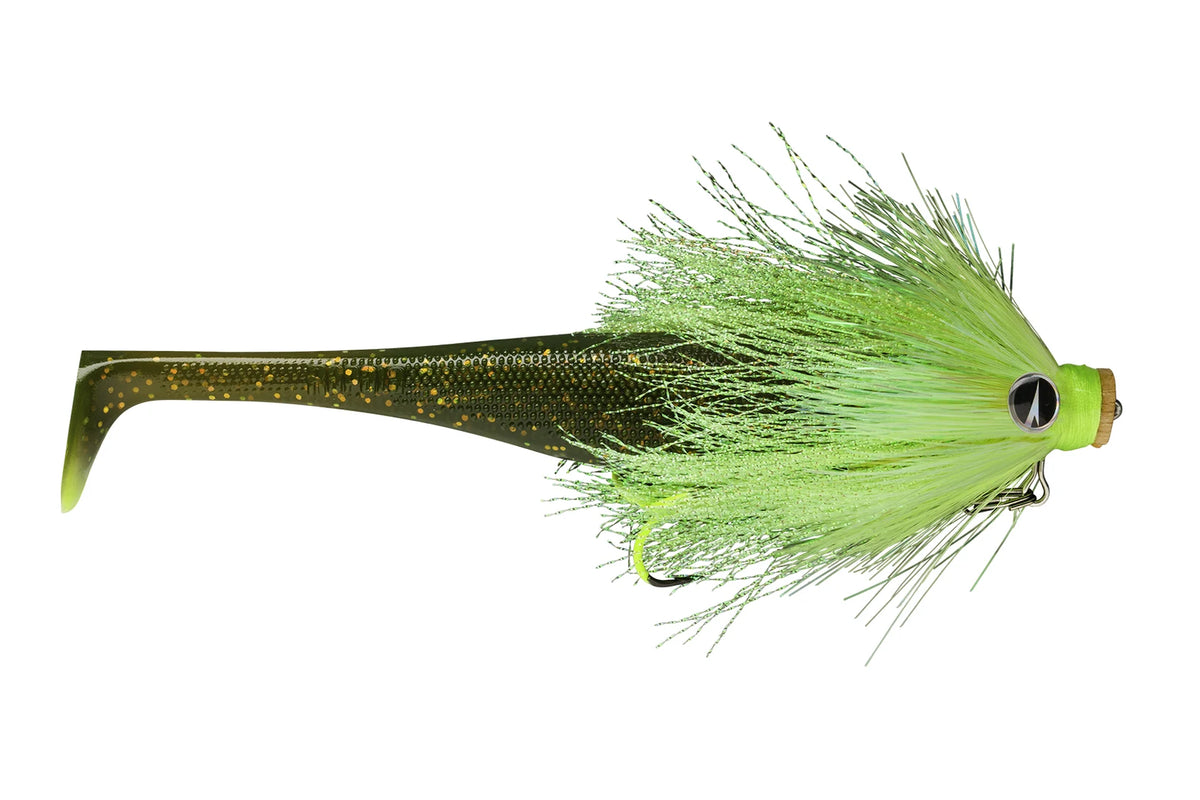
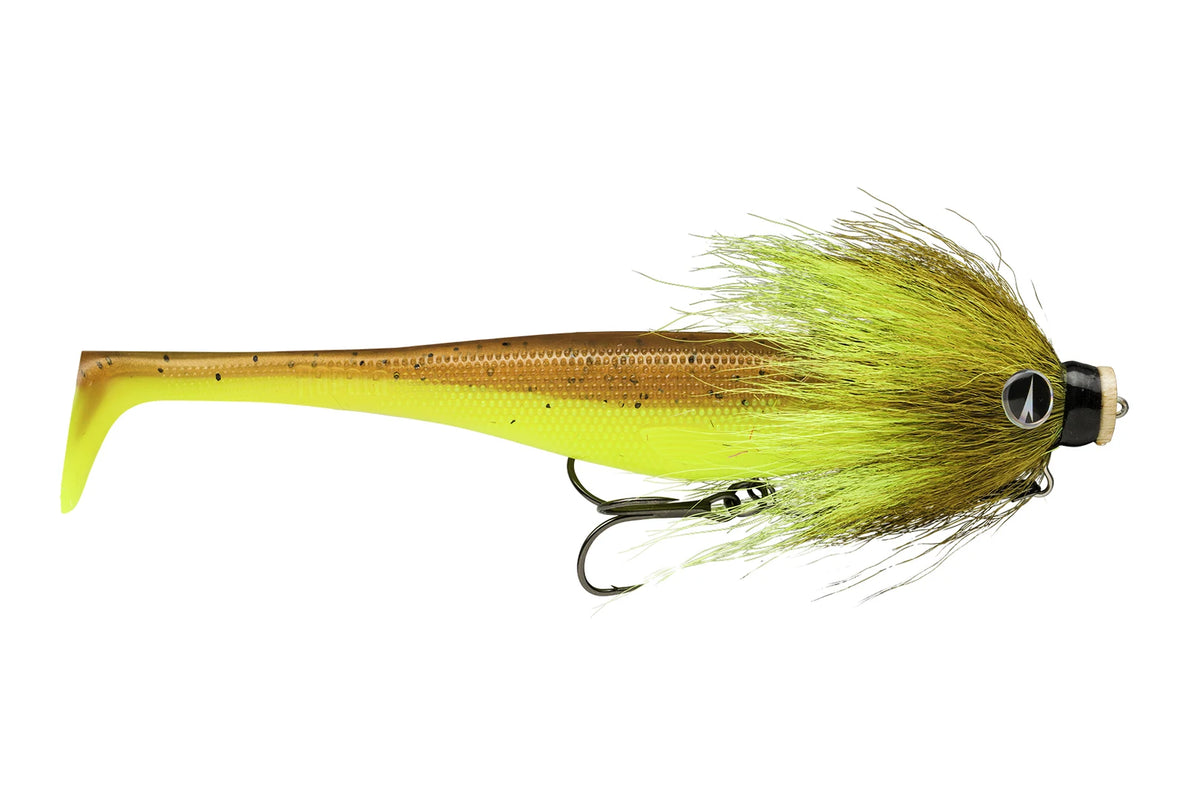
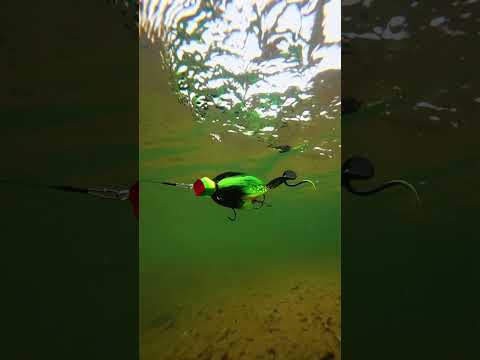
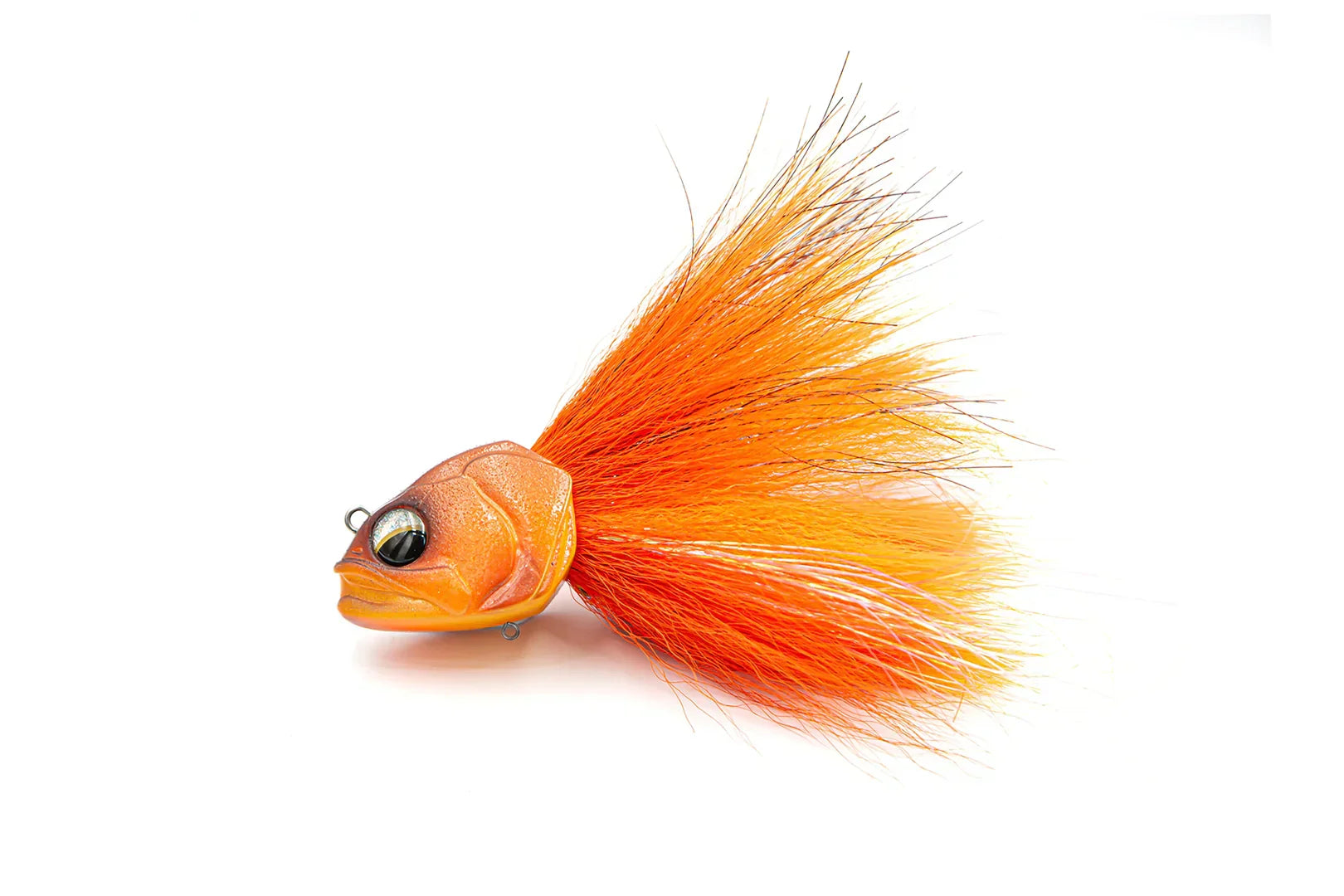
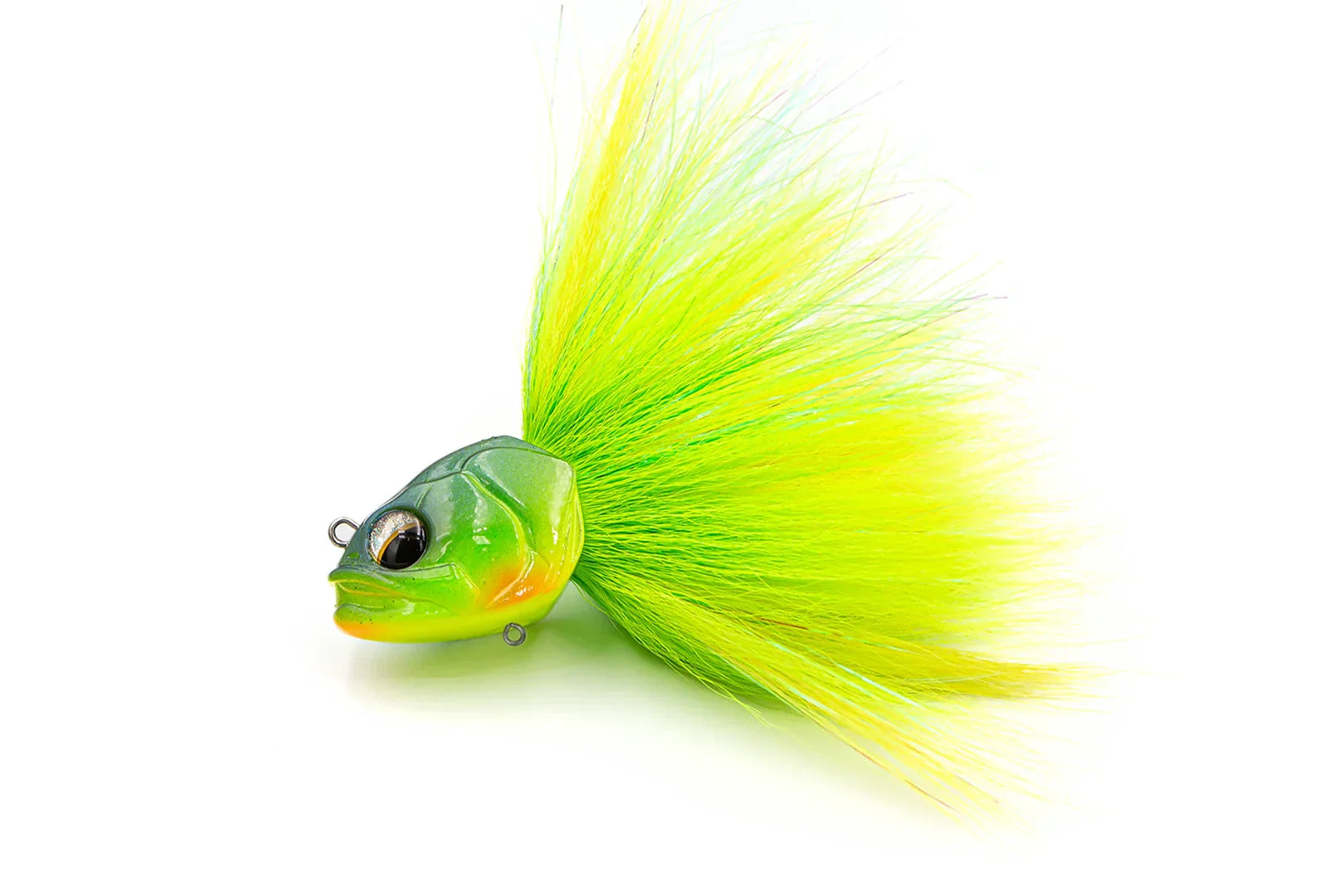
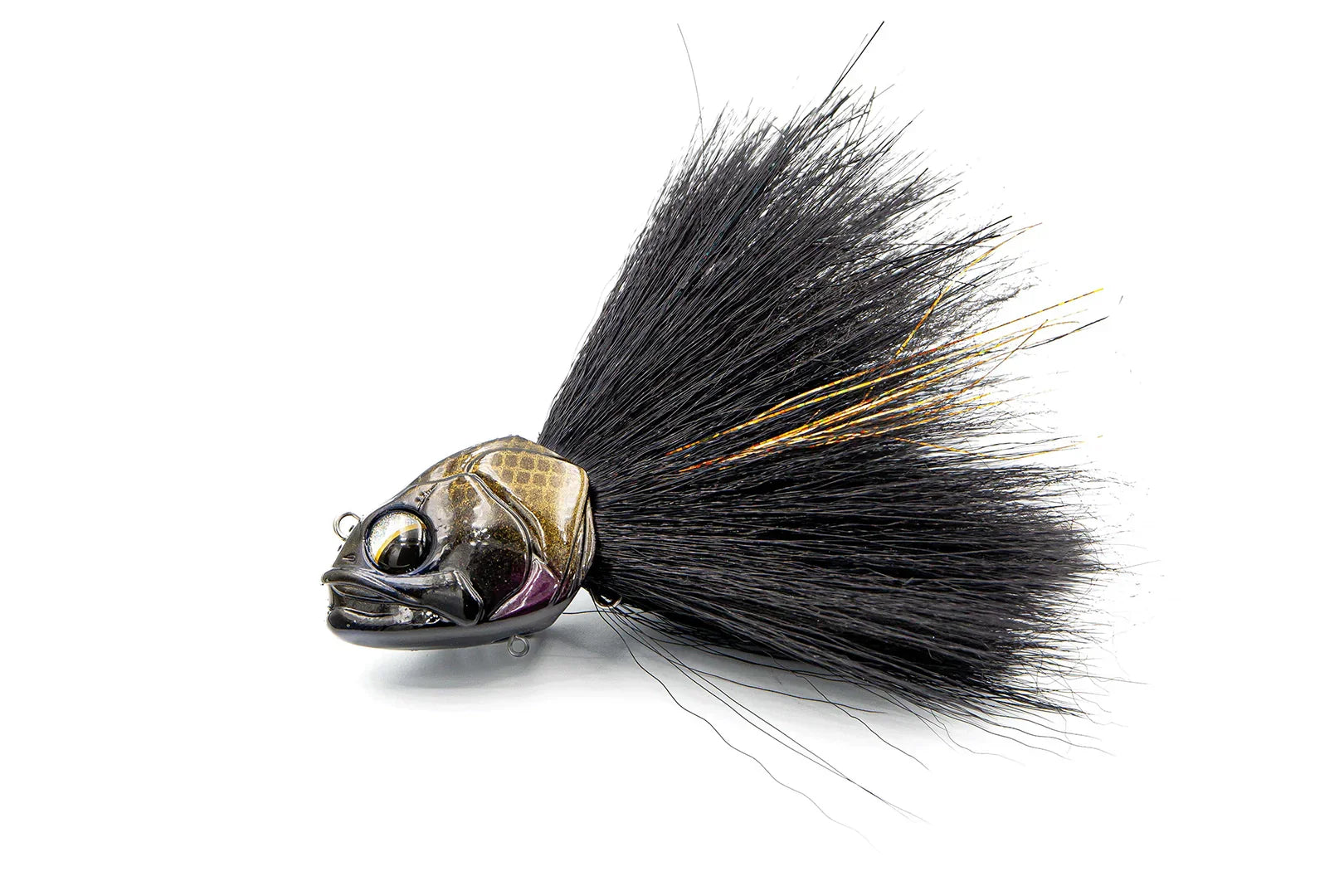
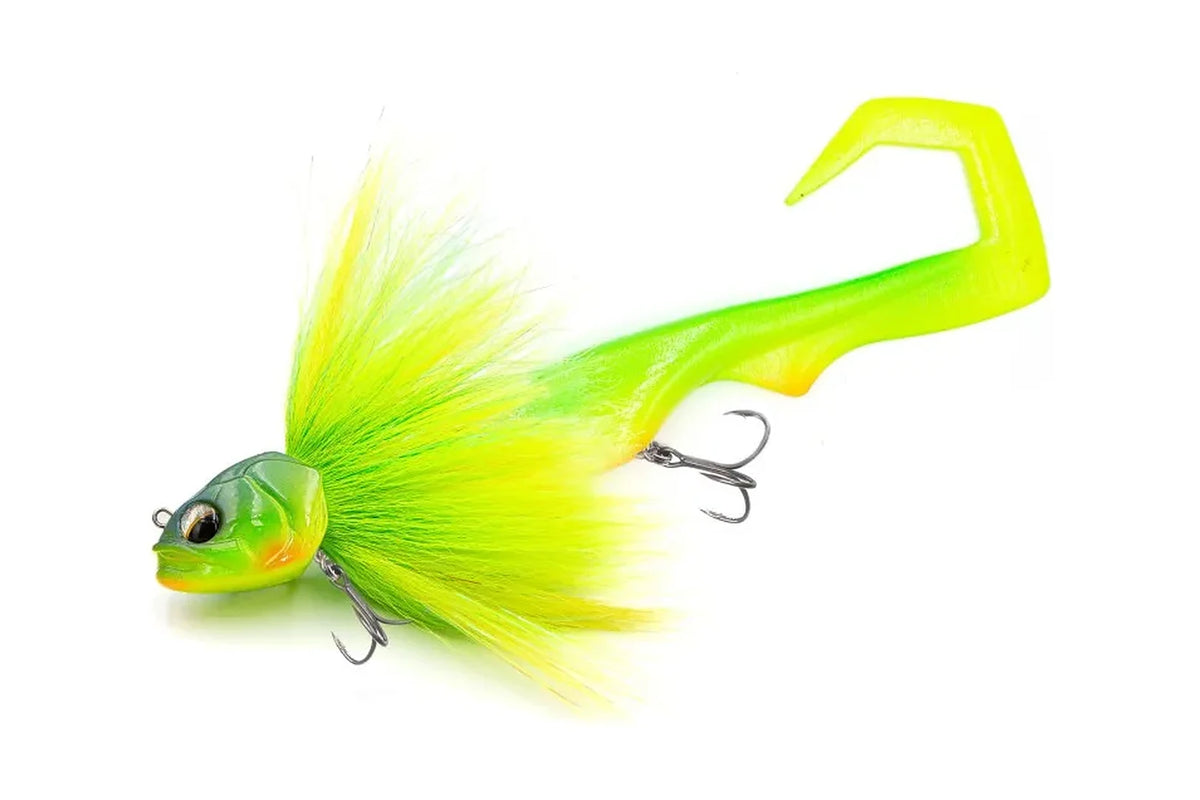
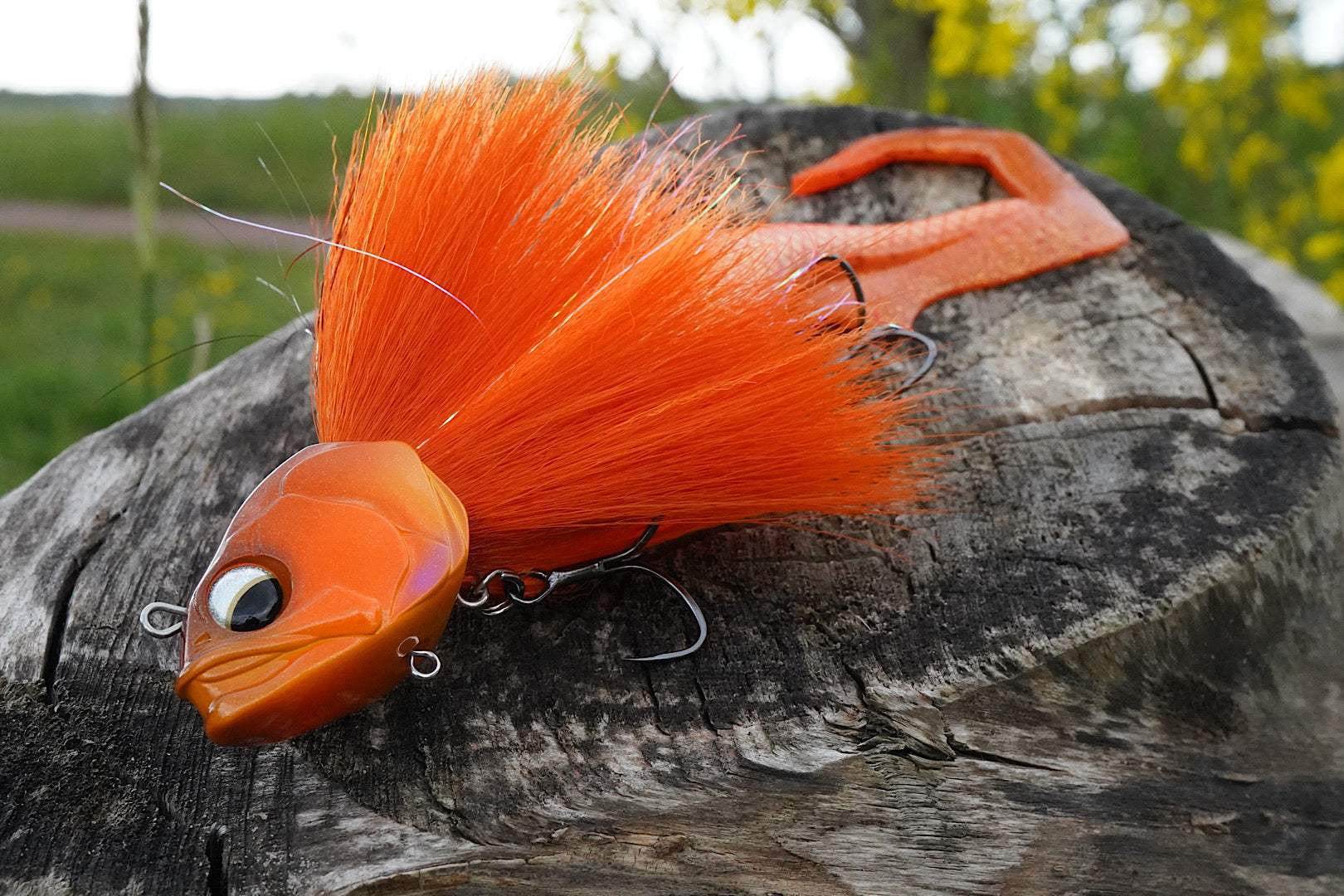
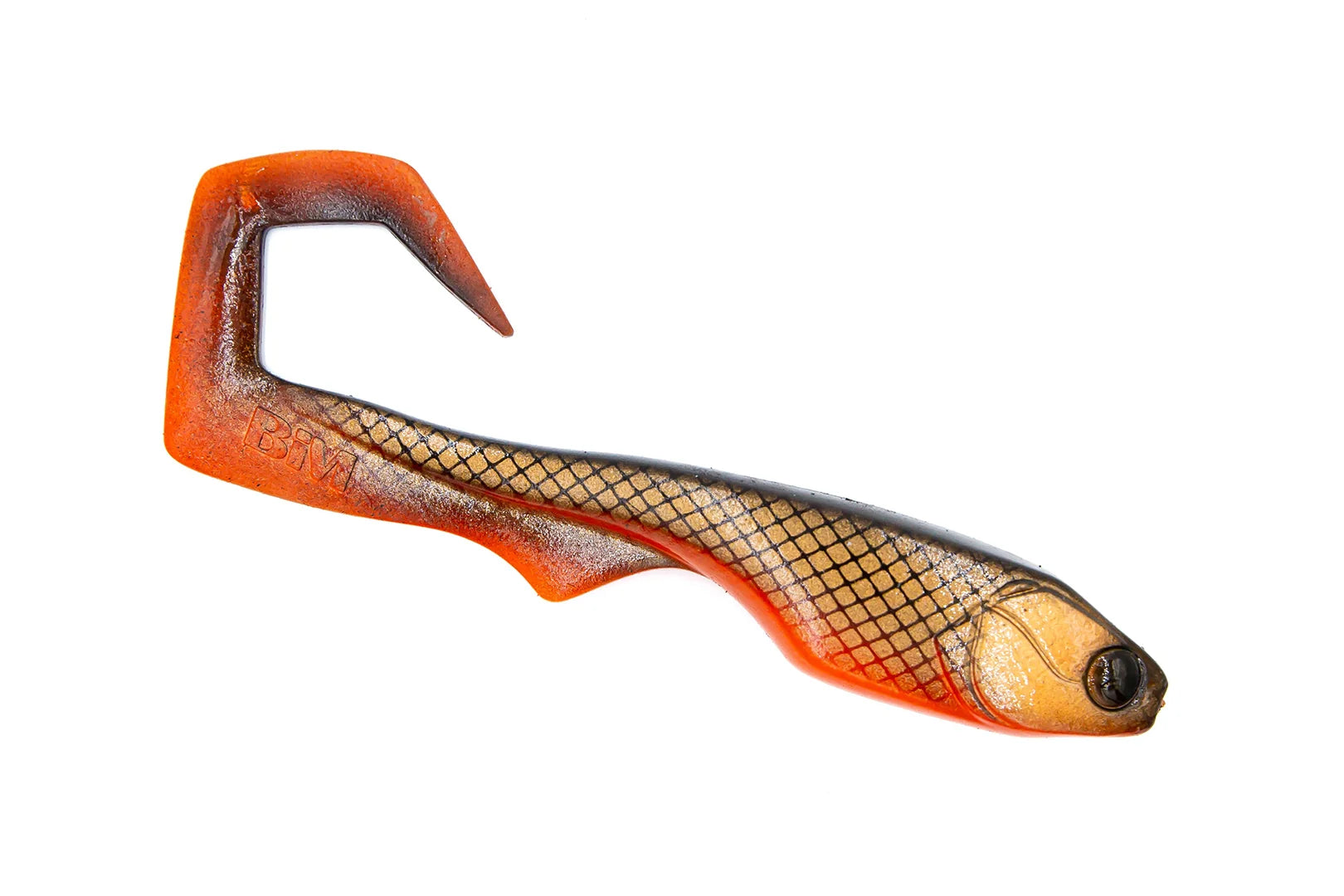
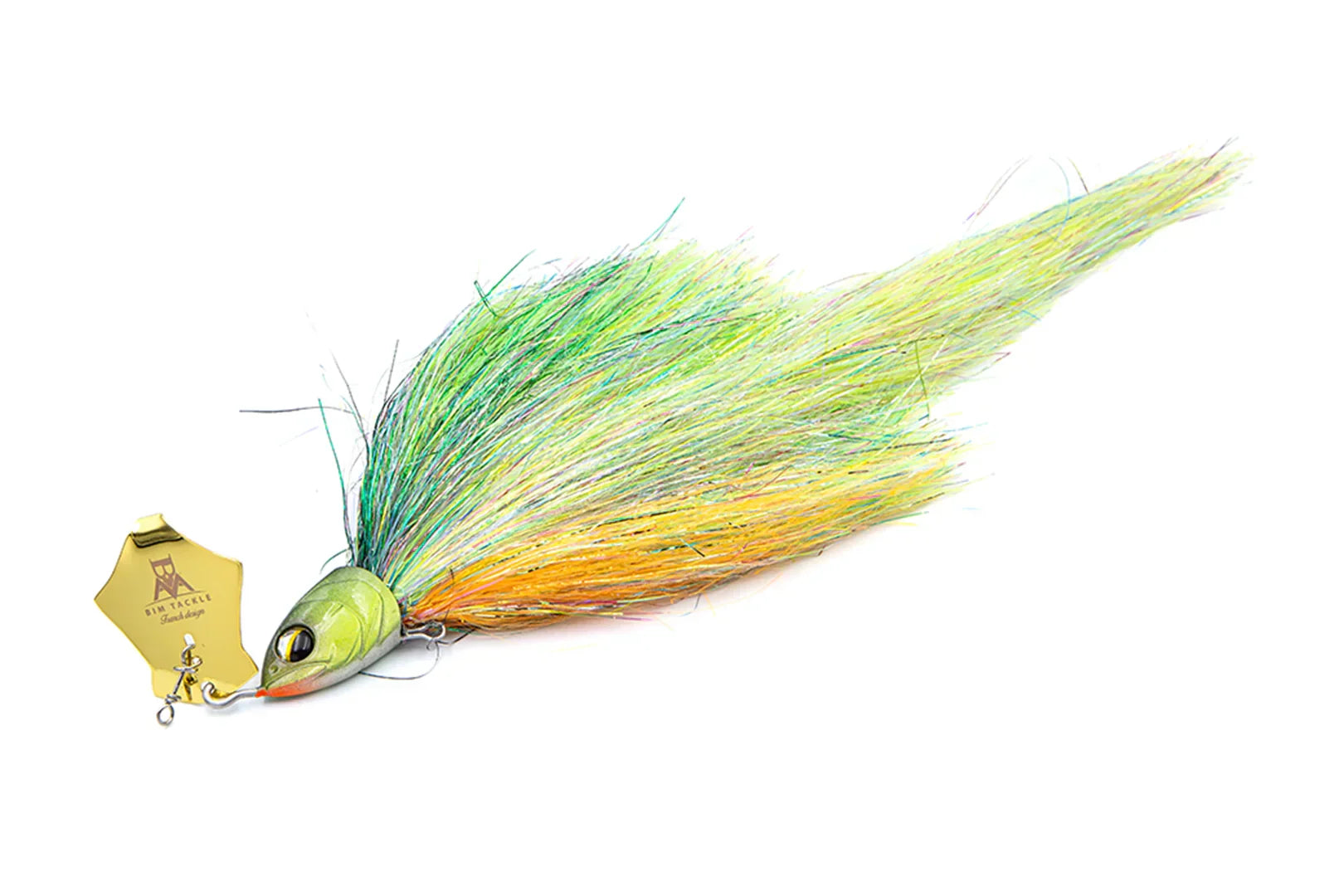
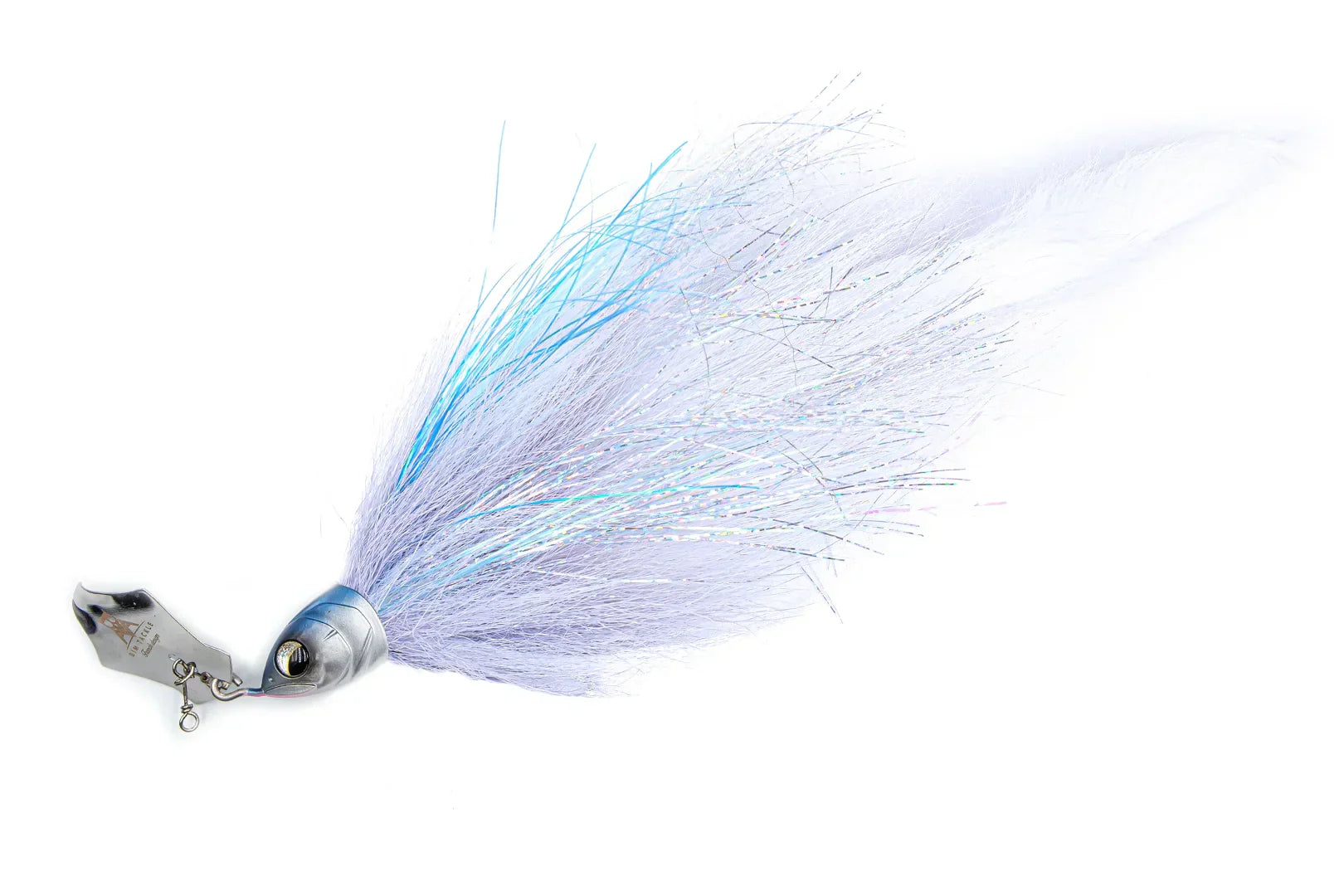
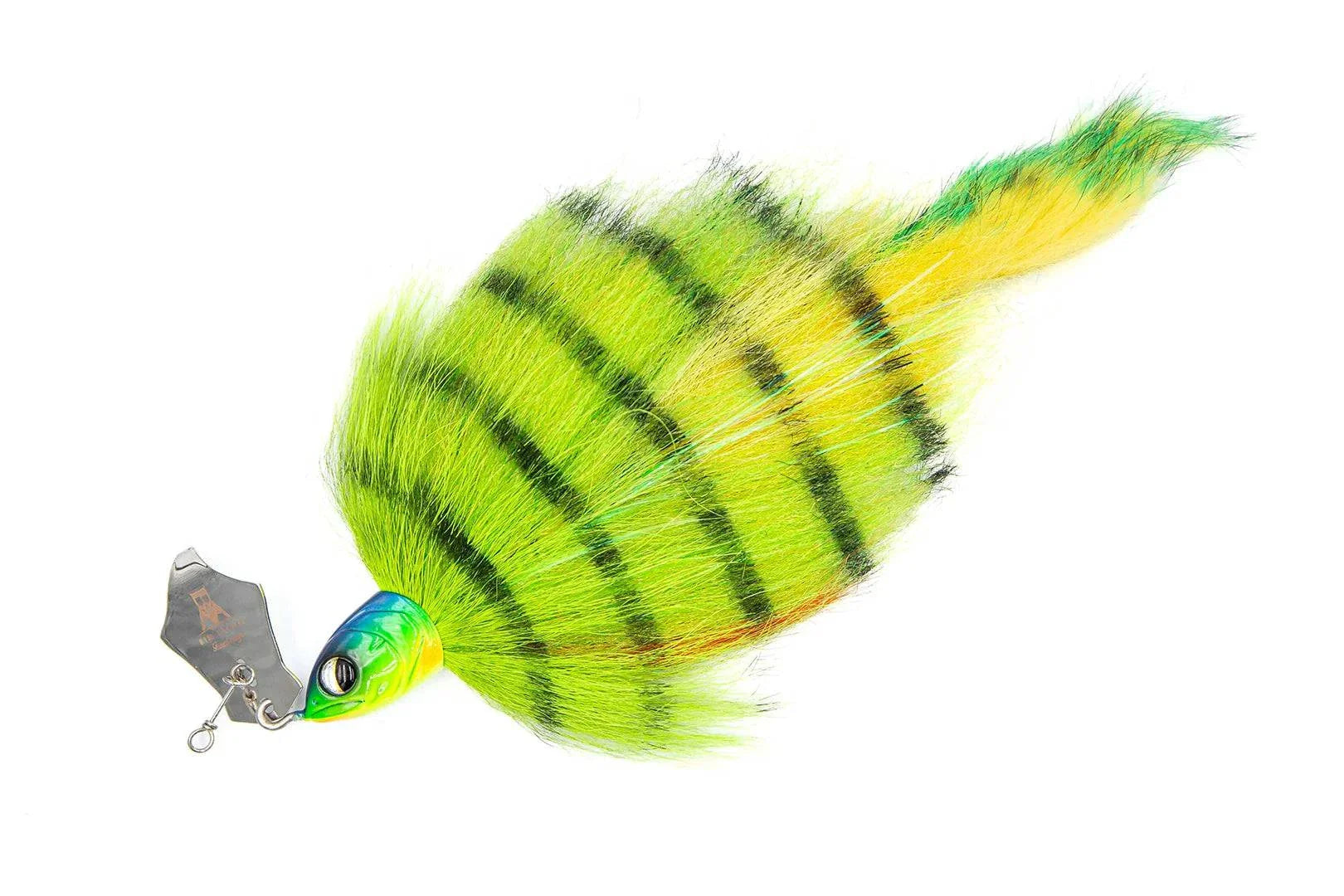
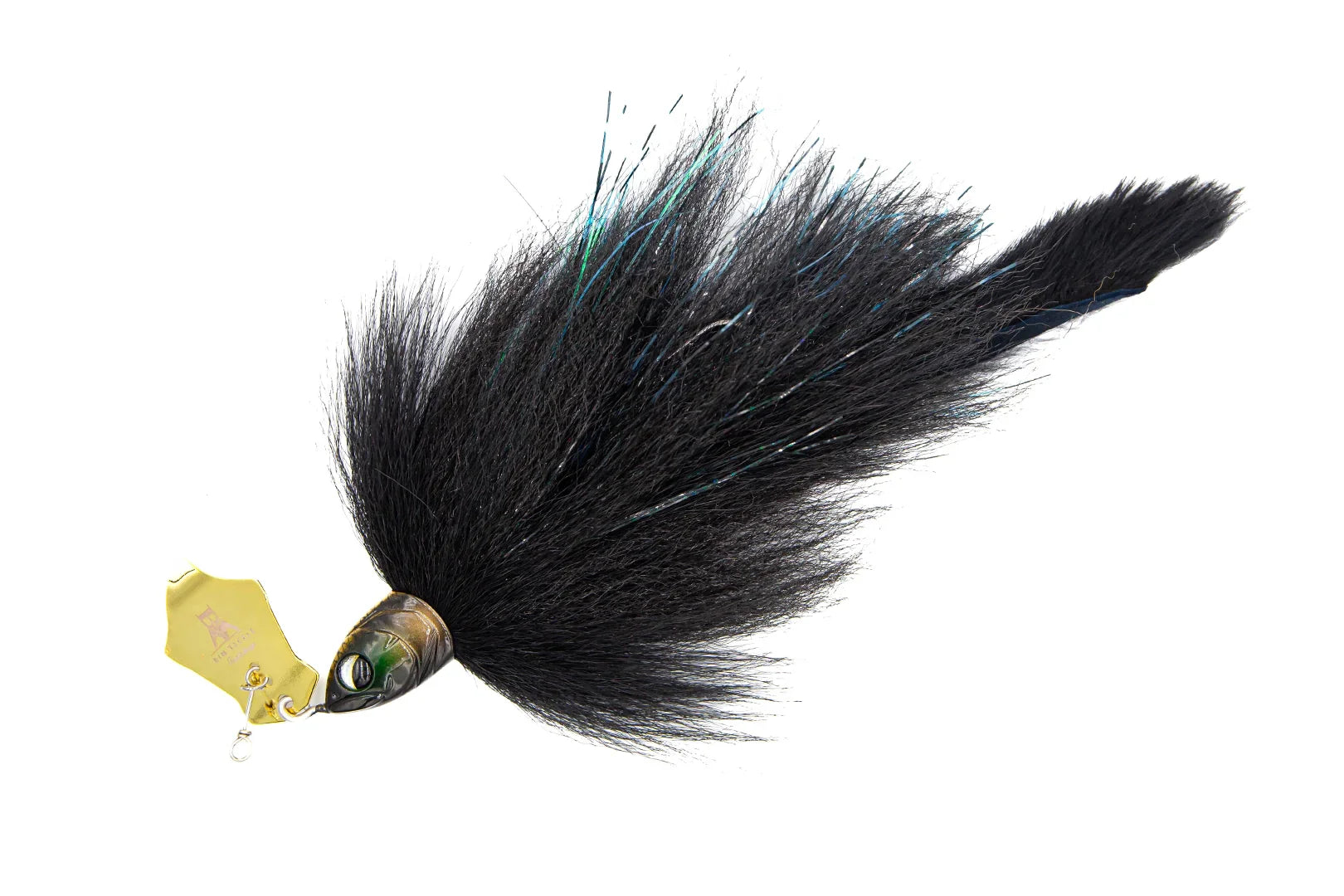
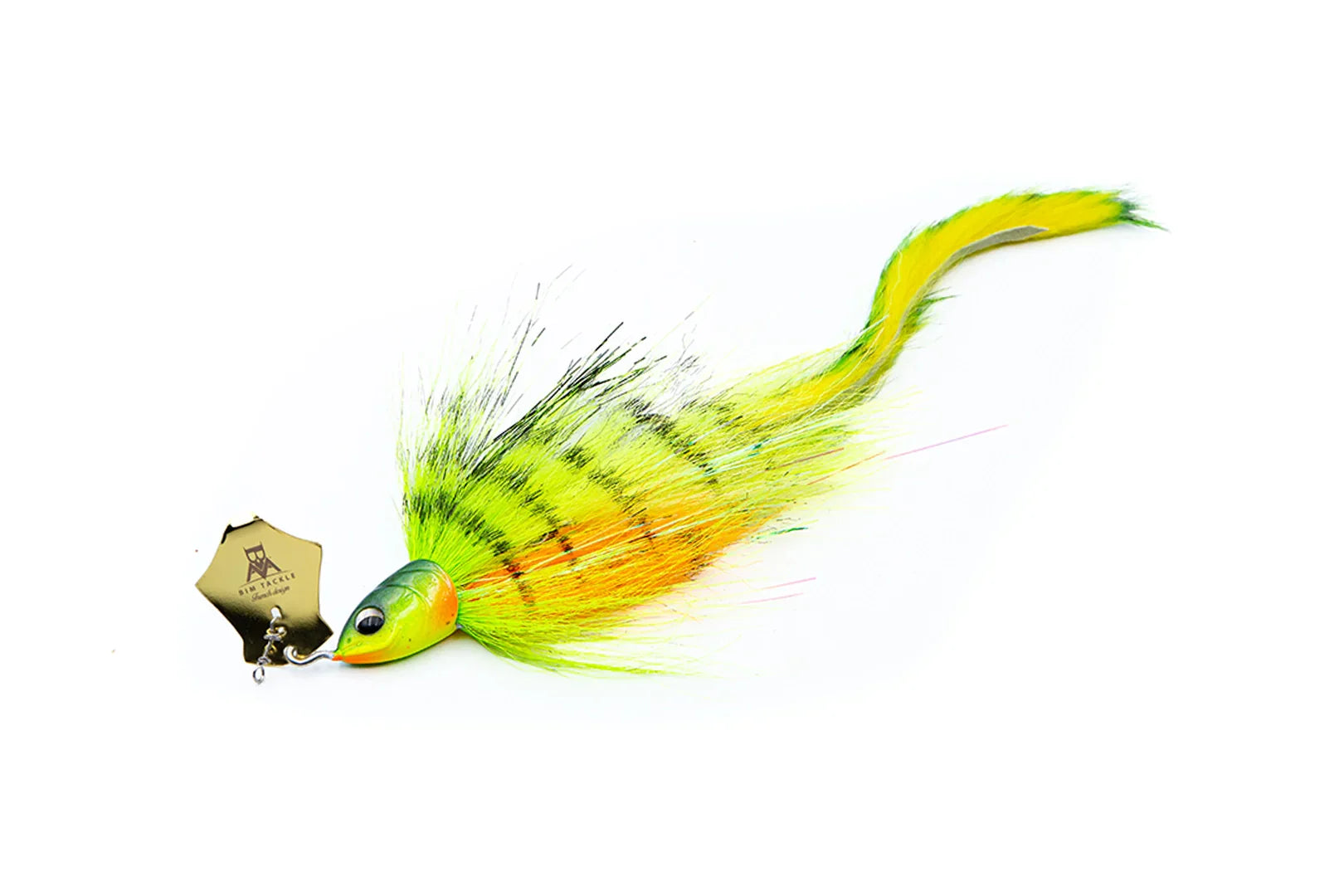
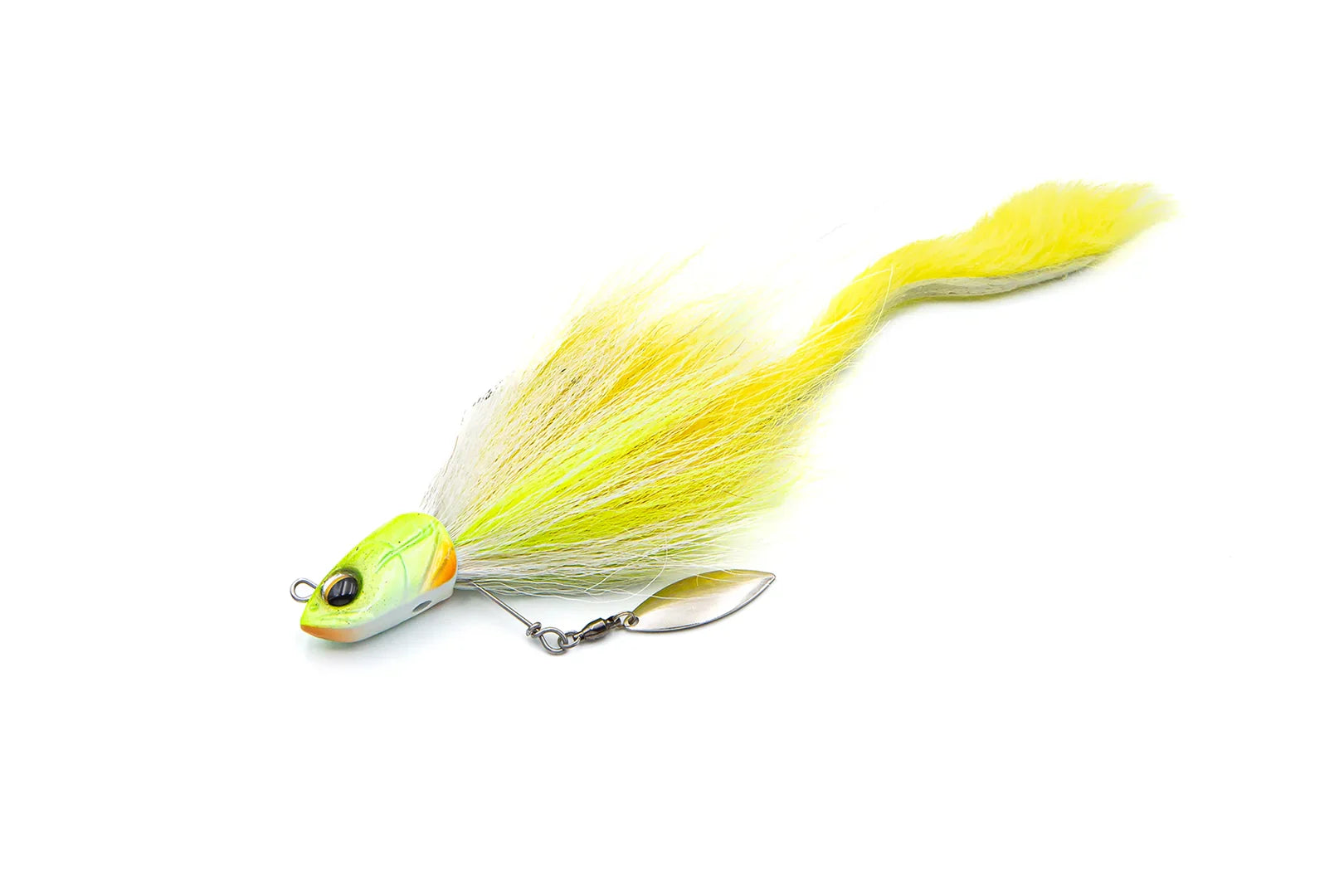
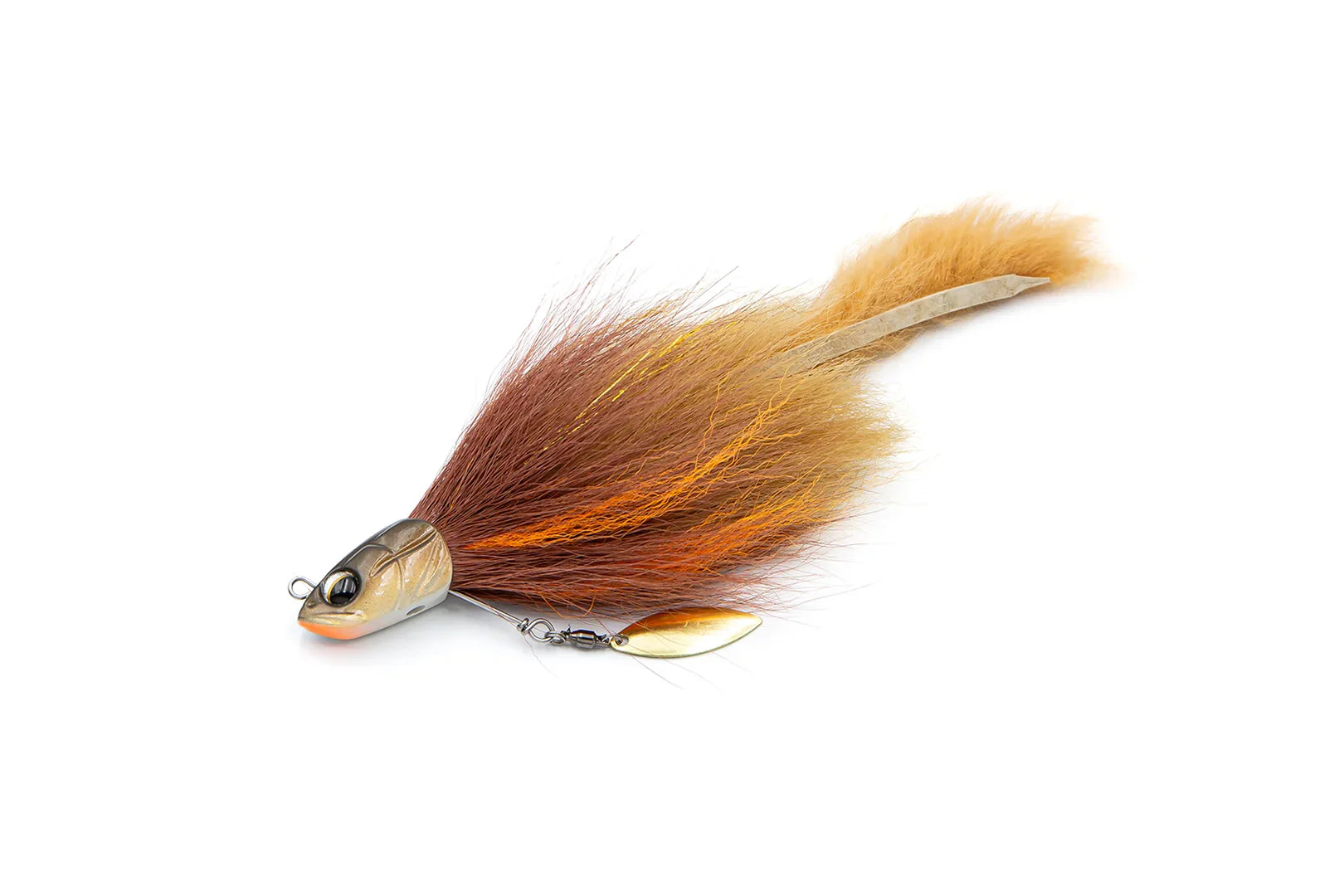
The Strike Pro Guppie (13.5 cm body, 22 cm with tail, 120 g, sinking, 1.5 to 3 m) is the classic pull bait in our range. The compact, convex body keeps the two 2/0 trebles exposed for a clean hook-up, the body profile adds flash and belly roll, and a spring screw at the tail lets you swap the tail type to change the action. It is lead free and sinks, so you count it down and fish it with long pulls and pauses along deep edges, or crank and stop it over a drop-off. Savage Gear's hybrid jerkbaits combine a hard body with a replaceable soft tail. The Savage Gear Deviator Tail 16,5 cm (48 g) swims a wide S-curve with a kicking tail and stays stable even at a slow retrieve, which makes it a good first hybrid for weed beds, structure and open water. The Savage Gear Deviator Tail 20 cm (87 g, slow sinking) adds a bigger profile and a wide body roll for covering water and for big pike in autumn. The Savage Gear 3D Hybrid Pike 17 cm (47 g, slow sinking) is a 3D-scanned copy of a young pike with a soft tail that pulses at any speed; pike eat pike, and this one is also fished on the troll. Because the tails on these lures are soft, keep a spare tail in your box and check it after every fish. More Savage Gear advice in Savage Gear Lures: the best baits explained.
Compact and Japanese jerkbaits for pressured water
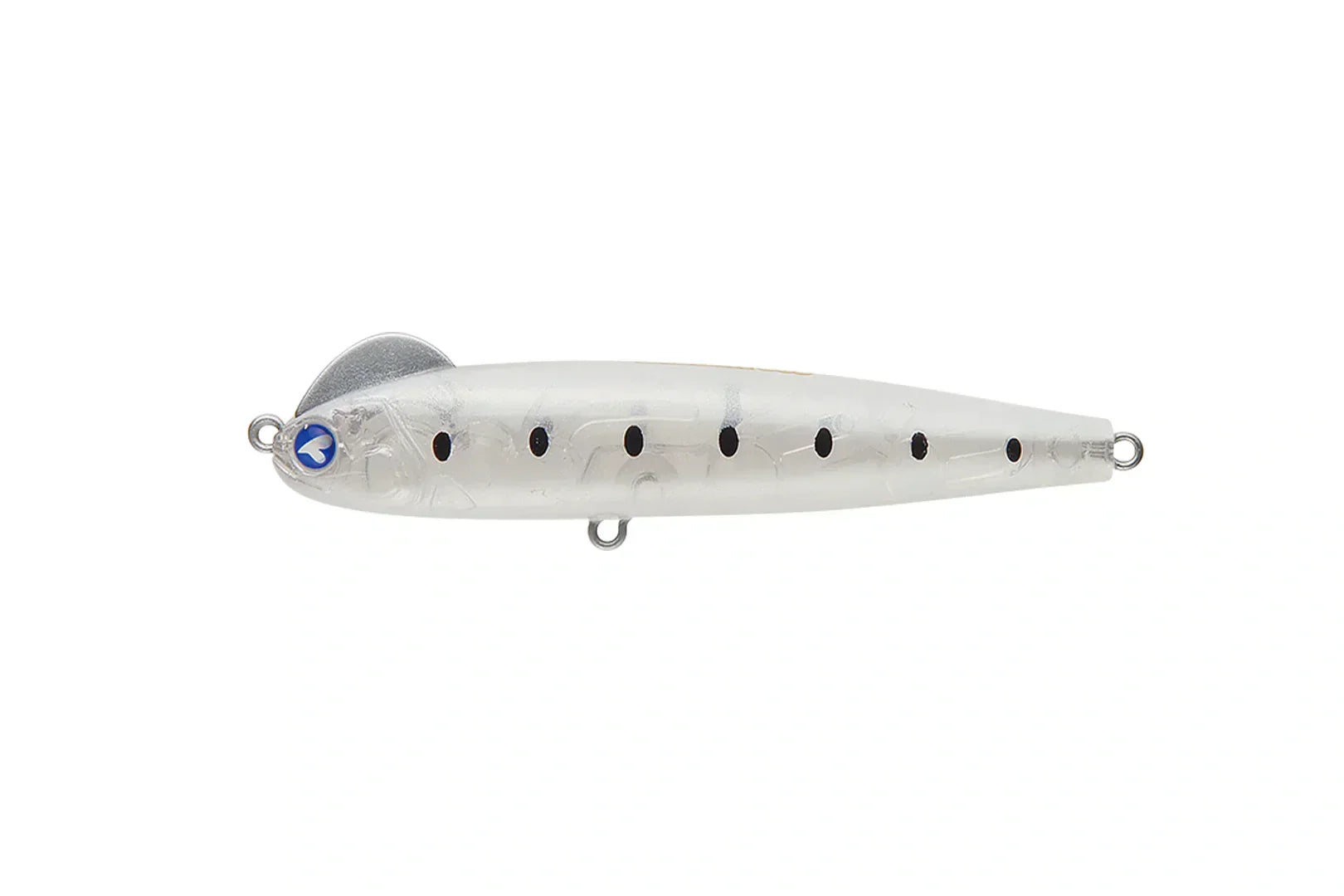
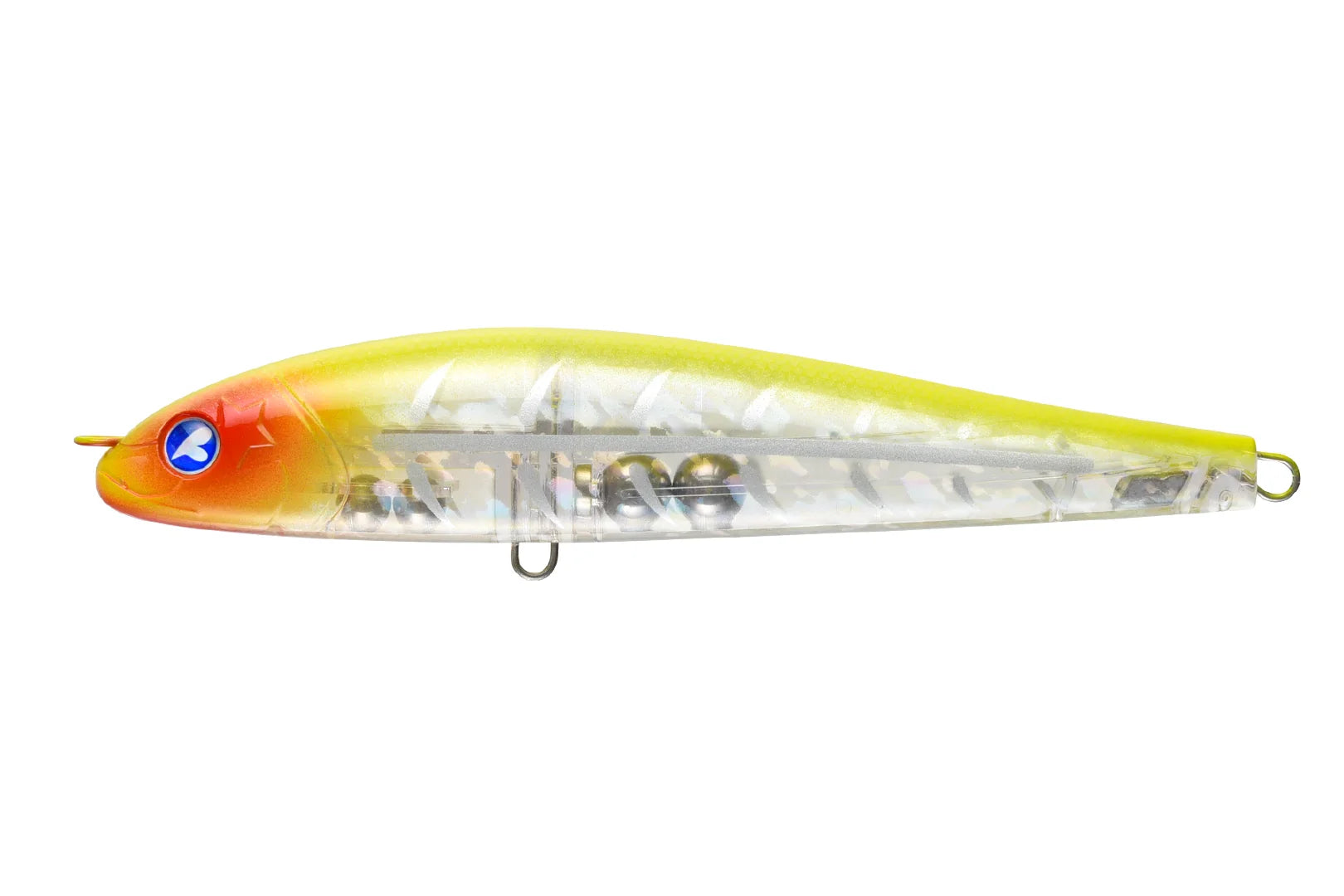
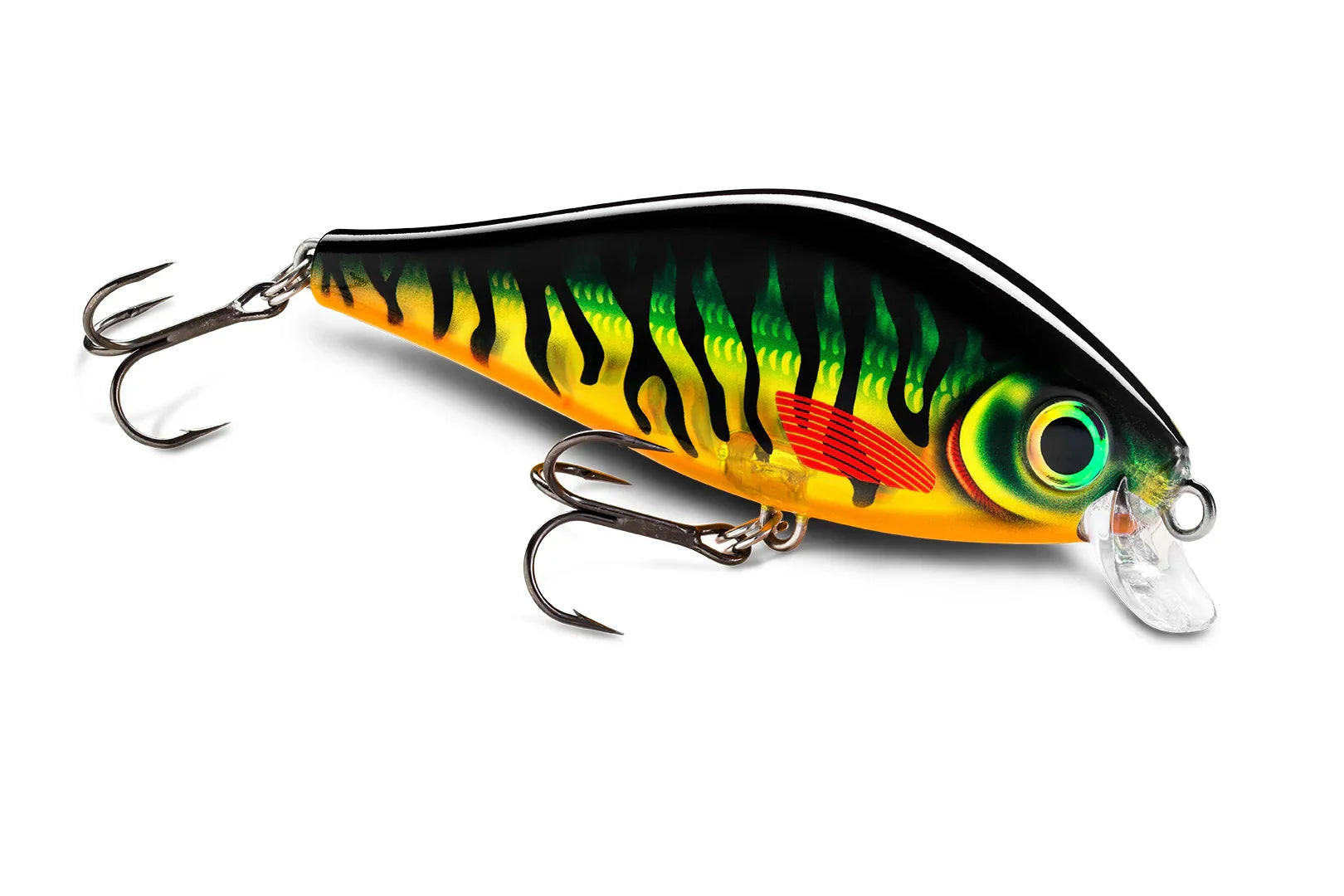
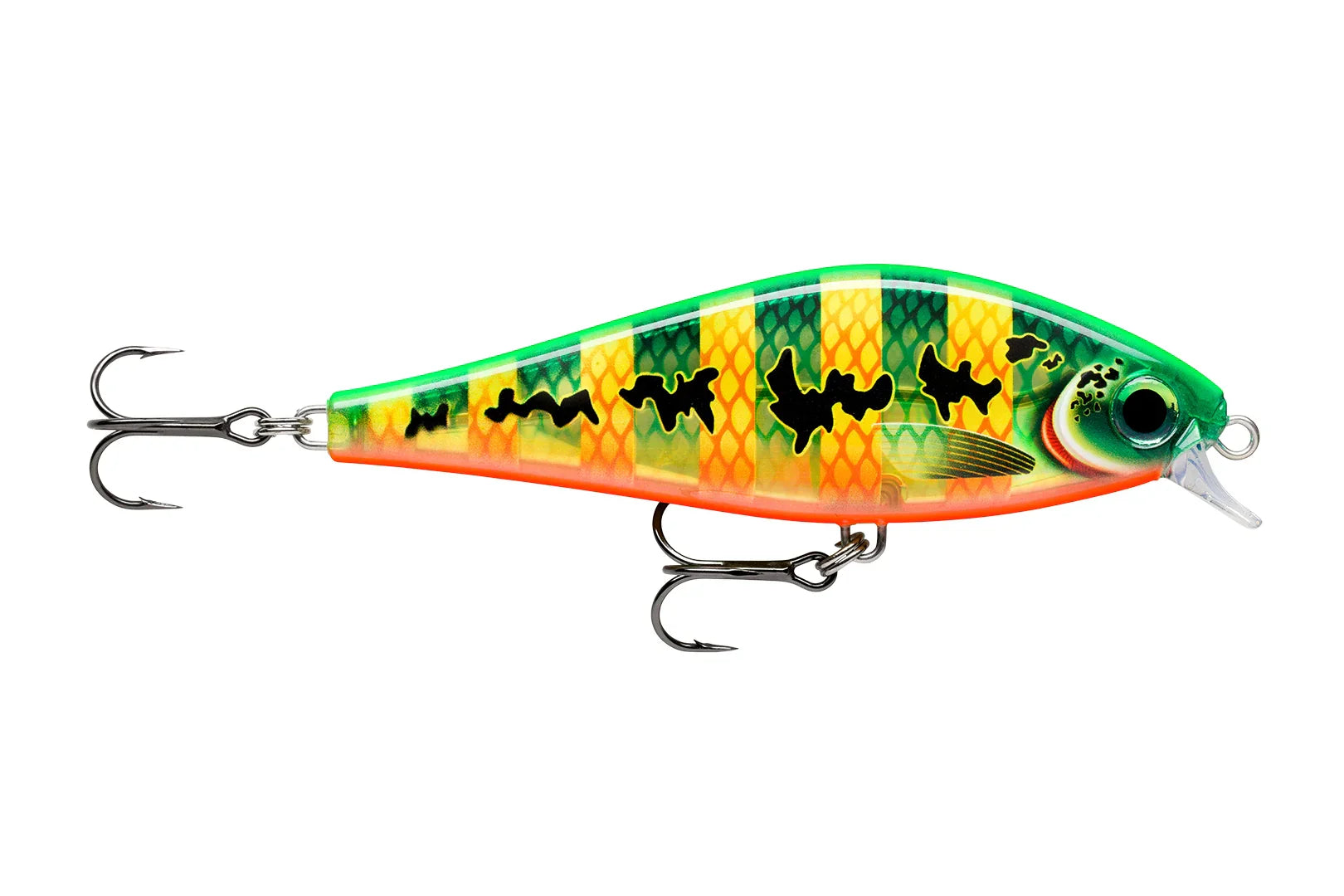
Not every jerkbait needs a big bait rod. The Rapala Super Shadow Rap 11 (11 cm, 38 g, slow sinking, 0.9 to 1.2 m) is a tall, heavy jerkbait that kicks hard to the side on a sharp snap of the rod and then fades away, sinking slowly in a horizontal position like a dying baitfish. It has a two-part plastic body with an integrated lip, VMC Coastal Black trebles in size 1 and enough weight to cast into a headwind, and it fishes on an ordinary medium heavy lure rod for pike and zander. The BlueBlue Snecon 150S (15 cm, 40 g, sinking) is a Japanese design with a stepped head and free-moving weight balls that make it swim an ultra-wide, unpredictable S-curve on nothing more than a straight retrieve; on still water you fish it stop-and-go or with short twitches for darts just under the surface, and the through-wire frame and two trebles handle big pike as well as zander and sea bass. The BlueBlue Snecon 90s (9 cm, 15 g, sinking) is the compact version with two line eyes for a tighter or wider action, a small jerkbait for perch, zander and pike on light tackle. The BlueBlue Force Guile 160F (16 cm, 50 g, floating) is a diving pencil that swims a wide serpentine track just under the surface on a plain retrieve: long jerks make it bob under the surface with strong waves, short jerks give a quick S-action. It comes without hooks; BlueBlue recommends 2/0 trebles on #5 split rings, and the VMC UV Hooks Orange Round Treble in 2/0 is the treble its product page names. How these Japanese lures did on Dutch water is in BlueBlue Fishing Japan: four lures we tested in Dutch waters. For lipped minnows that are twitched, see Crankbaits & Twitchbaits.
Floating, slow sinking or sinking: which jerkbait for which depth?
Because a jerkbait has no lip, its buoyancy decides where it fishes. A floating jerkbait such as the Force Guile 160F stays in the top half metre, backs away from weed on the pause and is the lure for shallow bays, reed beds and summer evenings. A slow sinking jerkbait (Low Glider Jerk, Deviator Tail 20 cm, 3D Hybrid Pike, Super Shadow Rap 11) sinks a few centimetres per second, so it hangs almost still on the pause and fishes the 1 to 2 m layer where most pike hunt; this is the most versatile setting and the one to buy first. A sinking jerkbait (Guppie, Snecon) goes down faster and is counted down: count the seconds on the first cast until you feel the bottom, then start the retrieve a few counts earlier on the next cast and you fish just above the bottom along a deep edge or a channel. Cold water makes every lure float a little more and braid lifts the lure on a long cast, so a slow sinker fishes shallower in winter than in summer. If you want to make a floating or slow sinking jerkbait run deeper, add a small clip-on or stick-on weight close to the belly hook, in small steps so the lure keeps its action and still hangs horizontally on the pause. The Pike Hardbaits page explains running depths for lipped lures and weights in more detail.
Jerkbait rods, baitcasters and line
A jerkbait is fished with the rod, so the rod matters more than for any other lure. For jerkbaits of 60 to 120 g you want a short, stiff jerkbait rod of 1.80 to 2.10 m with a casting weight that covers the lure, a fast action and a short handle so the tip can be worked downwards with the wrist. A baitcaster is the standard reel for this: it sits on top of the rod, lets you give slack line and take it back with a thumb on the spool, and winds the heavy lure in without twisting the line. The Abu Garcia Revo VoltiQ X Low Profile Reel (215 g, 6.7:1, 9.1 kg drag) has an electronic braking system that adjusts itself during the cast, which makes it an easy first baitcaster for jerkbaits and swimbaits, also in wind. The 13 Fishing Concept A2 Left Hand (211 g, 11 kg drag) is a compact low-profile baitcaster with hardened brass gears for crankbaits, jerkbaits and medium softbaits. For the lighter jerkbaits on this page, the Super Shadow Rap 11, the Snecon 90s and 150S and the Deviator Tail 16,5 cm, a spinning rod such as the 13 Fishing Omen Black Spin 15-40g (216 cm, 15 to 40 g) with a 3000 or 4000 fixed spool reel works fine. Spool up with a braid of 0.20 to 0.30 mm for the big jerkbaits and 0.14 to 0.18 mm for the compact ones: braid has no stretch, so every tap of the rod reaches the lure. See Rods and Reels and Lines and Leaders.
Wire traces and trebles for jerkbaits
Jerkbaits are pike lures, and pike have teeth, so always fish a wire or titanium trace. For jerkbaits a stiff, single-strand titanium trace is the best choice: it does not kink, it does not tangle in the trebles when the lure turns on a slack line, and it keeps the action clean. The VMC Titanium Jerk Leader (30 cm, 34 kg, Pike Snap #3) was made for exactly this. The VMC Titanium Pike Leader (30 or 50 cm, 18 kg, 1x7 strand, Duolock Snap #2) is the all-round titanium trace for the lighter jerkbaits, and the BKK 7x7 Wire Leader HD (40 cm) is a supple 7x7 steel trace for swimbaits and jerkbaits that need to swing freely. Connect the trace with a strong snap and check the trebles after every session: a jerkbait that stops short on the pull hits the trebles against each other and against the body, and a bent or blunt point costs you the fish that only nips the lure on the pause. Replace a treble with the same size and a similar wire weight, so the buoyancy of the lure does not change; the VMC UV Hooks Orange Round Treble comes in sizes 8 to 3/0. Everything else is in Hooks and Rigs and Lines and Leaders.
Jerkbaits through the seasons
In spring, when the water is still cold and the pike season opens, pike sit in shallow, warming bays. A slow sinking glider of 12 to 15 cm, fished with long pauses, such as the Deviator Swim or the Low Glider Jerk 14.5 cm, is a good start, and the Super Shadow Rap 11 covers the same water on lighter tackle. In summer pike move to weed beds and the shade, and a floating or shallow-running jerkbait fished faster, the Force Guile 160F or the Snecon 150S, triggers active fish; early mornings and evenings are the moments. Autumn is jerkbait season: pike feed hard on big prey before winter, and this is when the Low Glider Jerk 17 cm, the Deviator Tail 20 cm and the Guppie come out, fished along drop-offs and in open water with a baitcaster. In winter the fish are deep and slow, so count a Guppie or a 3D Hybrid Pike down to the bottom edge and fish it with short pulls and pauses of five seconds and more; most takes come on the pause and feel like a soft weight. Check the closed season for pike and lures in your country before you go. Our year-round guide is The best pike lures for every season: a complete year-round guide, and for the full pike range see Pike.
Which jerkbait for which situation
• First jerkbait for pike: Savage Gear Low Glider Jerk 14.5 cm, slow sinking, fished with short taps and pauses.
• Big pike in autumn and on hard-fished water: Low Glider Jerk 17 cm, Deviator Tail 20 cm or Strike Pro Guppie.
• Deep edges, channels and cold water: Guppie counted down and fished with long pulls, or the 3D Hybrid Pike 17 cm slow and deep.
• Shallow bays, weed beds and summer evenings: Force Guile 160F just under the surface.
• Pike that follow but will not take in clear water: Deviator Swim or Super Shadow Rap 11 with long pauses.
• No baitcaster yet: Super Shadow Rap 11, Snecon 90s or 150S and Deviator Tail 16,5 cm on a medium heavy spinning rod.
• Zander and perch with the pike: Snecon 90s, Snecon 150S or Deviator Swim.
• Sea bass in current: Snecon 150S on a straight retrieve. See also Zander, Perch and Seabass.
Why buy jerkbaits at Charlie's Fishing
We stock the jerkbaits for pike that we would pick ourselves, from Savage Gear Lures, Strike Pro, BlueBlue Fishing and Rapala, with the titanium traces, trebles and baitcasters from VMC, BKK Hooks, Abu Garcia and 13 Fishing to fish them properly. Everything ships from our own stock in the Netherlands with fast delivery across Europe. Tell us which water you fish and which rod you have, and we are happy to say which jerkbait and which sink rate to start with.
What is the best jerkbait for pike?
A slow sinking glider of 14 to 17 cm, such as the Savage Gear Low Glider Jerk, is the best all-round jerkbait for pike: it fishes the 1 to 2 m layer where most pike hunt, works with short taps and pauses, and casts well on a baitcaster. Add a pull bait such as the Strike Pro Guppie for deep edges and cold water, and a compact model such as the Rapala Super Shadow Rap 11 for clear, pressured water.
What rod and reel do you need for jerkbaits?
For jerkbaits of 60 to 120 g, a short and stiff jerkbait rod of 1.80 to 2.10 m with a casting weight that covers the lure, a baitcaster such as the Abu Garcia Revo VoltiQ X and a braid of 0.20 to 0.30 mm. Jerkbaits under 50 g, such as the Super Shadow Rap 11 or the Snecon 150S, fish fine on a medium heavy spinning rod of 15 to 40 g with a 3000 or 4000 reel.
What is the difference between a pull bait and a glide jerkbait?
A pull bait, such as the Strike Pro Guppie, has a deep body and a soft tail; a long pull makes it dive and kick, and it rises or sinks back on the pause. A glide jerkbait, such as the Savage Gear Low Glider Jerk, is balanced to slide left and right on short twitches and often swims an S-curve on a steady retrieve. Pull baits suit deep, cold water; gliders cover water in the upper layers.